Business & Finance
Coal India, ReNew, and Two Firms Receive Initial Approval for Rare Earth Magnet Projects
By Manas Pimpalkhare, Rituraj Baruah
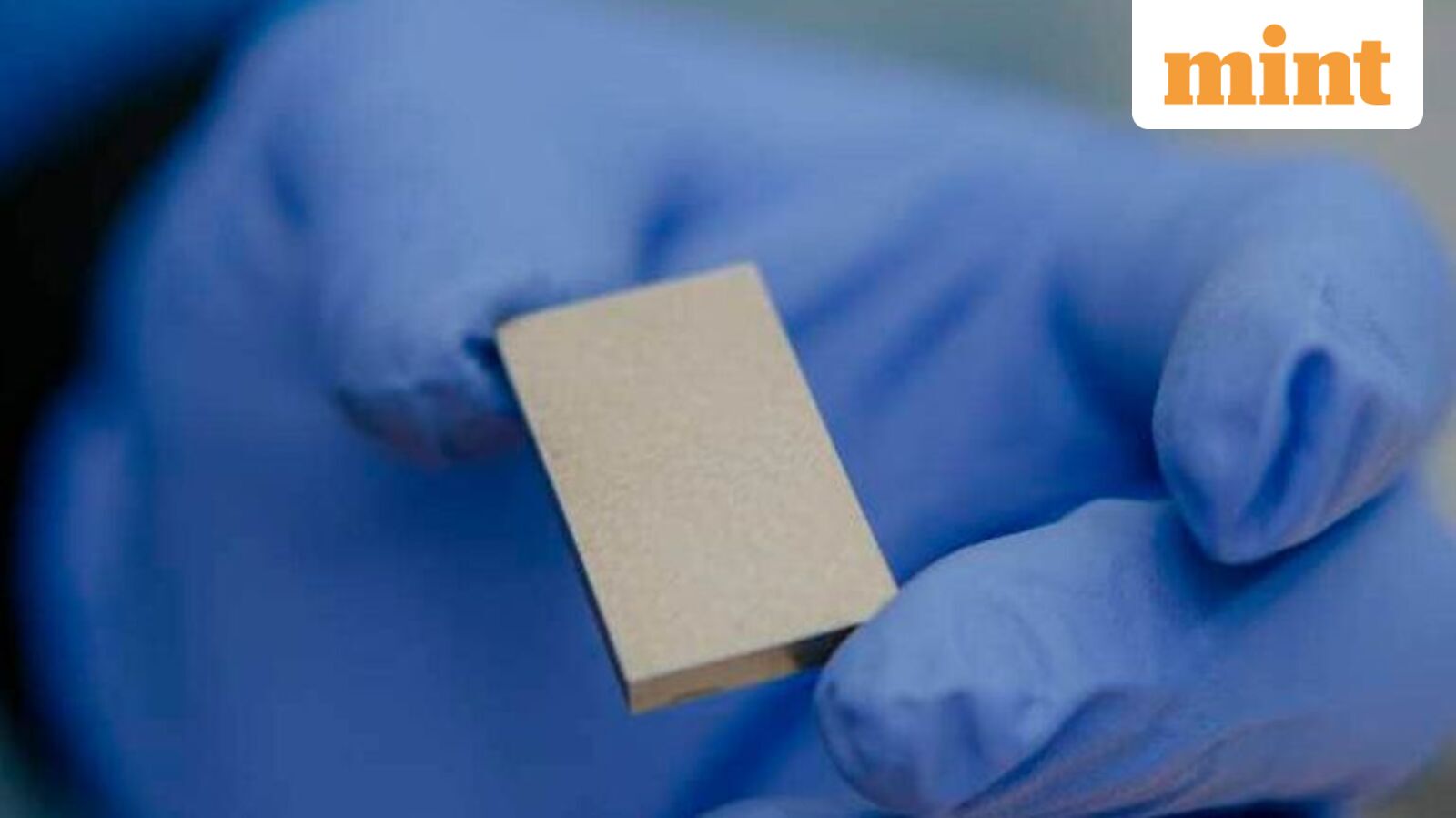
Coal India Ltd, ReNew Pvt Ltd, Prozeal Green Energy Ltd and Midwest Energy Ltd have received initial approvals to establish rare earth magnet manufacturing plants under the government’s ₹7,280‑crore incentive scheme. The approvals aim to reduce India’s reliance on imports of critical components after China’s export curbs last year disrupted sectors such as automobiles, electronics, defence and renewable energy.
Heavy Industries Minister H.D. Kumaraswamy announced the approvals on X, noting that the initiative will strengthen domestic manufacturing, reduce import dependence, enhance supply‑chain resilience and support the vision of Aatmanirbhar Bharat. He said the review of the scheme’s industry preparedness and capability assessment was conducted with Minister of State for Heavy Industries Bhupathiraju Srinivasa Verma.
The Union Cabinet approved the scheme in November 2025, six months after China tightened exports of rare earth magnets. Mint had reported in October last year that Midwest had expressed interest in producing magnets under the scheme.
Coal India, as the lead member of a consortium with the Non‑Ferrous Materials Technology Development Centre (NFTDC), has been declared the L2 bidder. It has secured a contract to set up a sintered rare earth permanent magnet (NdFeB) manufacturing facility through a special purpose vehicle under the scheme. The contract covers a production capacity of 1,200 tonnes per annum.
Under the government tender, qualified companies that establish a performance guarantee and meet required compliances will receive a letter of award, completing their status as beneficiaries of the scheme.
The scheme focuses on midstream processing of rare earth raw material found in India’s monazite deposits along the coast into usable magnets. India has upstream capabilities in mining, separation and oxide refining but lacks industrial‑scale midstream facilities, forcing manufacturers to import magnets. The notification set a target of 6,000 tonnes of magnets per year.
State‑run IREL, India’s sole miner and processor of rare earth materials to oxides, can produce about 400 tonnes of rare earth oxides annually, enough to manufacture roughly 1,200 tonnes of magnets. With a stockpile of about 500 tonnes of oxides, IREL can support the production of around 1,500 tonnes of magnets.
The government plans to support the establishment of five magnet‑making plants over two years, followed by sales‑based incentives for five years. Each bidder may bid for a capacity of 600–1,200 tonnes per annum. The scheme will provide assured limited supply of rare earth oxides from IREL to the three lowest bidders: 200 tonnes to the top bidder, 167 tonnes to the second, and 133 tonnes to the third.
International rare earth oxide suppliers such as Australia’s Lynas Rare Earths, Iluka Rare Earths and London Stock Exchange‑listed Rainbow Rare Earths have shown interest in long‑term supply contracts with Indian processing companies to ensure continuous supply of rare earth oxides.