India
Free Entry to All ASI Monuments on World Heritage Week Opening Day
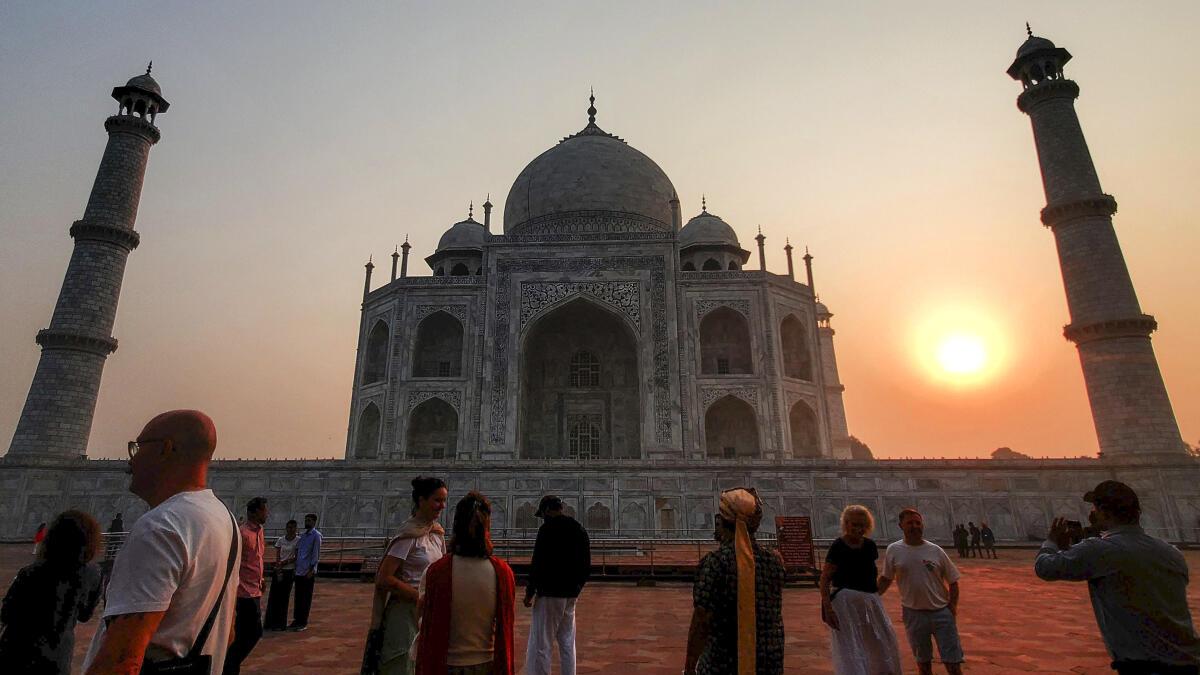
The Archaeological Survey of India (ASI) announced that entry to all centrally protected monuments in Agra, including the Taj Mahal, Agra Fort and Fatehpur Sikri, will be free on November 19, 2026, the opening day of World Heritage Week, which runs from November 19 to 25. The ASI has waived entry fees at all centrally protected monuments and archaeological sites across the country on that day to promote awareness of heritage conservation. The ASI protects more than 3,800 monuments and sites nationwide, of which 143 are ticketed, such as the Taj Mahal, the Red Fort and Qutub Minar. PIB Culture posted on X: “Celebrate India’s rich heritage! On November 19, 2026, mark World Heritage Week with free entry to all ASI monuments. Explore magnificent monuments, discover stories from India’s past and experience the enduring legacy of the country’s cultural heritage.” Superintending Archaeologist Smita Kumar said domestic and foreign tourists would be granted free entry to all monuments in Agra on November 19, but visitors would still pay the prescribed fee of ₹200 to access the main mausoleum of the Taj Mahal. The additional charge for the main mausoleum was introduced to aid conservation efforts and improve crowd management. The Taj Mahal, one of the seven wonders of the world, was commissioned in 1632 by Mughal emperor Shah Jahan in memory of his wife Mumtaz Mahal and was designated a UNESCO World Heritage Site in 1983. Located on the right bank of the Yamuna River, the Agra Fort, also a 1983 World Heritage Site, is the only fort in India that was inhabited by all early Mughal emperors. Mughal‑era monuments such as Fatehpur Sikri, the Taj Mahal and Agra Fort remain India’s most visited tourist sites. During the week, exhibitions will be organised at monuments and competitions will be held for schoolchildren. Officials also announced that CCTV cameras, including 360‑degree surveillance cameras, would be installed at vulnerable and blind spots within the Taj Mahal complex to strengthen security monitoring. Colour‑coded identity cards will be issued to tourist guides to facilitate easier identification. (With Agency inputs)