India
Three-Member Subcommittee to Review Impact of 1720‑MW Kamala Hydroelectric Project
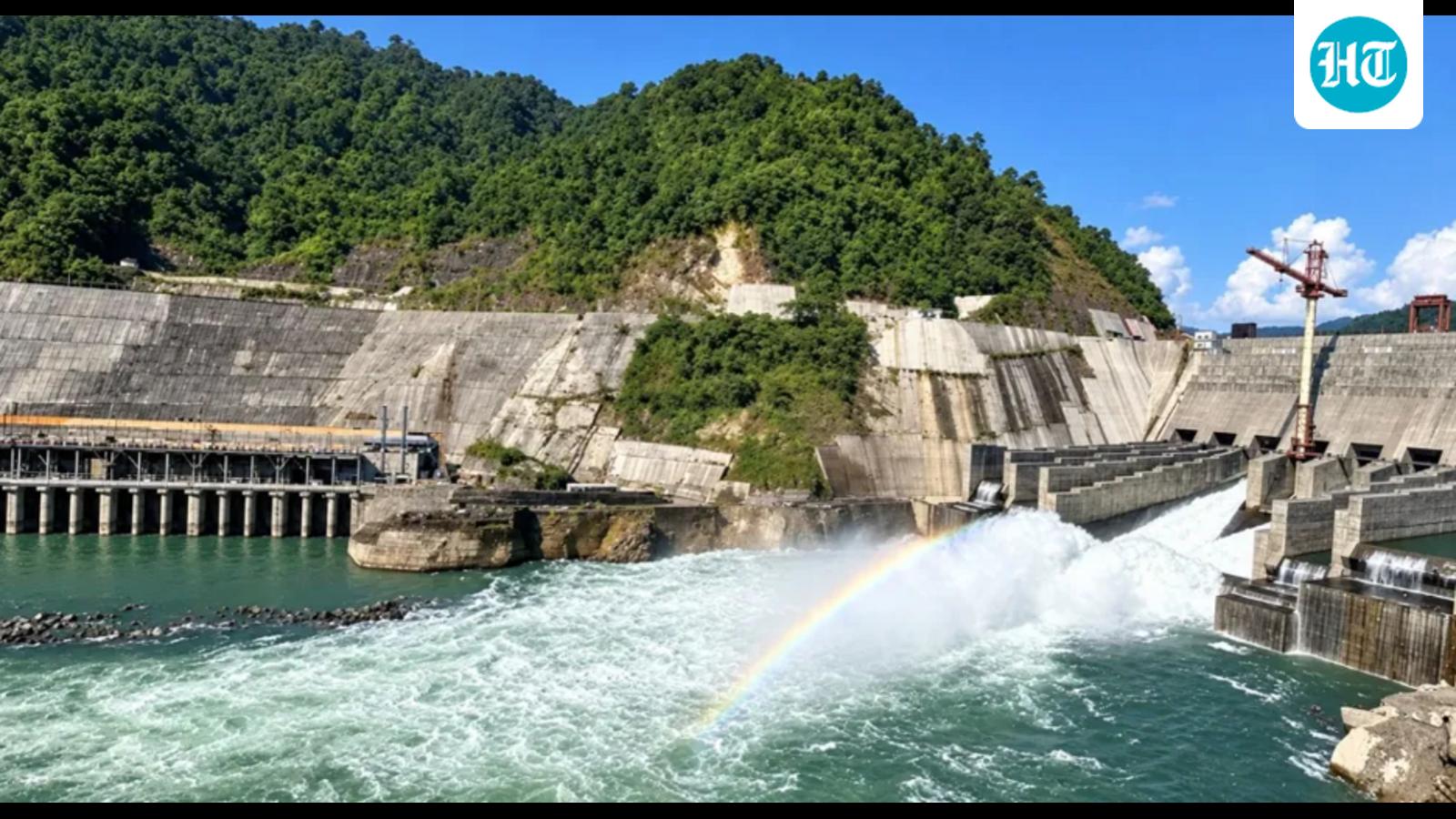
The Forest Advisory Committee (FAC), the statutory body under the Union environment ministry that evaluates proposals to divert forest land, has formed a three‑member sub‑committee to study the scale and potential implications of the 1720‑MW Kamala Hydroelectric Project in Arunachal Pradesh. The project would divert more than 3,200 hectares of unclassified forest land, submerge about 2,665 hectares, and felling 2.34 million trees and bamboo. The proposed felling includes 1.508 million trees in the Hapoli forest division and 831,897 trees in the Kra Daadi forest division; no felling is proposed in the Kumey forest division.
The decision to review the proposal was taken at a FAC meeting on 23 October. The FAC noted that the project involves extensive submergence of forest land, affects a substantial number of trees, and raises significant ecological and socio‑economic concerns. The sub‑committee, comprising FAC members MM Pant and Nityanand Srivastava and scientist Charan Jeet Singh, will conduct a site visit to assess ecological implications, including impacts on forest ecosystems, biodiversity, wildlife habitats and ecological connectivity. It will examine the adequacy of proposed mitigation measures, the component‑wise requirement of forest land, and the feasibility of minimising diversion and submergence. The committee will also assess tree and bamboo loss from submergence and other project components and explore ways to avoid or minimise such loss.
The FAC highlighted the need to focus on local communities. Approximately 1,300 families across six villages on the River Kamala, a major tributary of the Subansiri, are likely to be affected. The user agency has stated that the Rehabilitation and Resettlement plan, once finalised by the District Administration and compliant with statutory requirements, will be furnished to the forest department for further action.
Compensatory afforestation is proposed over 6,698 hectares of degraded forest land outside Arunachal Pradesh, in Madhya Pradesh. This area is more than twice the forest land proposed for diversion. Initially, 115 of 156 sites covering 5,248 hectares were found suitable for afforestation; subsequently, 34 additional sites covering 1,450 hectares of degraded forest land were identified, of which 32 sites were inspected by the Regional Office in Bhopal.