India
Kerala to Evaluate Small Modular Reactors for Long‑Term Energy Security
By Tiki Rajwi
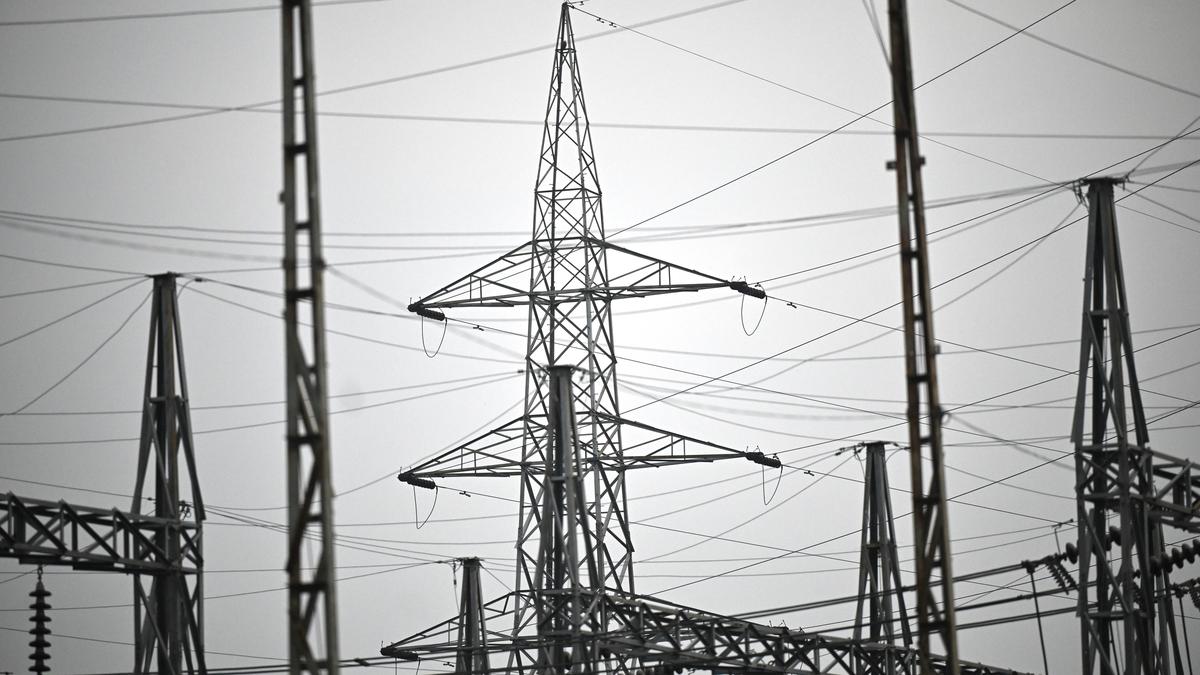
Kerala will examine the use of nuclear energy, including small modular reactors (SMRs), as part of its energy strategy for the 2027‑2032 period, according to the State Planning Board’s Approach Paper for the 15th Five‑Year Plan. The paper states that the State will assess SMRs for feasibility, safety, siting and grid implications, while keeping the option open. It also notes that systematic investment in local battery energy storage systems (BESS), large BESS, pumped storage and modular reactors is the way forward, given that Kerala generates only 25 % of its electricity demand internally. The State’s role will cover siting, grid readiness and engagement, while the Union government will handle the nuclear policy. Green hydrogen and offshore wind will be evaluated on the same basis. The Plan will also promote household and decentralised generation.
SMRs are defined by the International Atomic Energy Agency as reactors with a power capacity of up to 300 MWe, about one‑third the capacity of conventional nuclear reactors. In India, the 2025‑26 Union Budget earmarked ₹20,000 crore for research, design, development and deployment of SMRs. The Department of Atomic Energy is working on the 220 MWe Bharat Small Modular Reactor (BSMR‑200), the 55 MWe Small Modular Reactor (SMR‑55) and a high‑temperature gas‑cooled reactor for hydrogen generation.
Proposals for a nuclear power plant in Kerala in the 1980s were met with public outcry over safety, leading successive State governments to remain cautious. The power sector is currently in focus due to peak‑hour shortages and controversies over power purchase deals. Kerala’s renewable capacity has risen from 572.42 MW in 2020‑21 to 2,382.34 MW by December 2025, largely from solar power and rooftop systems.
Planning Board Vice‑Chairman K.M. Chandrasekhar said in an interview with The Hindu that electricity is a critical area for large‑scale investment in the 15th Plan, and that preparations for long‑term energy security should begin now, as results would take more than five years to materialise.
Frequently asked questions
What is Kerala's plan for small modular reactors?
Kerala will examine SMRs for feasibility, safety, siting and grid implications as part of its 2027‑2032 energy strategy, keeping the option open.
What is the capacity limit for a small modular reactor?
SMRs are defined by the IAEA as reactors with a power capacity of up to 300 MWe, about one‑third the capacity of conventional nuclear reactors.
How much renewable capacity does Kerala have as of December 2025?
Kerala's renewable capacity rose from 572.42 MW in 2020‑21 to 2,382.34 MW by December 2025, largely from solar power and rooftop systems.