World
State-Owned Firms to Receive 10% of Local LPG Production, Private Bidders Limited to 20 Tonnes Daily
By Kalbe Ali
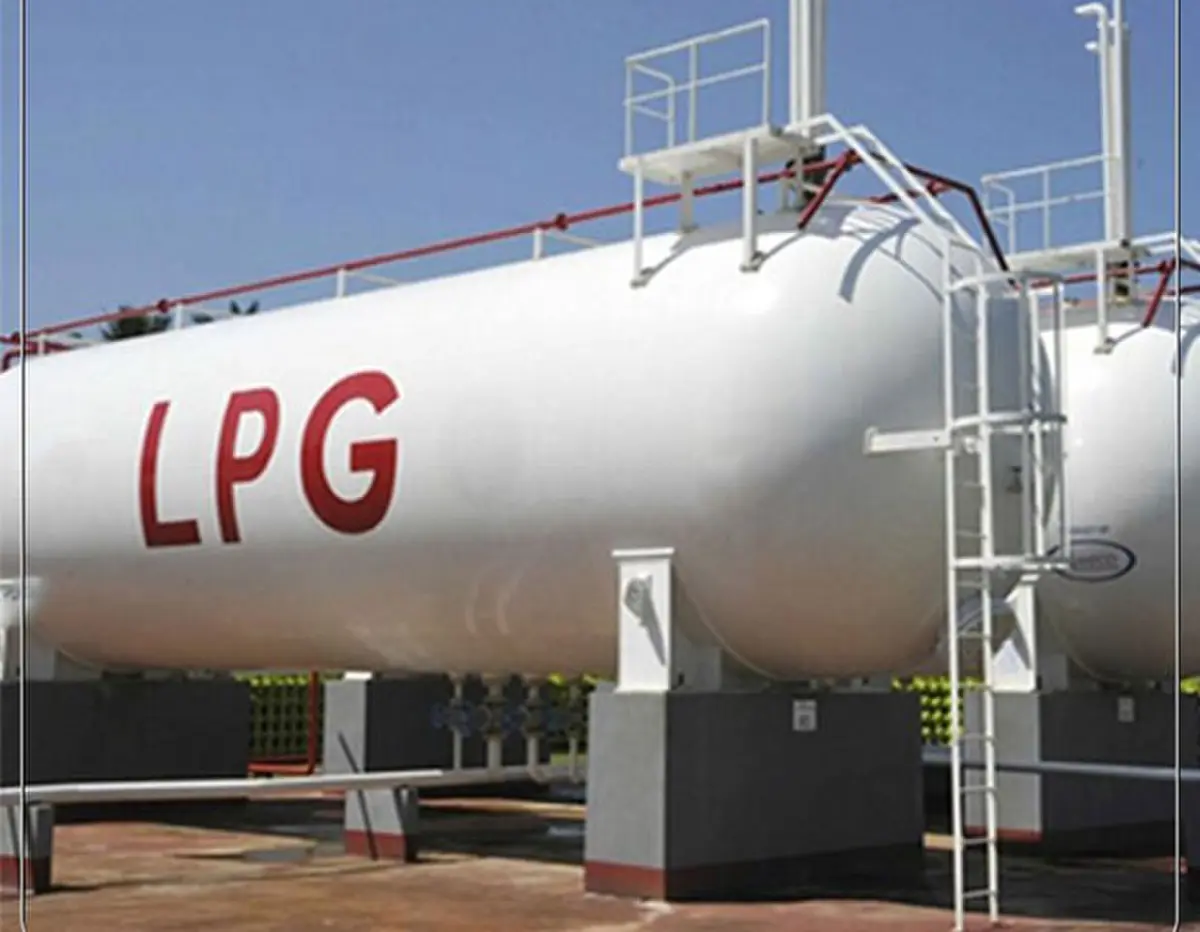
A high‑level committee chaired by the secretary of petroleum, with Federal Minister for Petroleum Ali Pervaiz Malik in attendance, decided on Saturday that 10 per cent of locally produced LPG would be allocated to state‑owned LPG marketing companies for supply to hard‑to‑reach areas. The remaining 90 per cent will be offered through transparent auctions held in the presence of the media. Private bidders will be allowed to purchase a maximum of 20 tonnes per day through the auction.
Under the new mechanism, indigenous LPG producers will allocate 10 per cent of their production to state‑owned companies, while the rest will be auctioned. The applicable rate for public sector companies will be the producer price, based on the CP rate (Saudi Aramco FOB price). The arrangement aims to improve access to LPG, particularly in remote and underserved areas, while ensuring wider market participation.
The committee, which also includes the chairman of the Oil and Gas Regulatory Authority, managing directors of Oil and Gas Development Company Limited and Pakistan State Oil, the president of United Energy Pakistan Limited, and the director general of liquefied gases, will oversee auctions of indigenous LPG, review market supply arrangements and periodically assess pricing and bidding mechanisms. It will also monitor daily LPG production and present figures to the prime minister to ensure effective oversight of the supply situation.
In a statement, Ali Pervaiz Malik said the restriction limiting each company participating in the auction to a maximum allocation of 20 tonnes per day was intended to provide a level playing field and fair opportunities to all participants.
The Pakistan LPG Marketers Association (PLMA) has criticised the plan as an "eyewash", arguing it diverts attention from the shortage caused by the closure of the Iran border. Senior vice chairman Ali Haider said high prices result from black marketing fueled by a supply shortage. He noted that local LPG production accounts for about 30 per cent of total consumption, meaning the 10 per cent allocation to the public sector would not reach ordinary consumers. Of the country’s daily LPG consumption of around 7,000 tonnes, only 2,100 tonnes are produced locally, so 10 per cent of local production equals just 210 tonnes per day.
Mr Haider urged the government to reduce the 19 per cent sales tax on imports to 10 per cent, exempt the 5.5 per cent withholding tax, waive or cut terminal charges by 50 per cent, lower port‑related royalties and extend the permitted demurrage period. He warned that the bidding process could raise prices and allow companies with greater financial resources to dominate the market.
The committee’s decision marks a step toward operationalising the LPG auction framework approved by the federal cabinet on November 4. The PLMA has called for measures to ensure consumers receive gas at lower prices.