World
India Urges Modernized Water Cooperation at COP31, Echoing Pakistan’s Stance
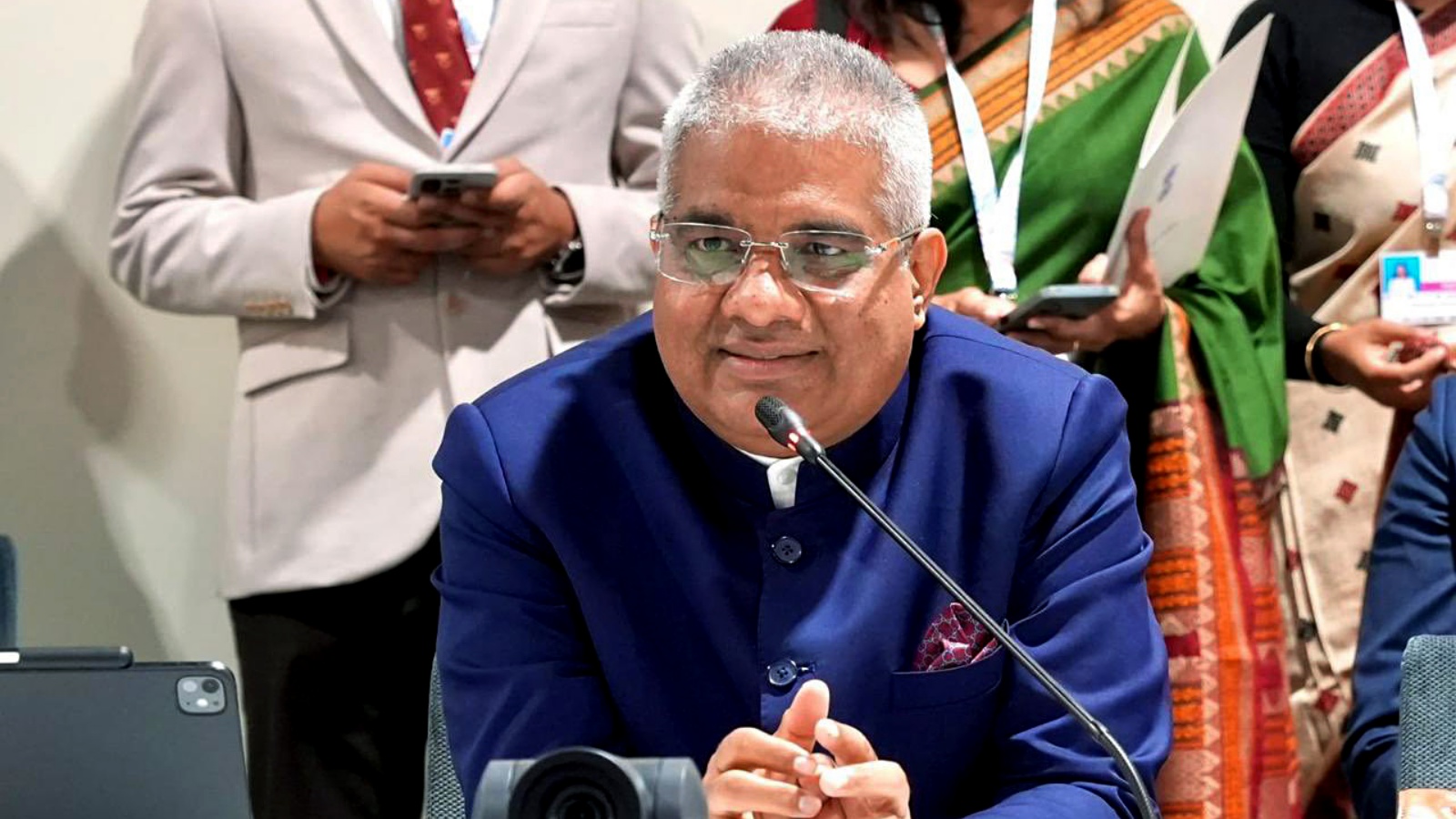
Environment Minister Bhupender Yadav said at the COP31 climate meeting in Antalya that sharing transboundary river waters cannot rely on “archaic mechanisms” or be detached from the broader relationship between India and Pakistan. He delivered India’s national statement, stressing that constructive cooperation and trans‑boundary water flows can bring shared progress and prosperity, while noting that climatic, demographic and technological changes must be considered. Yadav’s remarks were the first time India addressed the issue at a climate conference. They followed comments by Pakistan’s Prime Minister Shehbaz Sharif, who urged that water should never be weaponised and that agreements must be honoured in letter and spirit. The 1960 Indus Waters Treaty governs the sharing of six rivers of the Indus system between the two countries. After the 2023 terrorist attack in Pahalgam, India placed the treaty “in abeyance” until Pakistan renounced cross‑border terrorism. India now considers itself no longer bound by the treaty and has proceeded with several river projects that would have required Pakistan’s consent under the treaty. Pakistan, which depends heavily on these waters, has protested India’s actions, claiming they amount to weaponisation, and has secured a favourable verdict from the International Court of Arbitration, which India does not recognise. India has offered to renegotiate the treaty, citing changes in water demand, technological advances and climate impacts, but Pakistan has not responded. Yadav reiterated the government’s position that while constructive cooperation on water can lead to shared prosperity, it cannot be separated from the overall bilateral relationship. His comments came just days before Pakistan’s Minister for Climate Change, Musadik Masood Malik, was scheduled to visit New Delhi for the Shanghai Cooperation Organisation’s Civilisational Dialogue Forum. During his speech, Yadav also warned that the failure of developed countries to meet Paris Agreement obligations should not impose unjust burdens on developing nations. He highlighted India’s goal of becoming a developed country by 2047 and argued that its growth would benefit other developing countries. He called for equitable access to the remaining carbon budget and urged the developed world to fulfil its climate finance commitments. The two‑week COP31 conference is set to conclude on Friday.