Law & Justice
Experts Question Official Verdict on Jeffrey Epstein’s 2019 Death
By Umar Farooq
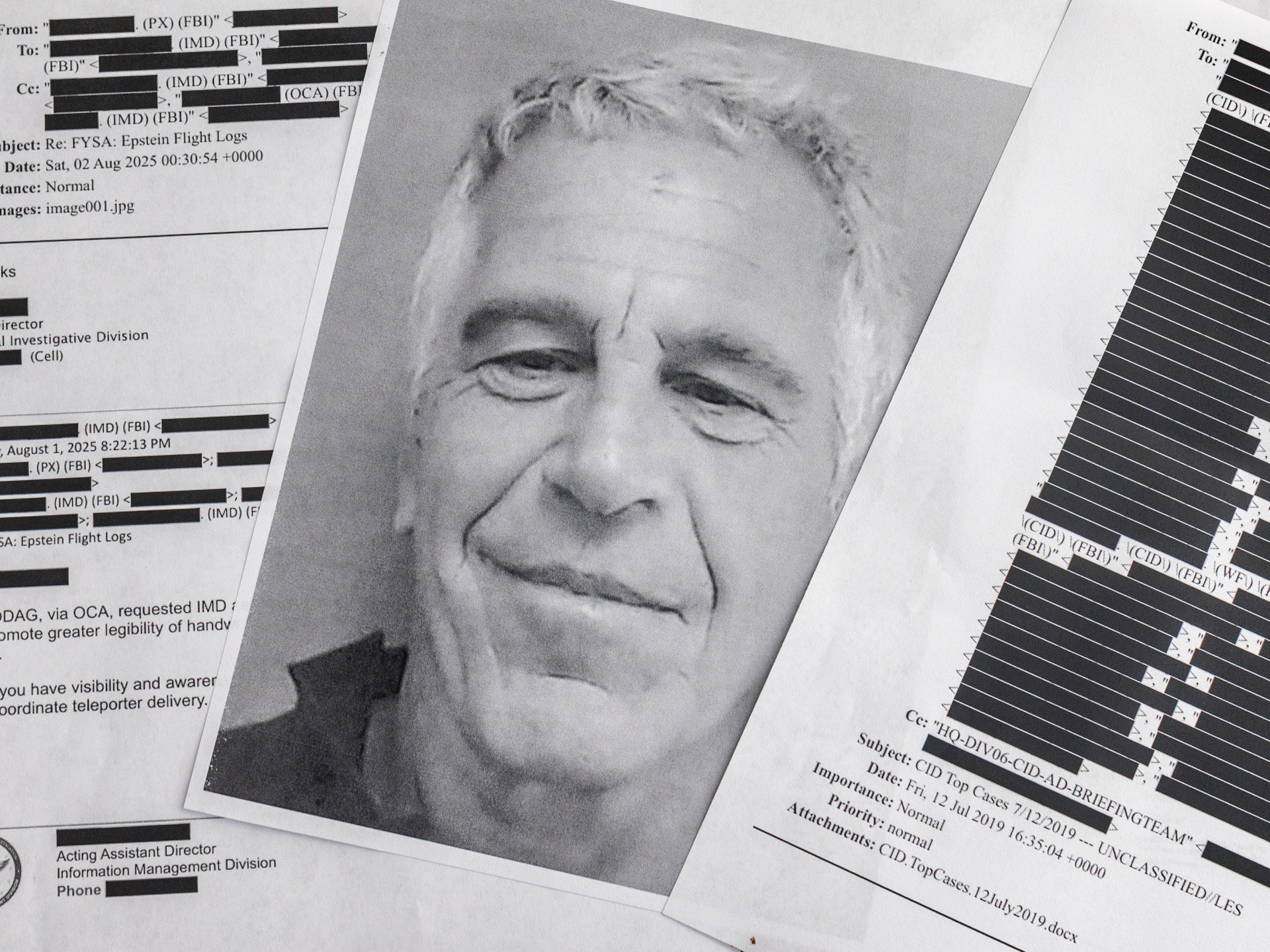
A trio of experts—Michael Freeman, a forensic scientist; Anders Eriksson, a forensic pathologist; and Itiel Dror, a cognitive scientist—has released a report that challenges the conclusion that convicted sex offender Jeffrey Epstein died by suicide in his jail cell in 2019. The report, obtained by Al Jazeera and other outlets, argues that injuries on Epstein’s body are most consistent with homicidal strangulation rather than a suicidal hanging. The experts state that the pattern, distribution, and number of injuries cannot be explained by a self‑inflicted hanging. They suggest Epstein was first assaulted and then strangled, offering an alternative narrative to the 2019 autopsy report.
Epstein, a wealthy businessman with high‑profile connections that included former U.S. presidents Bill Clinton and Donald Trump, was arrested in 2019 on federal charges of sex trafficking. He died in a New York City jail while awaiting trial. The New York City medical examiner, Kristin Roman, performed the autopsy and, along with Chief Medical Examiner Barbara Sampson, ruled the evidence pointed to suicide by hanging. While some experts have supported this ruling, citing that the circumstances, though unusual, are not inconsistent with suicide, Epstein’s brother Mark has long questioned the findings. He provided Freeman access to the death records.
The report highlights several concerns with the initial investigation. Prison personnel who discovered Epstein’s body did not photograph it before moving it, and investigators failed to identify the ligature that was actually around his neck. The guard who first found the body reportedly refused to be interviewed, and the medical examiner who declared the death a suicide was not allowed to visit the prison. The researchers note that the marks left by the ligature on Epstein’s neck were not slanted as would be expected if his body had been hanging from the bedpost. They also observed bruising on Epstein’s back, shoulder, and neck that was not acknowledged in the original statements. According to the report, these injuries are most consistent with homicidal strangulation from behind, likely using a narrow knotted fabric ligature.
Dror, who studies biases in forensic science, explained that investigators handling Epstein’s case faced significant political pressure, which he believes interfered with the scientific assessment. He and his colleagues reviewed photos and records related to Epstein’s death and concluded that the medical examiner had wrongly ruled it a suicide. The trio’s report suggests either that the guard who found the body was lying about the body’s position or that the body was deliberately placed to appear as a suicide.
Frequently asked questions
Who are the experts who released the report questioning Epstein's death verdict?
Michael Freeman, a forensic scientist; Anders Eriksson, a forensic pathologist; and Itiel Dror, a cognitive scientist.
What alternative cause of death do the experts suggest?
They argue the injuries are most consistent with homicidal strangulation rather than a suicidal hanging.
What investigative concerns did the experts highlight?
They noted that prison personnel did not photograph the body, failed to identify the ligature, the guard refused interview, the medical examiner was not allowed to visit the prison, and injuries like bruising on back, shoulder, and neck were not acknowledged.