Law & Justice
Top Court Directs Road Ministry to Review Enforcement Gaps in Seat Belt and Child Safety Laws
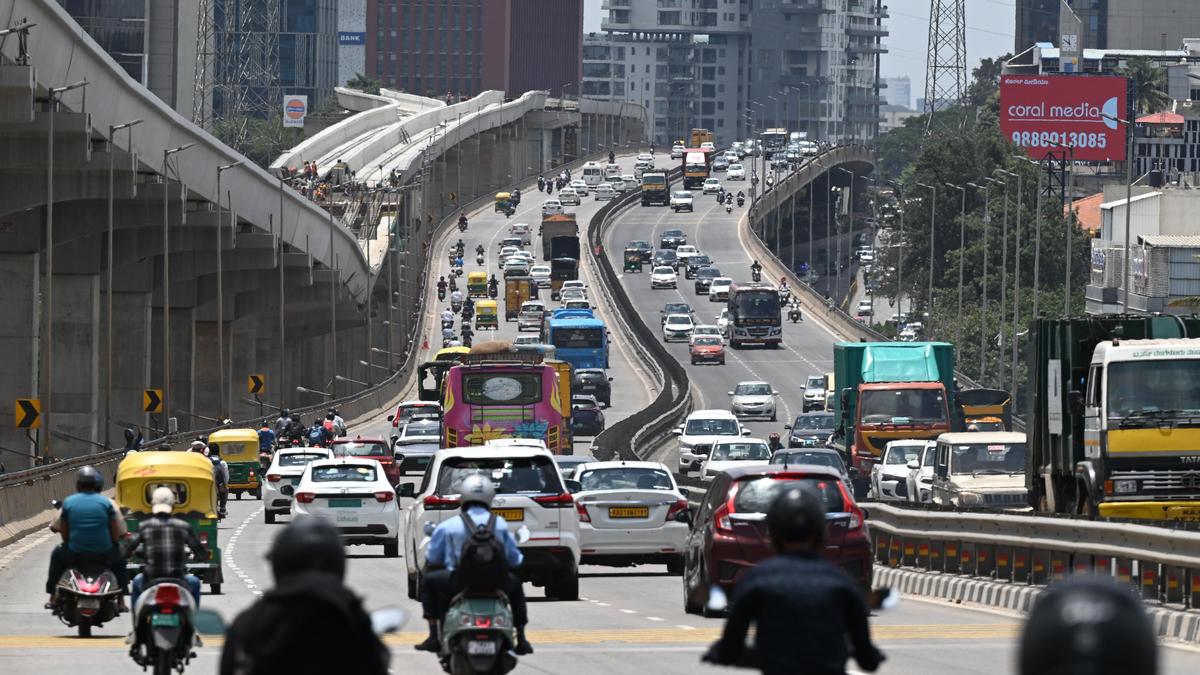
The Supreme Court on Wednesday, September 9, 2026, expressed concern over the high number of deaths and serious injuries resulting from road accidents caused by negligence in following seat belt rules, child safety measures, and the lack of first aid kits in vehicles, calling the situation deeply troubling.
A three-judge bench led by Chief Justice of India Surya Kant directed the Union Road Ministry to examine a petition filed by Dr. Jothydev Kesavadev, a researcher represented by advocate Wills Mathews. The petition argued that many road fatalities could be prevented through simple measures such as the consistent use of seat belts, child seats, and rear seat belts, all of which are mandated under the Motor Vehicles Act, 1988, but remain poorly enforced.
The Court observed that this matter falls under the enforcement responsibilities of the Executive branch rather than the judiciary. Chief Justice Kant remarked that the Supreme Court cannot monitor the actions of every citizen or driver in the country, drawing a comparison to how life imprisonment for murder has not eliminated the crime.
Advocate Mathews told the Court that decorative seat covers and other accessories are often used in place of proper safety equipment in vehicles, and argued that this negligence endangers the right to life guaranteed under Article 21 of the Constitution.
CJI Surya Kant reiterated that implementing and enforcing such safety rules is the responsibility of law enforcement authorities. Mathews further informed the Court that his client had submitted a formal representation to the government on February 16 regarding the issue but had received no response, describing himself as "helpless" in the matter.
The bench recorded in its order a direction to the Road Ministry to receive and review the documentation and records submitted by the petitioner.