Law & Justice
Supreme Court Holds Society Status Does Not Exempt Bodies From State Definition
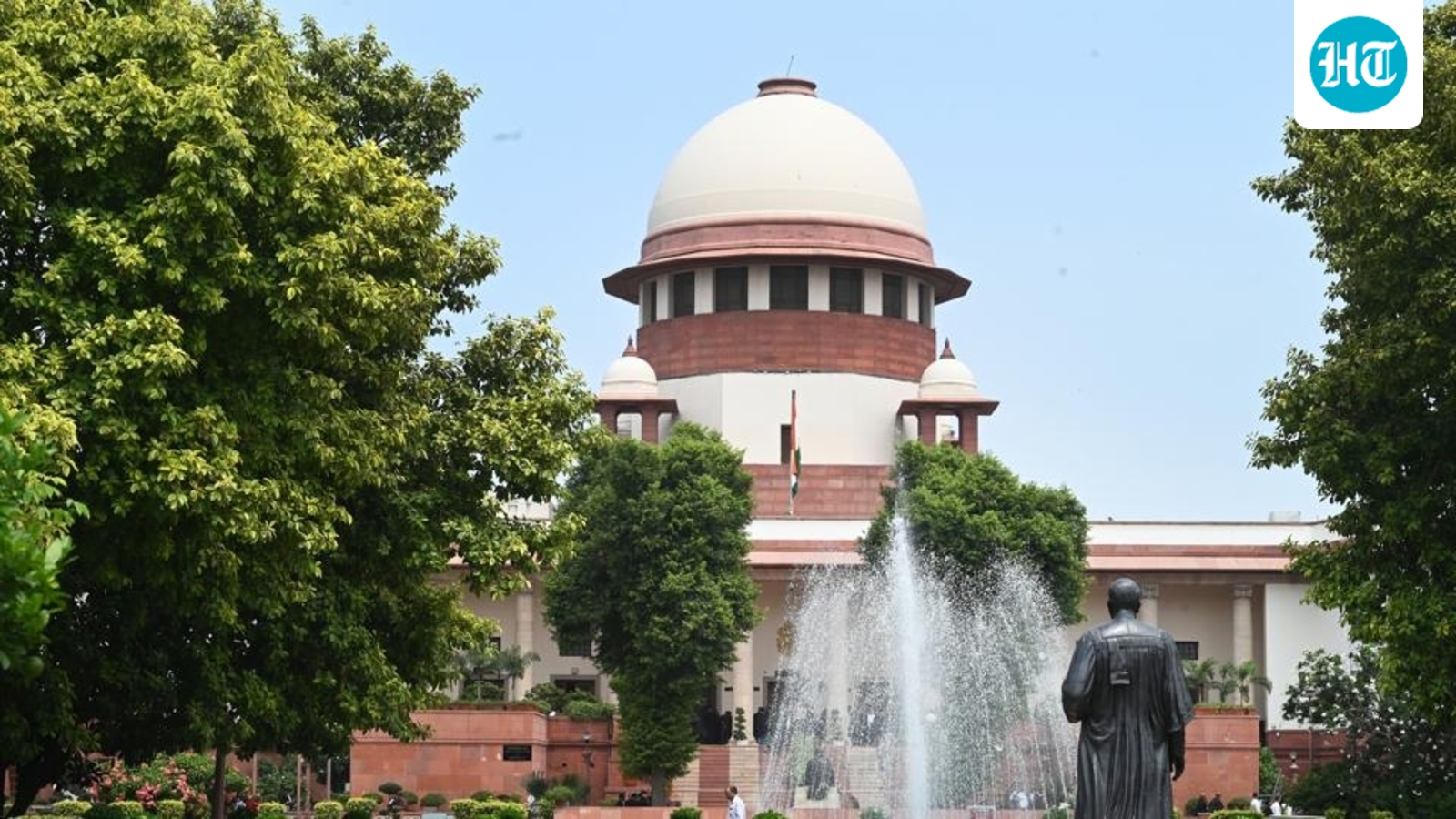
The Supreme Court ruled that an organisation’s registration as a society does not automatically exempt it from being considered a State entity under Article 12 of the Constitution. The court clarified that the key factor is the degree of government control over the organisation’s functioning and decision‑making, not its legal form. The decision was delivered by Justices Prashant Kumar Mishra and Augustine George Masih, who upheld a Delhi High Court ruling that the National Book Trust (NBT) is an instrumentality of the government. The bench noted that the NBT was created by a government resolution in 1957, reorganised in 1962, and that the government appoints its chairman, participates in its governing body and executive committee, and oversees its financial affairs. The finance ministry’s representative acts as financial adviser, the trust’s annual reports and audited accounts are submitted to the government, and the Comptroller and Auditor General audits its accounts. The court rejected the NBT’s argument that its society status and independent book sales made it autonomous. It held that income sources cannot be viewed in isolation from the overall structure of control. The judgment distinguished between performing a public function and being a State instrumentality, stating that the nature of the work, its creation, and the extent of government control together determine the constitutional test. Declaring an organisation ‘State’ under Article 12 does not make it a government department or grant its employees civil‑service status; it only subjects the organisation to Part III of the Constitution, which governs fundamental rights. The court dismissed the NBT’s appeal, affirming that the government’s involvement is sufficiently deep and pervasive to bring the trust within the constitutional definition of ‘State’.
Frequently asked questions
What did the Supreme Court decide about society status?
The Court ruled that an organisation’s registration as a society does not automatically exempt it from being considered a State entity under Article 12, based on government control.
Why was the National Book Trust considered a State instrumentality?
Because it was created by a government resolution in 1957, reorganised in 1962, and the government appoints its chairman, participates in its governing body and executive committee, oversees its financial affairs, and audits its accounts.