Health
ICMR Unveils Syndromic Surveillance Network to Detect Disease Outbreaks Early
By Rhythma Kaul
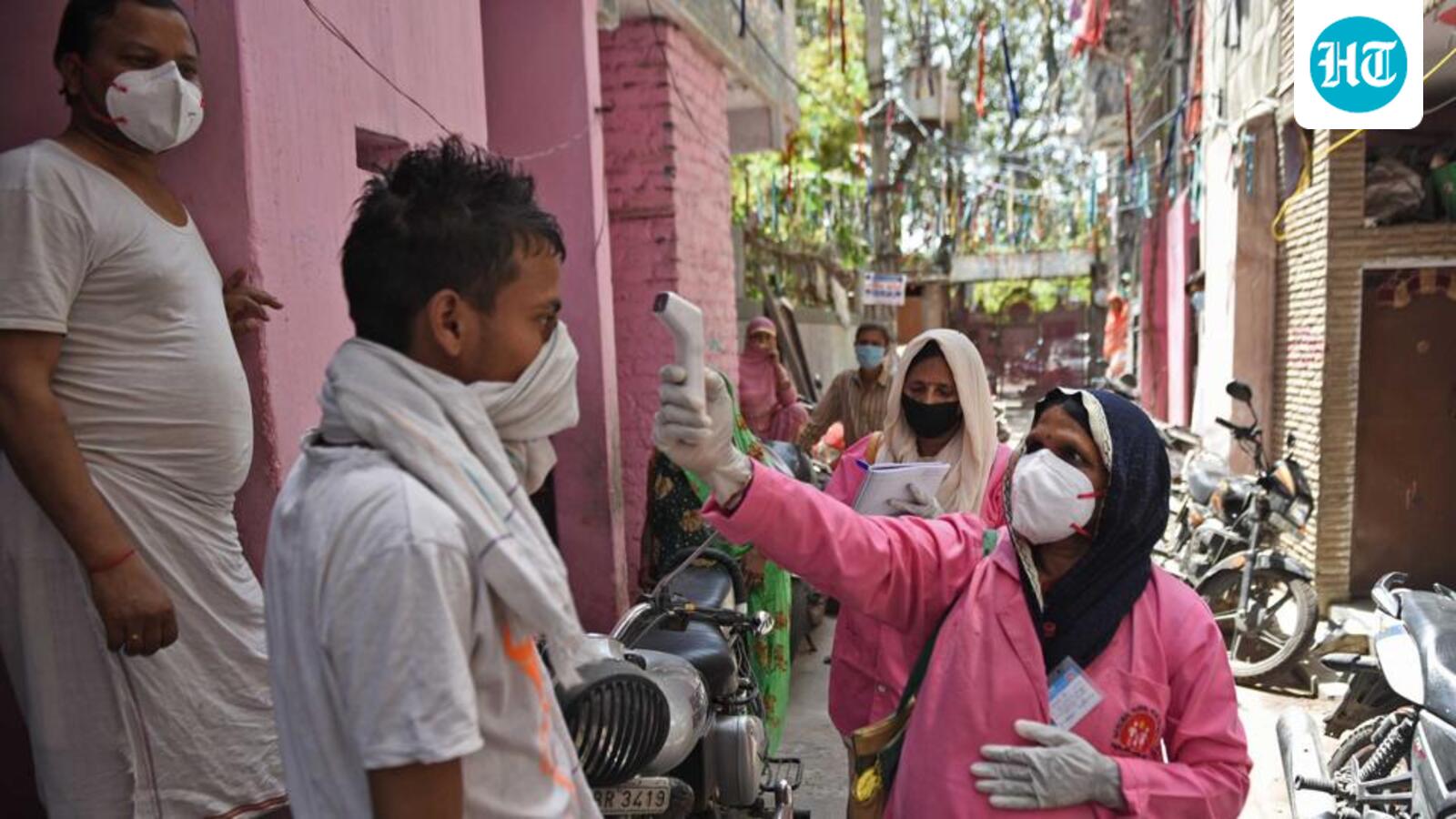
The Indian Council of Medical Research (ICMR) has launched a syndromic surveillance initiative aimed at providing early warnings of infectious disease outbreaks. The program, part of the Department of Health Research’s Virus Research and Diagnostic Laboratories (VRDL) scheme, will create an early‑warning network across 70 VRDLs and Infectious Disease Research & Diagnostic Laboratories (IRDLs). It will use real‑time or near real‑time health data to deliver immediate analysis and feedback for epidemiological investigations, helping determine the size, spread, and speed of an outbreak after detection.
A draft document outlining the process notes that current laboratory testing algorithms in India are varied, institute‑ or region‑specific, and largely disease‑centric, with limited scientific literature on nationwide pathogen prevalence and trends. This fragmentation can lead to missed common or critical pathogens, hampering patient care and exacerbating public health issues such as antimicrobial resistance.
To address this, ICMR has compiled priority pathogen lists for critical infectious syndromes in India. The lists were developed through 44 meetings involving eminent clinicians, laboratory experts, and epidemiologists from across the country. Working groups reviewed literature and drew on their experience to draft syndrome‑wise lists based on prevalence, trends, outbreak potential, disease elimination targets, and availability of diagnostics or therapeutics.
The priority lists cover Acute Febrile Illness (including Acute Undifferentiated Fever, Fever with Rash, Fever with Lymphadenopathy), Acute Encephalitis Syndrome, Acute Respiratory Illness, and Acute Diarrhoeal Disease. They are intended to guide medical practitioners, laboratory experts, epidemiologists, and policymakers on diagnostic and surveillance approaches for these syndromes, and to help indigenous industry partners develop India‑specific, cost‑effective medical countermeasures.
Pathogens are graded from commonly encountered to rare or high‑risk. Priority 1A includes pathogens that must be diagnosed before treatment initiation; Priority 1B covers other common pathogens; Priority 2 lists less common pathogens; and Priority 3 includes rare pathogens that may be detected only through specialized testing. The grading also considers endemicity, outbreak risk, seasonality, exposure history, and exotic status.
The initiative is expected to streamline testing, improve patient care, and strengthen public health surveillance across India.
Frequently asked questions
How many VRDLs and IRDLs will be part of the early-warning network?
The network will span 70 VRDLs and IRDLs.
What infectious syndromes are covered by the priority pathogen lists?
Acute Febrile Illness (including Acute Undifferentiated Fever, Fever with Rash, Fever with Lymphadenopathy), Acute Encephalitis Syndrome, Acute Respiratory Illness, and Acute Diarrhoeal Disease.
How many meetings were held to develop the priority pathogen lists?
44 meetings.