Health
IISc Study Shows Vancomycin Restores Isoniazid Effectiveness Against Drug‑Resistant TB
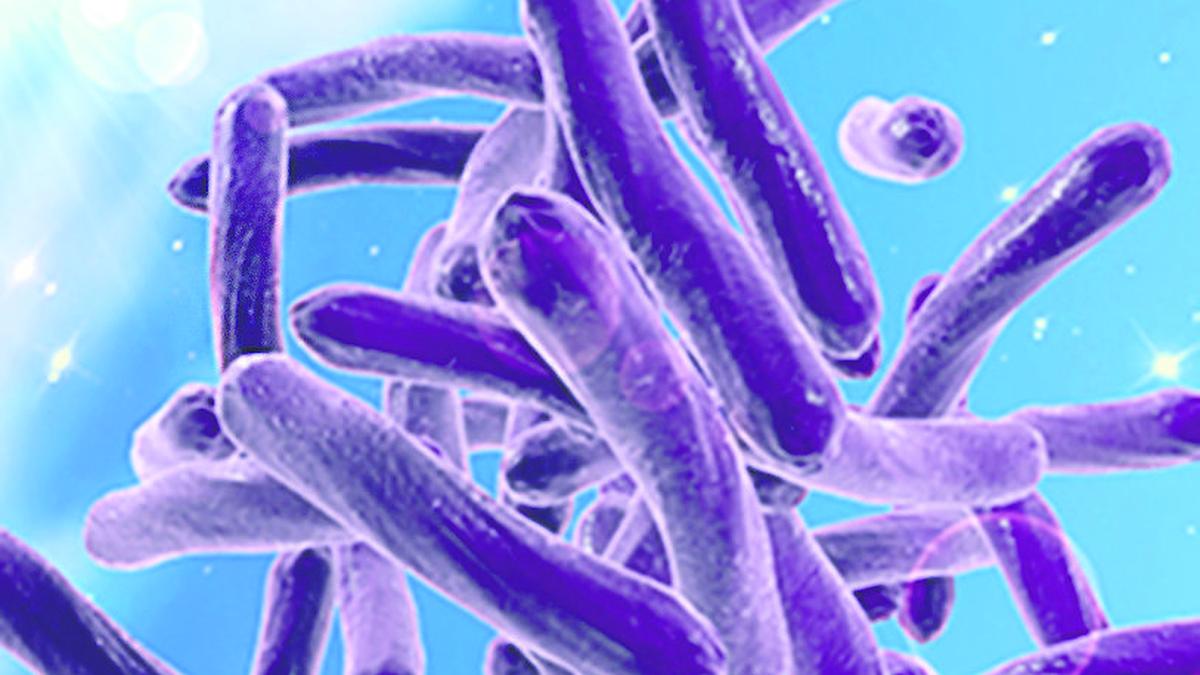
Researchers at the Indian Institute of Science (IISc) have discovered that combining the frontline TB drug isoniazid with vancomycin can reverse isoniazid resistance in Mycobacterium tuberculosis. The study, published in Microbiology Spectrum, tested the drug pair against clinical isolates from patient sputum samples collected in collaboration with the National Tuberculosis Institute, Bengaluru. The isolates displayed a wide range of isoniazid resistance, allowing the team to evaluate the combination across multiple resistance mechanisms.
Isoniazid is a prodrug that requires activation by a bacterial enzyme; mutations in specific genes can block this activation, leading to resistance. Vancomycin normally struggles to penetrate the thick cell wall of M. tuberculosis, but when used together, the loss of cell wall integrity permits vancomycin entry and bacterial killing. The combination reduced bacterial growth by more than 90% in most isolates, including those that were isoniazid‑resistant and multidrug‑resistant (MDR).
In a mouse model infected with an MDR strain, neither drug alone significantly lowered bacterial burden after 10 days of treatment. The combination, however, achieved an approximately ten‑fold reduction in bacterial load in both lungs and spleen, and histopathology showed fewer lung granulomas.
Professor Nagasuma Chandra, head of IISc’s Department of Biochemistry, said the work demonstrates a viable strategy to rescue isoniazid by reversing resistance. PhD student Sukriti Pal, first author of the study, noted that while many antibiotic combinations exist for TB, resistance remains a major challenge.
The IISc team is now working to advance the isoniazid‑vancomycin combination toward clinical trials. Published – November 17, 2026 12:49 am IST