India
CJI Surya Kant Reassigns Two Cases from Justice Amanullah Over PIL Expansion
By Utkarsh Anand, hindustantimes.com
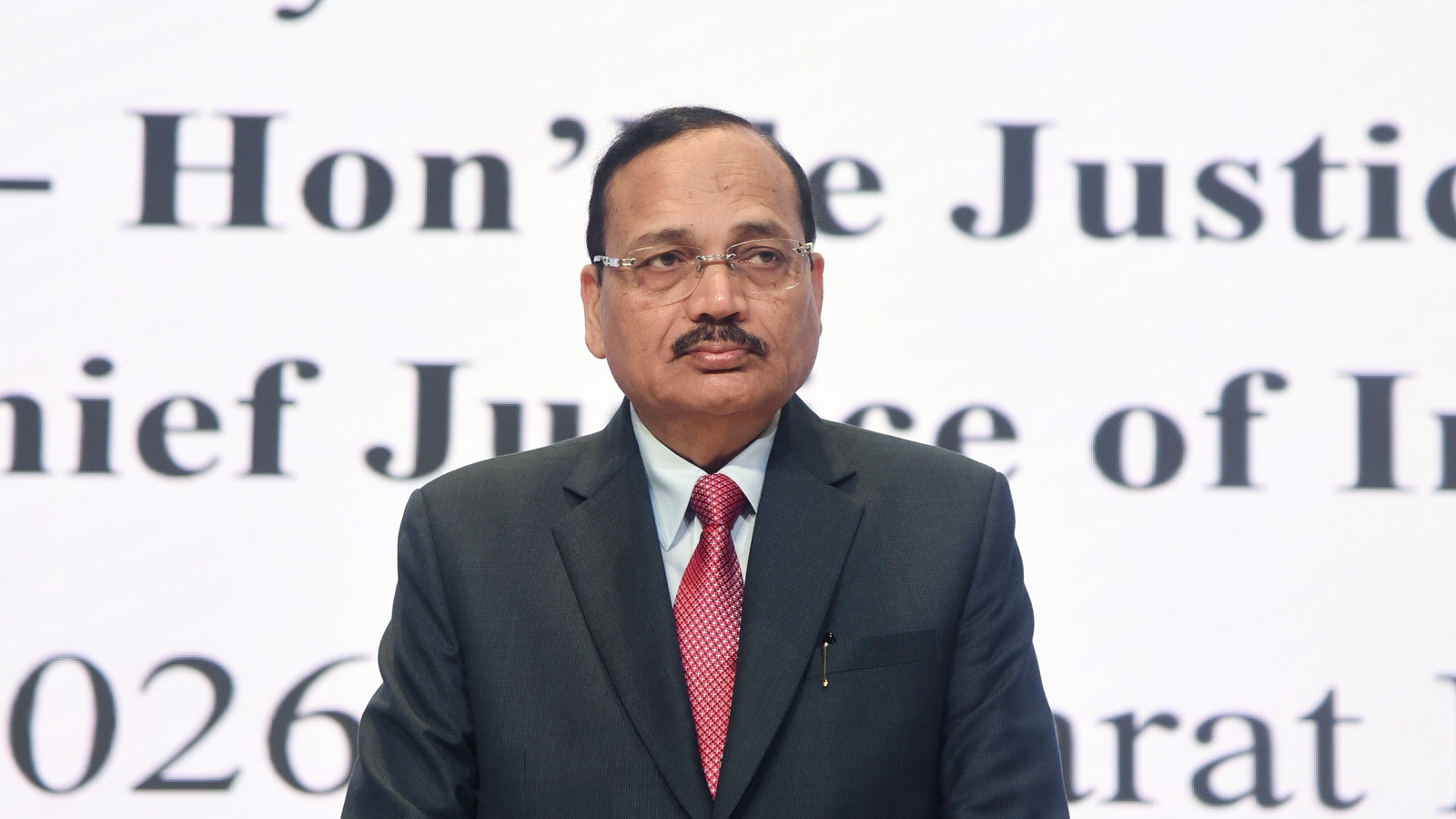
Chief Justice of India Surya Kant, after consulting the four most senior Supreme Court judges, shifted two matters from a bench headed by Justice Ahsanuddin Amanullah. The decision followed a full‑court meeting in which the CJI emphasized that judges must adjudicate strictly according to their rosters. The two cases had begun as individual disputes but were expanded by Justice Amanullah into nationwide public interest litigations (PILs), which are not part of his roster. The first case, Ayesha Jain v Amity University Noida, involved a student’s grievance over alleged harassment and a lost academic year after a legal name change. The bench broadened the matter into a nationwide review of private university regulation, issuing directions to the Centre, states and regulatory authorities. It is now assigned to a three‑judge bench headed by Justice Vikram Nath, with Justices R Mahadevan and Aparesh Kumar Singh, and will be heard on 19 November. The second case, Loganathan v State of Tamil Nadu, concerns unauthorized construction and commercial misuse of residential properties. The bench began with a Chennai case involving a one‑and‑a‑half‑storey building built without an approved plan and expanded it to a pan‑India inquiry, seeking responses from states and municipal authorities. Senior advocate Ajit Kumar Sinha was appointed amicus curiae. The matter is now expected before a bench headed by Justice B.V. Nagarathna on 23 November. Justice Amanullah’s roster does not include PILs, and the CJI noted that any bench wishing to consider a case as a PIL must refer it to the CJI through the registry for appropriate orders. The move reflects earlier Supreme Court rulings that reaffirm the CJI’s sole authority to constitute benches and allocate cases, and that judges must remain within the business assigned to them. The decision was made after a full‑court meeting held about a month ago, where the CJI stressed the importance of orderly case allocation for judicial discipline and public confidence in justice. The article was written by Utkarsh Anand, National Legal Editor at Hindustan Times.
Frequently asked questions
Why did Chief Justice Surya Kant reassign the two cases from Justice Amanullah?
Because Justice Amanullah expanded the cases into nationwide public interest litigations, which are not part of his roster, violating the rule that judges must adjudicate strictly according to their rosters.
Which benches will now hear the Ayesha Jain and Loganathan cases?
The Ayesha Jain v Amity University case will be heard by a three‑judge bench headed by Justice Vikram Nath on 19 November, and the Loganathan v State of Tamil Nadu case will be heard by a bench headed by Justice B.V. Nagarathna on 23 November.
What role did the full‑court meeting play in the decision?
The full‑court meeting, held about a month ago, led CJI Surya Kant to emphasize orderly case allocation and judicial discipline, prompting the reassignment.