World
Iraq’s PM to Discuss New Oil Pipeline to Lebanon Amid Hormuz Disruptions
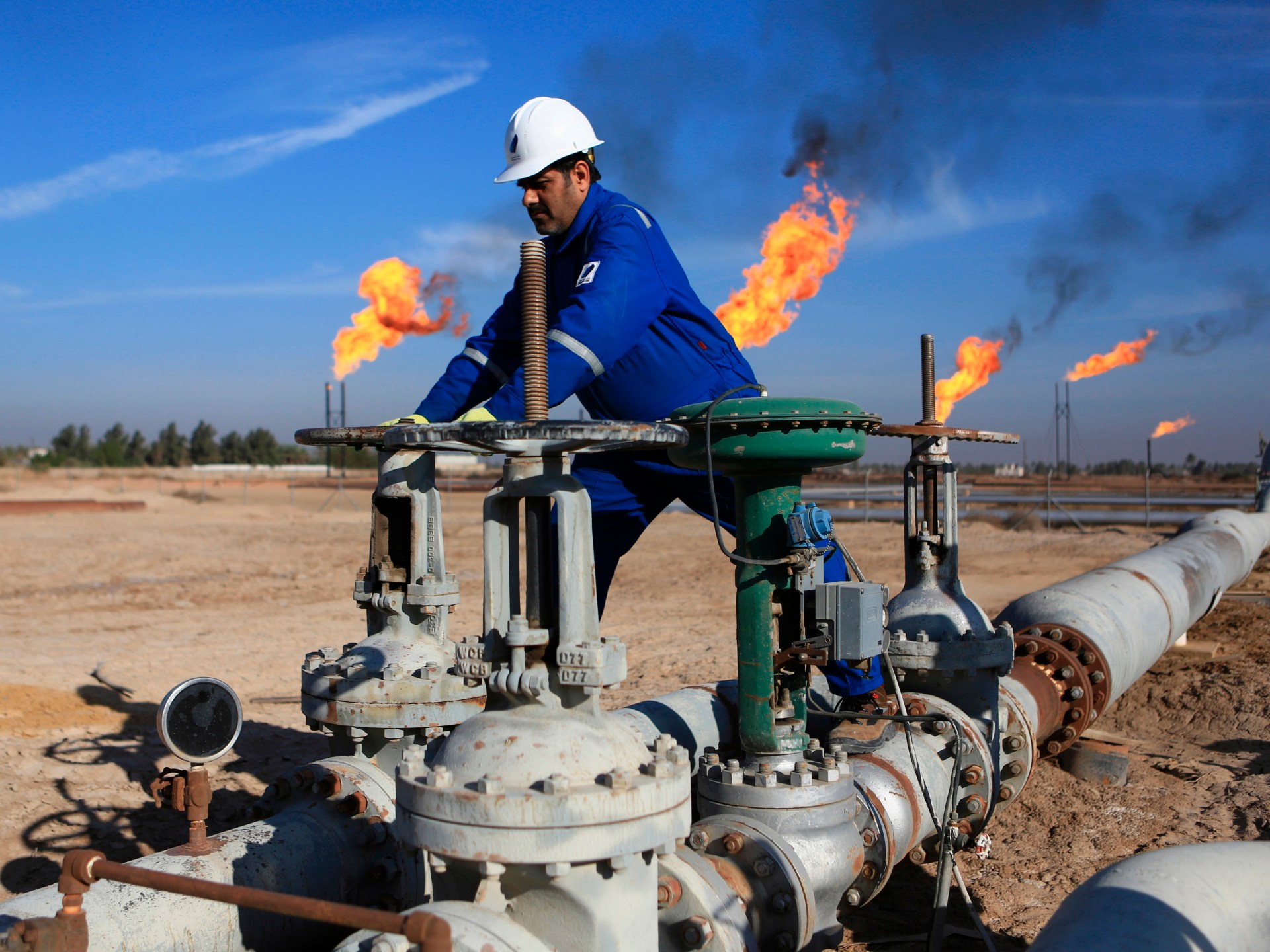
Iraq’s Prime Minister Ali al‑Zaidi will travel to Beirut for a series of high‑level meetings with Lebanese President Joseph Aoun, Prime Minister Nawaf Salam and Parliament Speaker Nabih Berri. The agenda will focus on strengthening bilateral trade, customs‑exemption agreements and cooperation on security and drug‑trafficking. A key topic will be a proposed pipeline linking Kirkuk in Iraq to the Mediterranean port of Baniyas in Syria and then to Tripoli in northern Lebanon, which could provide an alternative export route that bypasses the Strait of Hormuz.
The idea comes after the U.S.–Israel war on Iran in late February disrupted the Strait of Hormuz, a waterway through which one‑fifth of the world’s energy passes in peacetime. Iraq’s crude‑oil exports fell sharply during the conflict, dropping to about 200,000 barrels per day (bpd) in May from 3.5 million bpd before the war. The Ministry of Oil reported exports of roughly 2.7 million bpd last month, helped by the resumption of pumping through the Iraqi‑Turkish pipeline at an initial capacity of 120,000 bpd.
Professor Walid Marrouch of the Lebanese American University said Iraq is seeking alternative routes to diversify its export channels. An associate fellow at the Royal United Services Institute noted that the U.S. envoy Tom Barrack has been working to broaden Iraq’s export corridors through Turkey, Saudi Arabia, Syria and Lebanon.
Tripoli’s existing oil infrastructure, which includes three legacy lines with a historical peak capacity of 900,000 bpd, could be repaired and renovated. A 2024 report by the Basil Fuleihan Institute of Finance estimated that the terminal could handle 300,000 to 500,000 bpd, potentially generating $80 million to $275 million in annual revenue for Lebanon.
Al‑Zaidi’s visit follows a recent meeting in Damascus with Syrian President Ahmed al‑Sharaa, where the two countries signed a cooperation agreement to rehabilitate the Kirkuk‑Baniyas pipeline. The U.S. Department of State said the project would have an initial transport capacity of 2 million bpd.
Experts warn that Lebanon must act quickly to secure a role in a possible tripartite agreement with Syria and Iraq, or risk being bypassed. The pipeline would require oil to travel about 250 km (155 miles) through Syrian territory, where ports at Tartous, Latakia and Baniyas could handle 350,000 to 500,000 bpd. Including Lebanon could offer advantages such as Tripoli’s deepwater quays, which allow larger vessels and lower freight costs, and a coastline that is naturally shielded from harsh southern winds and rough swells, making it accessible year‑round.
The potential project could benefit all parties by providing Iraq with a new export route, boosting Syrian oil handling capacity, and generating significant revenue for Lebanon amid its ongoing economic crisis.
Frequently asked questions
What is the proposed pipeline route that Iraq plans to discuss with Lebanon?
The pipeline would link Kirkuk in Iraq to Baniyas in Syria and then to Tripoli in northern Lebanon.
How many barrels per day could the Tripoli terminal handle according to the Basil Fuleihan Institute of Finance report?
The 2024 report estimated the terminal could handle between 300,000 and 500,000 barrels per day.
What was the impact of the U.S.–Israel war on Iran on Iraq's crude oil exports?
Iraq’s crude‑oil exports fell to about 200,000 barrels per day in May from 3.5 million barrels per day before the war.