Law & Justice
Hydrobromic Acid Used to Evade Mephedrone Precursor Controls, NCB Reports
By Prawesh Lama
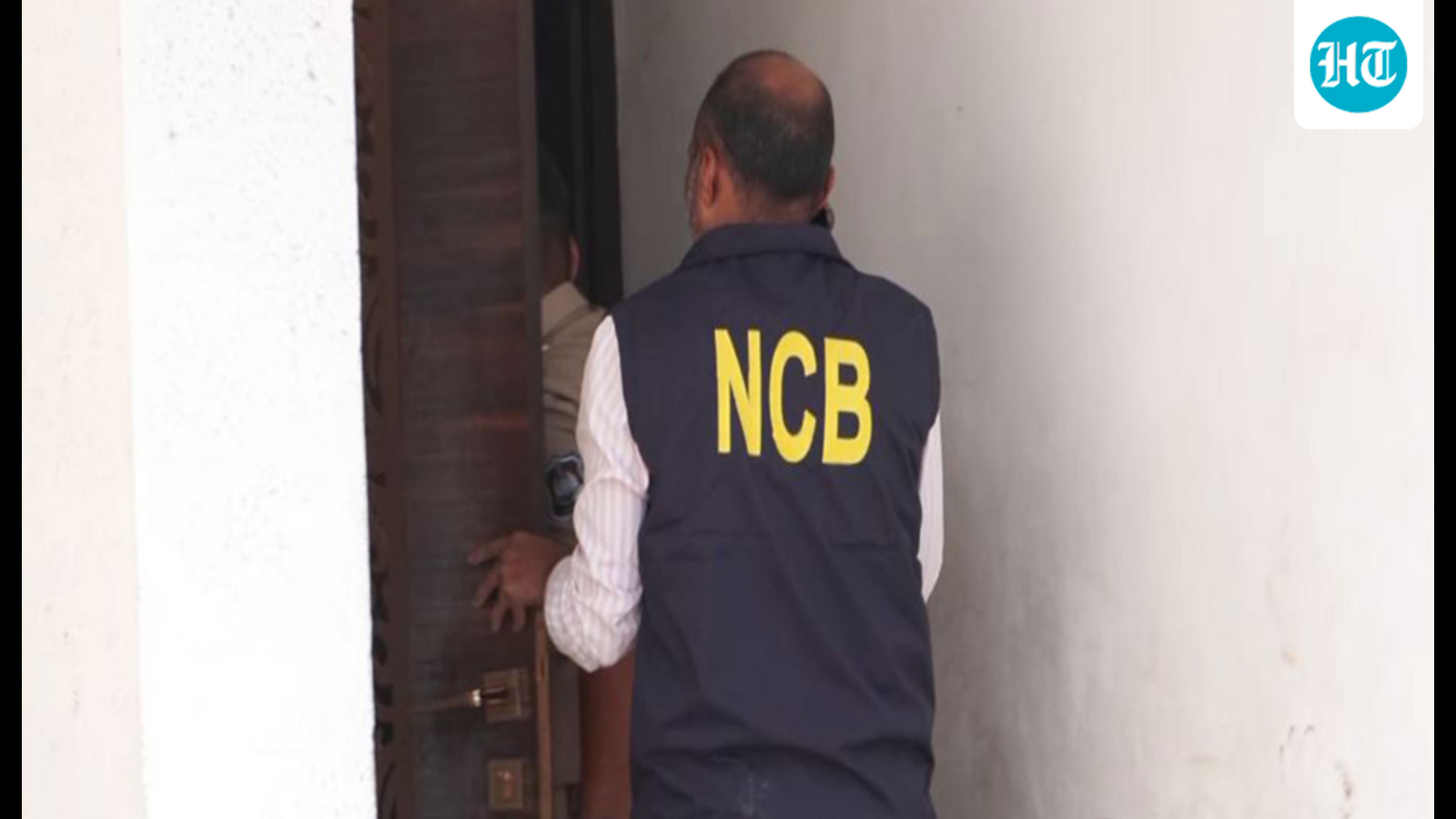
The Narcotics Control Bureau (NCB) said it seized hydrobromic acid from a clandestine mephedrone laboratory in Ahmedabad’s Sarkhej on November 15. The laboratory, hidden in a basement of a residential building, was accessed through a concealed entrance behind a wardrobe and a removable section of tiled flooring. The NCB recovered 25 chemicals weighing 130.613 kg, including methylamine, bromine and hydrobromic acid, as well as laboratory equipment such as heating mantles, magnetic stirrers, temperature‑measuring instruments, pipettes, round‑bottom flasks, dropping funnels, separating funnels and beakers. Suspected mephedrone in powder and liquid form was also seized.
The seizure highlighted an alternative manufacturing method that bypasses the controlled precursor 2‑bromo‑4‑methylpropiophenone. On March 11, the Union finance ministry’s revenue department added 2‑bromo‑4‑methylpropiophenone to the controlled substance list under the Narcotic Drugs and Psychotropic Substances Act. The NCB had warned the home and finance ministries that the compound was being used in clandestine labs to produce mephedrone, also known as Meow Meow or drone.
In the Ahmedabad case, the accused, Mudasar Ahmed Khan, claimed he learned the production process online and had purchased chemicals and laboratory equipment from Mandsaur and Ahmedabad. Investigators also found that Khan operated a café that may have served as a delivery point for mephedrone. Four criminal cases related to rioting, criminal intimidation, mischief by fire and attempted murder had previously been registered against him.
An unnamed NCB officer said a cook in Rajasthan had told investigators that hydrobromic acid was needed only to start a specific reaction while preparing the drug, and that the end product was the same. The officer added that this method had been observed in several cases.
The NCB urged chemical and pharmaceutical manufacturers, importers, distributors and traders to adopt its Voluntary Code of Conduct for Preventing Diversion of Precursor Chemicals. The code calls for effective KYC, verification of the purchaser’s business and declared end use, maintenance of complete and auditable transaction records, scrutiny of unusual orders and prompt reporting of suspicious enquiries or transactions to the NCB.
The agency emphasized that enhanced due diligence is especially necessary when chemicals are sought in unusual quantities, deliveries are requested at residential or unverifiable premises, the buyer avoids disclosing the end use, or orders involve multiple chemicals that could be combined for illicit synthesis. Vigilance should cover both notified controlled substances and non‑scheduled precursor and pre‑precursor chemicals.
The NCB’s 2025 annual report noted that labs vary in scale and sophistication, with mephedrone being the most common drug. In 2025, drug enforcement agencies busted 30 such labs across the country, including two in Greater Noida last month. The NCB chief, Anurag Garg, has previously warned state police forces about identifying clandestine laboratories, listing red flags such as covered windows, CCTV, strong chemical odors, unusual ventilation equipment, high electricity usage, large quantities of household or industrial chemicals, discarded lab equipment in garbage, complaints of burning eyes or headaches, and frequent deliveries of unlabelled containers.