India
Hyderabad Teachers Protest Leave Directive Tied to 95% Attendance Target
By B. Pradeep
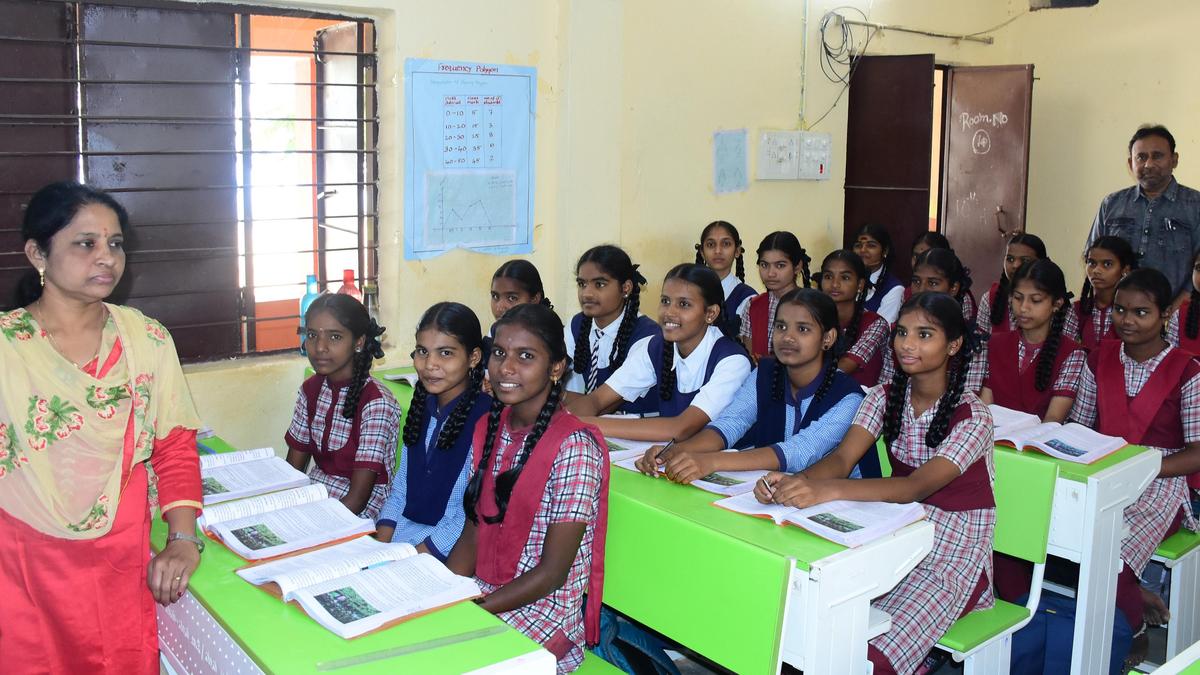
A directive issued by Hyderabad District Collector Priyanka Ala on November 13 requires teachers in the district to obtain prior approval from the Additional Collector (Local Bodies) before taking any leave until school attendance reaches 95%. The order, reviewed by The Hindu, directs Headmasters, Deputy Inspectors of Schools, Deputy Educational Officers and District Educational Officers to ensure at least 95% attendance among teachers and students in every school. It bars teachers, DyIoS and DyEOs from taking leave until the target is met and makes prior approval from the Additional Collector mandatory. Headmasters must maintain 95% daily attendance in their schools, DyIoS must monitor attendance at the mandal level and DyEOs at the zonal level, submitting consolidated reports to the Additional Collector by 5 p.m. daily. Schools must also record daily attendance through the Facial Recognition System (FRS). The proceedings warn that any deviation will invite disciplinary action. The order cites a review meeting held by Chief Secretary Sanjay Jaju with all District Collectors on November 13, during which Hyderabad district was found to have among the lowest FRS attendance levels for teachers and students in the State. Sources say the issue was first flagged by Chief Minister A. Revanth Reddy during an extensive review of the education sector on November 11, when Hyderabad’s attendance of teachers and students was reported to be around 60%. The AI‑powered FRS records attendance in nearly 25,000 schools across the State and was introduced following its statewide launch in August 2025. In Hyderabad, teachers mark their attendance before 9 a.m., while students’ attendance is recorded after the morning assembly, around 9.15 a.m.; however, instances of students arriving as late as 10.30 a.m. have also been reported. Several teachers and headmasters attribute the low attendance to the festive season and related traditions, which have kept many students away from schools as they visit their native districts and villages. A headmaster, who requested anonymity, said, “I can talk to my teachers and pressure them. But, how is a headmaster responsible if students don’t turn up? At the school level, practical things are different. There was Dasara, Diwali, and now some students are attending Ayyappa deeksha rituals.” Teacher representatives, including members of the Telangana State Primary Teachers Association, have questioned the legality of the Collector’s proceedings, citing the Fundamental and Subsidiary Rules governing casual leave as laid down in GO 70 of the School Education Department. The School Education Department has declared November a ‘special attendance month’ and directed all schools in the State to work toward 100% attendance. Schools have also been asked to follow up on students absent for five or more consecutive days, coordinate with their parents and school management committees, and ensure they return to classrooms. Concerns over school attendance in Hyderabad district are not new; last month, 183 teachers in the district were served show‑cause notices for failing to mark their attendance through the FRS.
Frequently asked questions
What attendance target must schools meet under the new directive?
Schools must maintain at least 95% attendance among teachers and students in every school.
Who must approve leave before teachers can take it?
Teachers, Deputy Inspectors of Schools, Deputy Educational Officers, and District Educational Officers must obtain prior approval from the Additional Collector (Local Bodies).
Which system is used to record daily attendance?
Daily attendance is recorded through the Facial Recognition System (FRS).