Technology
Europe Seeks Homegrown AI Platforms to Reduce Dependence on U.S. Tech
By Reuters
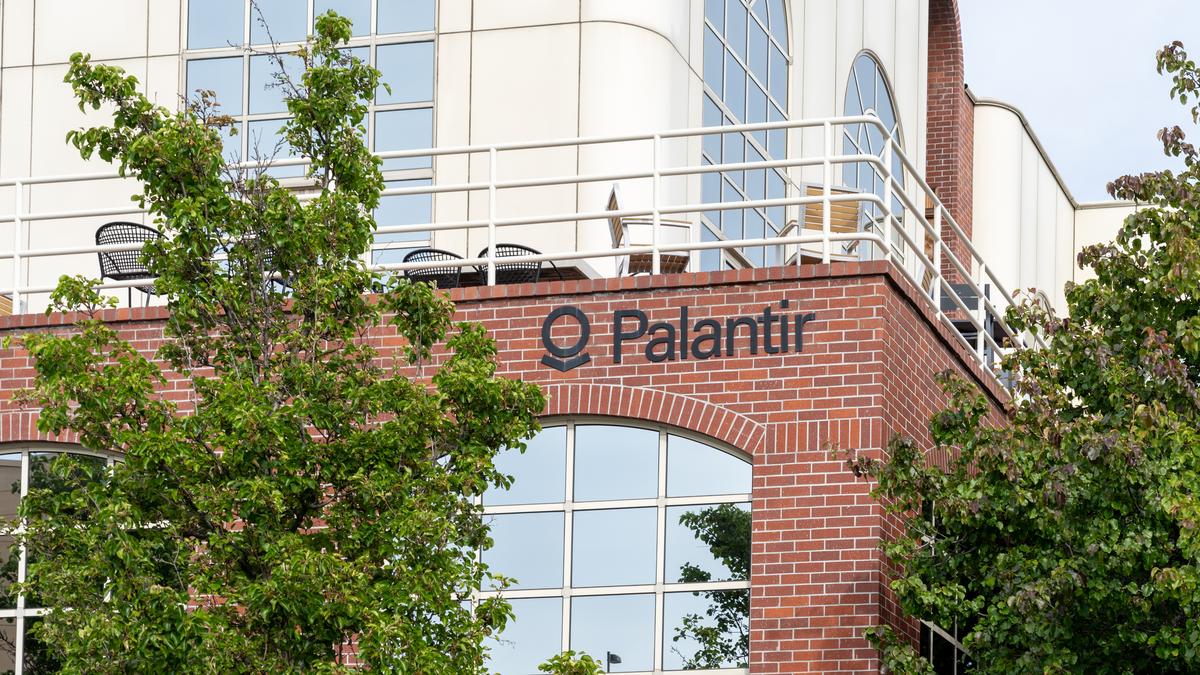
European defence ministries are looking to cut reliance on American technology and the software firm Palantir Technologies for critical military functions, sparking competition among regional companies. Germany’s Helsing announced last week a military intelligence system called Clarity, part of a growing market for AI‑powered tools that speed decision‑making by analysing large data sets to identify threats and suggest actions, including targeting. However, officials say Europe lacks a system that matches Palantir’s scale, deployment reach and operational experience. This creates a dilemma: pursue domestic solutions that offer greater autonomy but may be less mature, or rely on a proven platform while risking long‑term strategic dependence.
The Trump administration has urged Europe to take on more responsibility for its own security as U.S. forces withdraw from the region, putting pressure on the NATO alliance. European leaders face similar trade‑offs across many capabilities, such as satellite communications dominated by SpaceX. Ukraine reported significant disruptions to its SpaceX access last week, affecting the front line and Russian‑occupied areas.
France, a vocal proponent of European autonomy, is developing a sovereign AI‑enabled military platform called Arcadia. Deputy head of France’s defence procurement agency, Alexandre Lahousse, told Reuters the platform will involve multiple suppliers. Contracts are expected to be awarded by year’s end, with an operational version ready for field deployment by mid‑2027.
Germany, which plans to deploy an AI‑based military data integration platform next year, is evaluating domestic and other European options. A shortlist of solutions, none of which include Palantir, has been narrowed down. A source said the alternatives would not match Palantir’s capabilities but would be sufficient, ensuring national data sovereignty and achieving about 80 % of the needed functionality within a year.
The Netherlands currently uses some Palantir software but aims to secure a European alternative within two years. Dutch arms procurement minister Derk Boswijk told Reuters that the Dutch military is meeting potential suppliers and will likely combine Dutch and other European providers. He noted that while Europe has significant AI and decision‑making expertise, it remains fragmented.
Palantir’s Maven Smart System has been widely used by Ukraine against Russia and adopted by the Pentagon for its operations in Iran. NATO’s top commander, U.S. Air Force General Alexus Grynkewich, said he had not found any other system that could integrate diverse data sets as flexibly. NATO’s headquarters adopted Maven last year and announced in June that it was ready for routine alliance‑wide operational use.
German Army Chief Lieutenant General Christian Freuding highlighted data security, AI training, and interoperability concerns at a Berlin conference on 13 November 2026. He emphasized the importance of seamless operation within alliances.
NATO officials have warned of an increased threat from Russia, which could potentially launch a large‑scale assault on allied territory as early as 2029, a claim Moscow denies.
Helsing said it could deliver an initial version of Clarity within months to the German military’s Lithuanian brigade, viewed as the Bundeswehr unit most likely to see frontline combat in a conflict with Russia. Other European makers of military software include Denmark’s Systematic, whose SitaWare product is used by the Bundeswehr and parts of NATO, as well as traditional defence companies such as France’s Thales and Safran, and startups like Paris‑based Comand AI.
Palantir has reassured Europeans that its military AI system used by NATO has no “kill switch.” International chief Louis Mosley told Reuters that demand for its products remains in Europe, including the U.K., where the Defence Ministry signed a three‑year enterprise agreement last year. Mosley said he still hopes to persuade Germany to adopt Palantir’s software, citing its battlefield‑tested capability that works today.
Frequently asked questions
What AI platform has Germany announced?
Germany’s Helsing announced a military intelligence system called Clarity.
When is France’s Arcadia expected to be operational?
Contracts are expected to be awarded by year’s end, with an operational version ready for field deployment by mid‑2027.
What percentage of functionality do alternatives to Palantir aim to achieve?
Alternatives aim to achieve about 80 % of the needed functionality within a year.