Law & Justice
Manhattan Apartment Fire Lawsuit Advances After Appeals Court Finds Factual Disputes
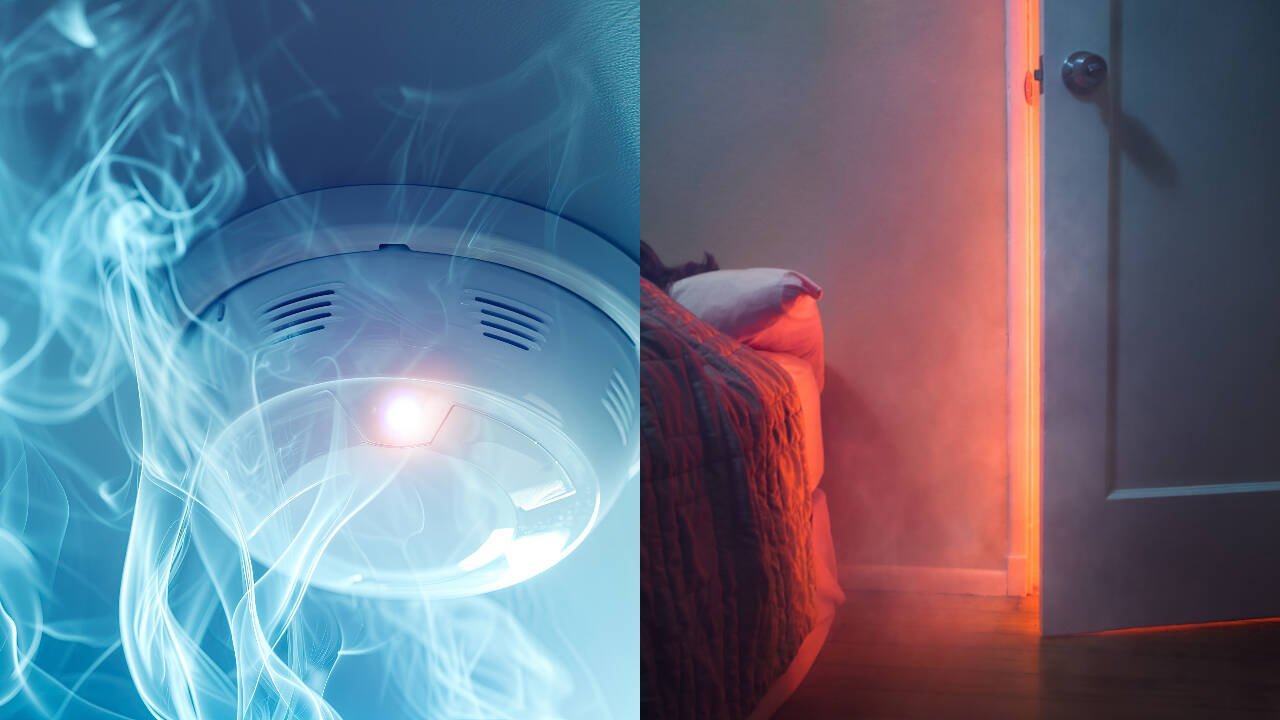
A wrongful‑death lawsuit over a fatal fire at 512 West 136th Street in Manhattan was allowed to proceed by the New York Supreme Court, Appellate Division, First Department, on November 12, 2026. The case, De Los Santos v. 512‑514 Realty LLC, centers on allegations that the property owner failed to maintain smoke alarms, the self‑closing hinges on the door of apartment 4 where the fire began, and fire‑safety training for the building superintendent.
The plaintiffs claim the sixth‑floor smoke alarm never worked and that no audible warnings were heard during the fire. The court noted that the superintendent and vice president of the property owner testified that alarms did sound, creating a factual dispute. The owner also could not prove that the alarms warned the deceased woman and allowed her to escape.
Another disputed issue is the door to apartment 4. The owner cited an expert report stating the door did not close because something was in its way, not because of hinge failure. Plaintiffs presented evidence that the door had previously failed to close automatically, and photographs taken after the fire showed the door open with nothing blocking it. The court found these conflicting accounts raised a factual question about whether the door’s self‑closing mechanism contributed to the spread of the fire.
The superintendent’s actions during the emergency were also examined. Testimony showed he opened the front entrance and basement doors, which the plaintiffs argue allowed smoke to rise into the stairwell where the woman was later found. The owner has not resolved whether the lack of fire‑safety training contributed to the death.
The appellate decision reversed a March 5, 2026 order from the New York County Supreme Court that had denied summary judgment on the negligence claim but dismissed a separate claim for negligent infliction of emotional distress. The court found insufficient evidence for the emotional‑distress claim, noting that a family member last saw the woman alive in their sixth‑floor apartment and did not witness her injured.
The November 12 ruling leaves the main negligence claims intact while removing the emotional‑distress claim, allowing the unresolved questions about alarms, door maintenance, and safety training to proceed in court.
Frequently asked questions
What was the outcome of the appellate court decision in De Los Santos v. 512‑514 Realty LLC?
The New York Supreme Court, Appellate Division, First Department, allowed the wrongful‑death lawsuit to proceed, reversed the denial of summary judgment, and removed the claim for negligent infliction of emotional distress.
What factual disputes were identified by the court regarding the 512 West 136th Street fire?
The court found disputes over whether the sixth‑floor smoke alarm worked, whether the self‑closing hinge on apartment 4’s door failed, and whether the superintendent’s actions contributed to smoke spread.
Which claim was dismissed by the appellate court?
The claim for negligent infliction of emotional distress was dismissed due to insufficient evidence.