India
World Bank Executive Calls Devolution of Power and Tax Reform Key for India
By HT News Desk
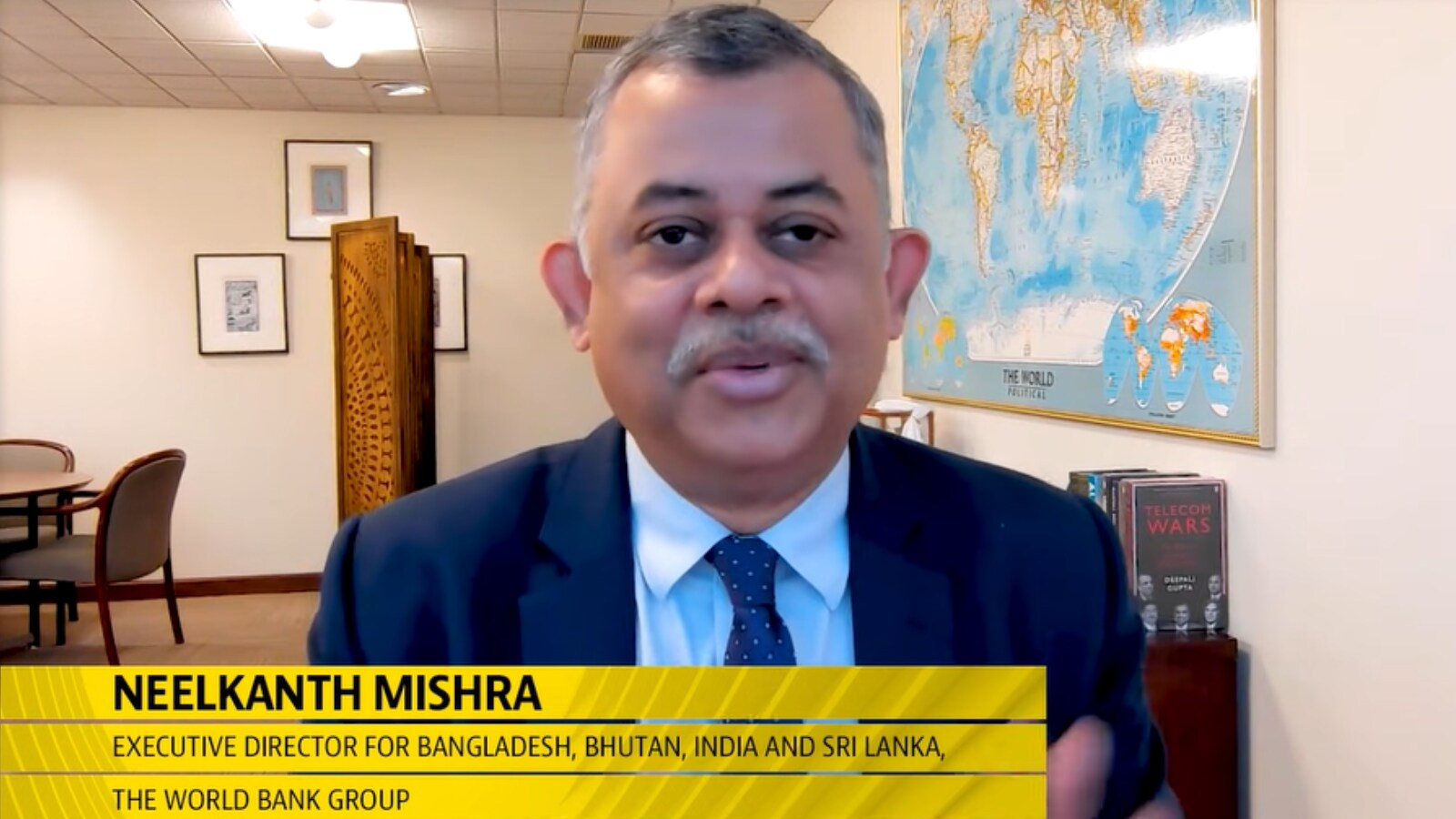
The Hindustan Times Leadership Summit 2026 opened on Thursday, November 12, with two virtual sessions. On Friday, Neelkanth Mishra, Executive Director for Bangladesh, Bhutan, India and Sri Lanka at the World Bank Group, spoke with Editor‑in‑Chief Josey John of Mint. Mishra highlighted two priority reform areas for India: the devolution of power from level‑two to level‑three governments and tax reform.
Mishra said that without proper devolution of power to municipal corporations and local governments, India’s productivity growth will be capped. He noted that Odisha has made significant progress in this area, allowing local bodies to raise revenue through charges for water, solid waste and sewage management, and to involve private capital.
He added that tax reform is the second most important reform, as it would help attract foreign capital and support sustainable growth.
Mishra also discussed India’s need to skill its youth for service jobs abroad, citing the Global Access for Talent from India (Gati) foundation and the importance of government‑to‑government contracts to manage immigration.
He warned of the problem of “economic growth without employment growth” since the 1990s, pointing to disguised unemployment in agriculture, low female labour participation and a gap compared with China and Taiwan. Mishra estimated that even with 7‑8% growth, only about 2% plus of that would translate into job creation.
The summit’s theme, “New Rules. New Realities,” reflects a world where established assumptions are being questioned and new opportunities are emerging.
Mishra’s background includes roles in the Indian government, the private sector and the World Bank, and he has served on the Economic Advisory Council to the Prime Minister and in leadership positions at UIDAI, TRAI, the India Semiconductor Mission and Axis Bank.
Frequently asked questions
What are the two priority reform areas for India highlighted by Neelkanth Mishra?
Devolution of power from level‑two to level‑three governments and tax reform.
How has Odisha progressed in devolution of power?
Odisha allows local bodies to raise revenue through charges for water, solid waste and sewage management, and to involve private capital.
What proportion of growth translates into job creation according to Mishra?
Even with 7‑8% growth, only about 2% plus of that would translate into job creation.