World
US Midterm Results Ease European Concerns, but Deep‑Rooted Policy Shifts Likely to Persist
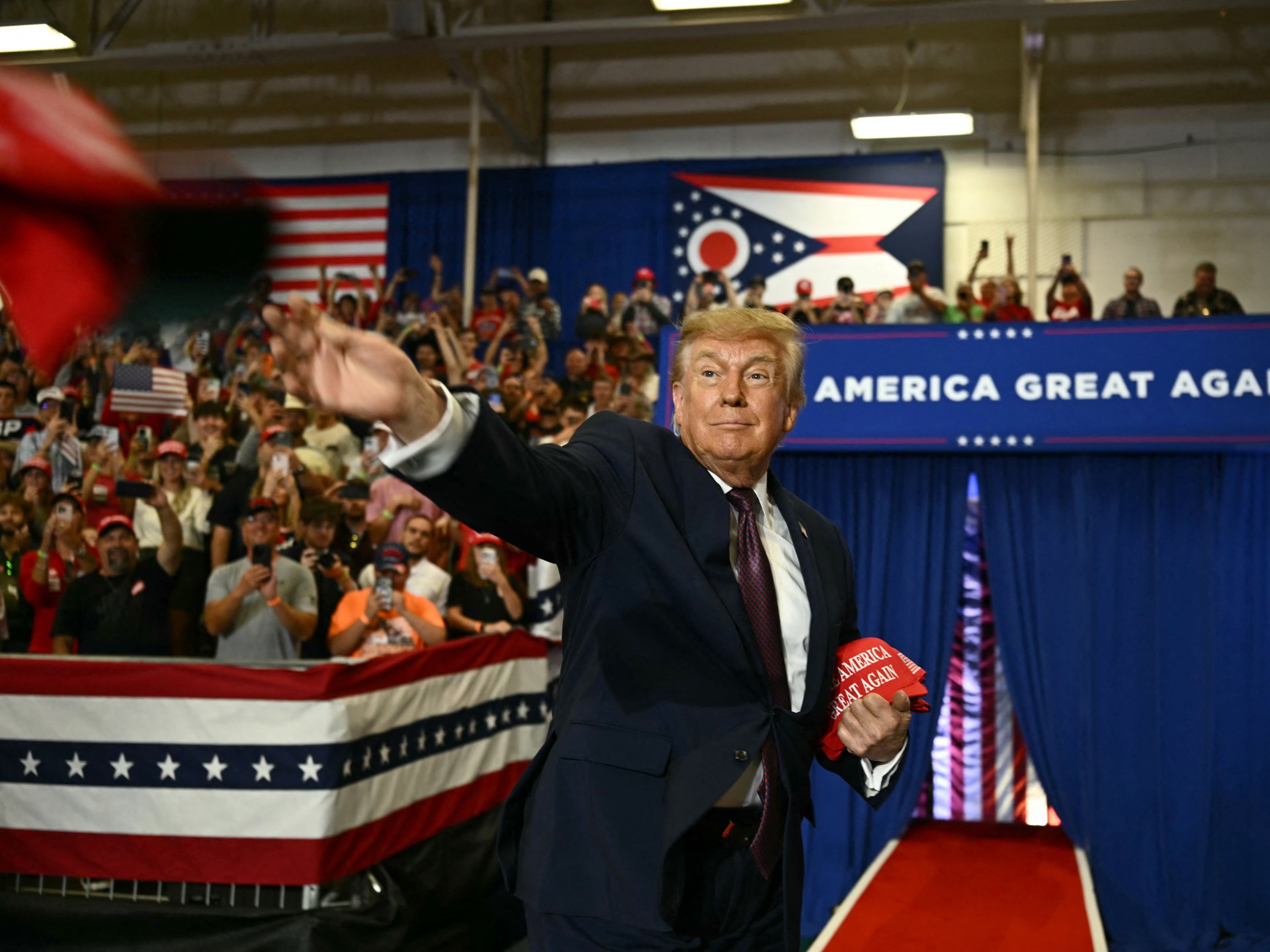
During the U.S. midterm campaign, neither party addressed European issues, and President Donald Trump’s handling of the Ukraine war, Greenland, and the EU received little attention. The Democratic Party’s recent victory could bring a Congress more friendly to Europe, yet experts warn that significant policy changes are unlikely. Erik Jones, director of the Robert Schuman Centre for Advanced Studies, said Europeans now view the U.S. with less horror than in the past two years, but the overall trend of a cooling transatlantic relationship has continued across administrations. The long‑standing assumption that Washington needed a free, prosperous, and secure Europe, while European governments relied on American security guarantees, has eroded. The shift began under Barack Obama, whose administration reoriented toward Asia, and has been accelerated by Trump’s America First approach, including criticism of NATO, threats over Greenland, and a more conciliatory stance toward Russia. A Democratic‑controlled Congress will have more power over spending, legislation, and oversight, but the president will retain considerable foreign‑policy authority. Fredrik Erixon, economist and director of the European Centre for International Political Economy, noted that while Democrats lack a veto‑proof majority, they may still influence U.S. policy on Ukraine, Iran, and tariffs. The Iran conflict, which has raised global energy prices, offers no easy solution; Trump could either negotiate a deal or resume military action, both unpopular with voters. European allies face a cost‑of‑living crisis and protests. Some Democrats have considered using a government‑funding bill to block Iranian war funding, a move popular with anti‑war lawmakers. In Ukraine, the new Congress may increase support for Kyiv, but the two‑month window before its inauguration could allow Trump to pursue talks with Putin, raising concerns among Ukrainian officials. Democrats are also likely to focus on domestic social services and economic conditions. A weakened Trump may seek to demonstrate strength abroad, potentially leading to an even less predictable foreign policy. Trump recently announced a forthcoming “big, beautiful agreement” on Ukraine that could involve all of Europe, ahead of trilateral talks in Abu Dhabi that have yet to yield progress. Michele Valensise, president of the Institute for International Affairs, stressed the importance of European involvement in negotiations to end Russia’s war in Ukraine. The Pentagon is expected to finish its review of U.S. forces in Europe next month, which could influence the size and distribution of its footprint. On tariffs, Democrats have become more protectionist, while Republicans were historically free‑trade proponents; Trump’s first administration blurred that line. Even if U.S. courts strike down some tariffs, Europe may see little immediate relief. The trade agreement between Washington and Brussels involves commitments from both sides, not unilateral U.S. tariffs, and Erixon said it would not be renegotiated in the next two years. Jones concluded that the question is not whether the Democrats’ victory will improve relations, but what Europeans will do with the time the election has given them. He urged Europe to prepare for a future in which the U.S. will care even less.