Climate & Environment
Hyderabad’s Deepavali Fireworks Push Air Quality to Hazardous Levels
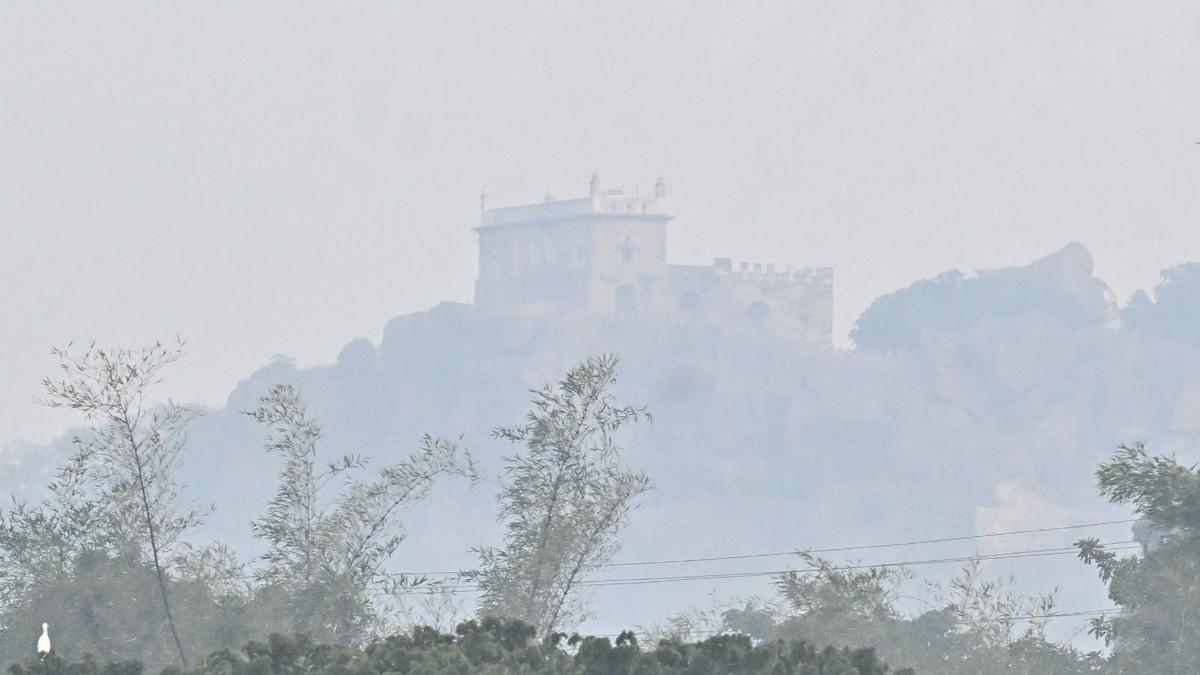
Hyderabad woke to a grey, smoggy morning on Monday, November 9, 2026, a day after a Big Bang Deepavali celebration that continued until 3 a.m. in central localities such as Banjara Hills, Srinagar Colony, Panjagutta, S.R. Nagar, Ameerpet and Somajiguda. During the night, particulate matter 2.5 (PM 2.5) rose to 392 µg/m³ at 9:30 p.m., and the Air Quality Index (AQI) averaged 509. In Ravi Colony near Masjid Banda, the AQI reached 995 as crackers exploded. Public pollution monitors supplied the data because Telangana Pollution Control Board (TSPCB) monitors were out of order amid the rising pollution; the TSPCB University of Hyderabad station went offline by 10 p.m. The air carried a metallic, sulphurous smell from the fireworks. A social media user described the scene: “For the first time in Hyderabad, I’m experiencing air pollution this bad. My eyes are burning, the air is thick with the stench of burnt chemicals and gunpowder, and breathing itself feels uncomfortable. It’s only 10 PM. The entire colony is still out, relentlessly bursting crackers. The roads are covered in the remains of firecrackers, and this photograph captures barely a fraction of the mess.” The high AQI readings were spread across the city as a 20‑degree‑C wind blew from the north‑east. Pollution peaked at 9:30 p.m. and then fell gradually. At 11:30 p.m., the city’s average AQI was 442, while Serilingampally recorded 666. By morning, the AQI remained hazardous at 178, with PM 10 at 113 µg/m³. Published – November 09, 2026 08:54 a.m. IST
Frequently asked questions
What were the peak PM2.5 levels during Hyderabad's Deepavali fireworks?
392 µg/m³ at 9:30 p.m.
What was the highest AQI recorded during the fireworks?
995 in Ravi Colony near Masjid Banda.
Which neighborhoods in Hyderabad experienced the fireworks?
Banjara Hills, Srinagar Colony, Panjagutta, S.R. Nagar, Ameerpet, Somajiguda, Ravi Colony near Masjid Banda, and Serilingampally.