Climate & Environment
Pune Sees 44% Rise in PM2.5 and 63% Rise in PM10 Levels in October 2026 Compared to 2025
A study by scientists at the System of Air Quality Forecasting and Research (SAFAR) at the Indian Institute of Tropical Meteorology (IITM) in Pune found that particulate pollution levels were significantly higher in October 2026 than in the same period of 2025. Across eight SAFAR Pune network stations, PM2.5 concentrations increased by 43.8 % and PM10 concentrations by 63.4 % when comparing matched dates with complete 24‑hour records. The rise occurred despite Diwali falling within the 2025 comparison period.
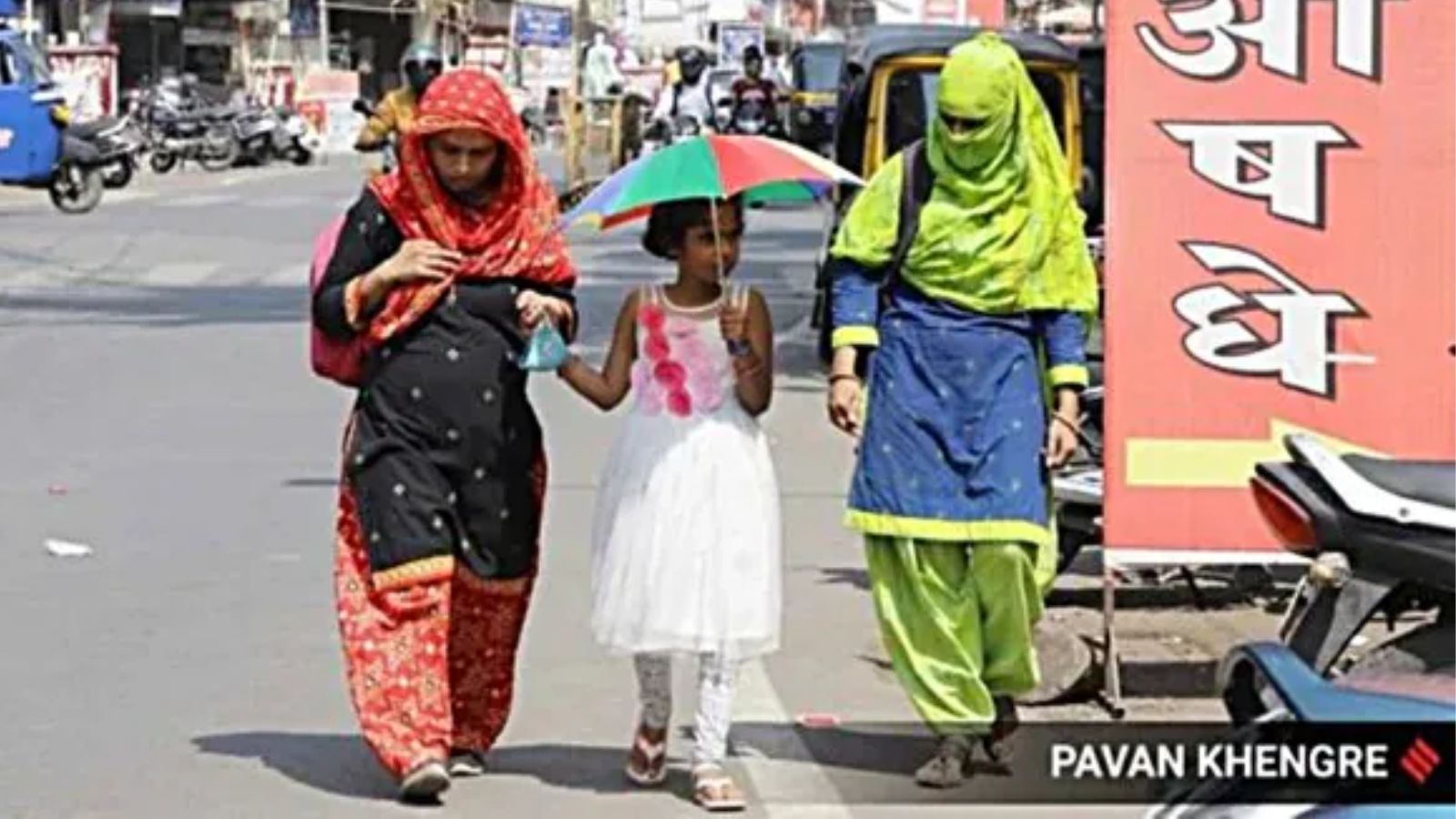
Rainfall data from SAFAR stations at Pashan and Shivajinagar showed markedly lower precipitation in 2026. At Shivajinagar, the average daily maximum temperature rose from 31.55 °C to 34.91 °C during the matched dates, and wind speeds were lower in 2026. Dr. Sachin Ghude, scientist in charge at SAFAR IITM Pune, told The Indian Express that higher particulate pollution coincided with hotter temperatures, reduced rainfall and weaker winds.
Scientists explained that rainfall helps remove airborne particles and suppresses dust resuspension, while winds aid pollutant dispersion. Reduced rainfall and weaker winds can therefore limit removal and dispersion, allowing pollution to persist.
Shweta Vernekar, Senior Programme Associate with Parisar, a city‑based NGO, noted that October 2026 has seen a consistent trend of high Air Quality Index (AQI) values, with only three days falling in the satisfactory category and all others in the moderate category. The average AQI for October 2025 was 87, compared with 116 in October 2026. In 2025, PM10, PM2.5, CO and ozone were the dominant pollutants; in 2026, PM10 remained dominant with only one day of ozone.
Vernekar attributed the spike to increased construction activities, road dust, burning of fossil fuels and vehicular emissions.
Manoj Kumar, analyst with the Centre for Research on Energy and Clean Air, said Pune is among the National Clean Air Programme (NCAP) cities that have not met either the revised target of a 40 % reduction in PM10 levels or the annual National Ambient Air Quality Standard (NAAQS) of 60 µg/m³. Although PM10 levels declined in the initial years after NCAP’s launch in 2019, they rose again to nearly pre‑NCAP levels by 2025‑26. The government has identified construction activity, resuspended road dust, biomass and waste burning, industrial activity and vehicular emissions as key contributors to the city’s PM10 pollution.
Kumar said Pune’s experience highlights the need for targeted action on pollution sources, stronger enforcement and accountability based on actual improvements in air quality.