Business & Finance
Oracle Caps AI Financing at $20 Billion Through 2030, Targets Positive Cash Flow by 2028
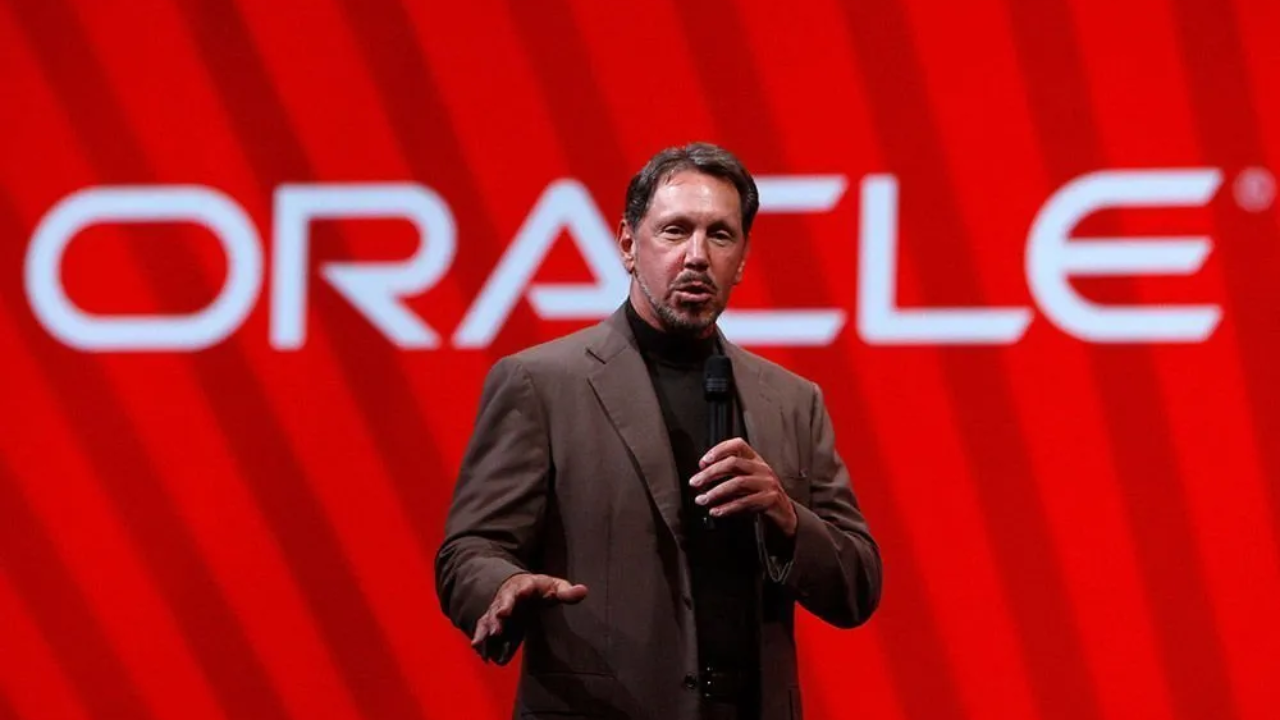
Last month, Oracle announced that it will not raise more than $20 billion in additional financing for artificial‑intelligence projects through fiscal 2030. The pledge was intended to reassure investors that the company, led by Larry Ellison, will not require ever‑larger sums of outside money to fund its aggressive data‑center buildout. During the company’s investor day in Las Vegas, CFO Hilary Maxson said Oracle also expects free cash flow to turn positive in the second half of fiscal 2028. She added that free cash flow could top $30 billion in fiscal 2029 as capital spending declines.
Emarketer analyst Jacob Bourne, quoted in a Reuters report, said: “Oracle is trying to show investors that there's a method to the madness of its massive AI infrastructure spending.” Bourne added that, “Though the projections are ambitious and far from guaranteed, they demonstrate an understanding of investors' concerns and offer an optimistic path toward addressing them.”
Oracle has become a concern for investors because it does not have the large and steady revenue streams of cloud giants such as Microsoft and Amazon. It also depends heavily on OpenAI, the ChatGPT maker that is still losing money. The deal with OpenAI has added hundreds of billions of dollars in future cloud business to Oracle’s order book, but building the data centres and other infrastructure needed to meet these commitments has pushed Oracle to rely heavily on borrowing money and selling shares.
In October, Oracle said it plans to reduce its initial spending by using vendor financing, hardware provided by customers and advance payments from customers. These steps are expected to help the company manage its cash needs until it starts generating positive free cash flow. The company also expects to stop depending on external funding for its growth from fiscal 2029. It forecasts that its net debt will fall to less than 3.5 times its annual core earnings that year.
Earlier this year, Oracle said it planned to raise $40 billion through debt and stock sales during the current financial year, including a $20 billion stock sale that it completed in the first quarter. As of August 31, Oracle had $125.34 billion in debt and other borrowings, while its cash and cash equivalents stood at about $36.37 billion.
Maxson said: “I’ve told you we need an additional up to $20 billion in funding for the remainder of our fiscal 2027. We’re announcing that this $20 billion, split evenly between debt and equity, is the final amount needed to fund the remainder of this cycle.”
Frequently asked questions
How much additional financing will Oracle raise for AI projects through fiscal 2030?
Oracle will not raise more than $20 billion in additional financing for artificial‑intelligence projects through fiscal 2030.
When does Oracle expect free cash flow to become positive?
Oracle expects free cash flow to turn positive in the second half of fiscal 2028.
What is Oracle's forecast for net debt relative to core earnings in fiscal 2029?
Oracle forecasts that its net debt will fall to less than 3.5 times its annual core earnings in fiscal 2029.