Technology
Denmark Engineers Capture AI Data Centre Heat for District Heating
By Nick Clark
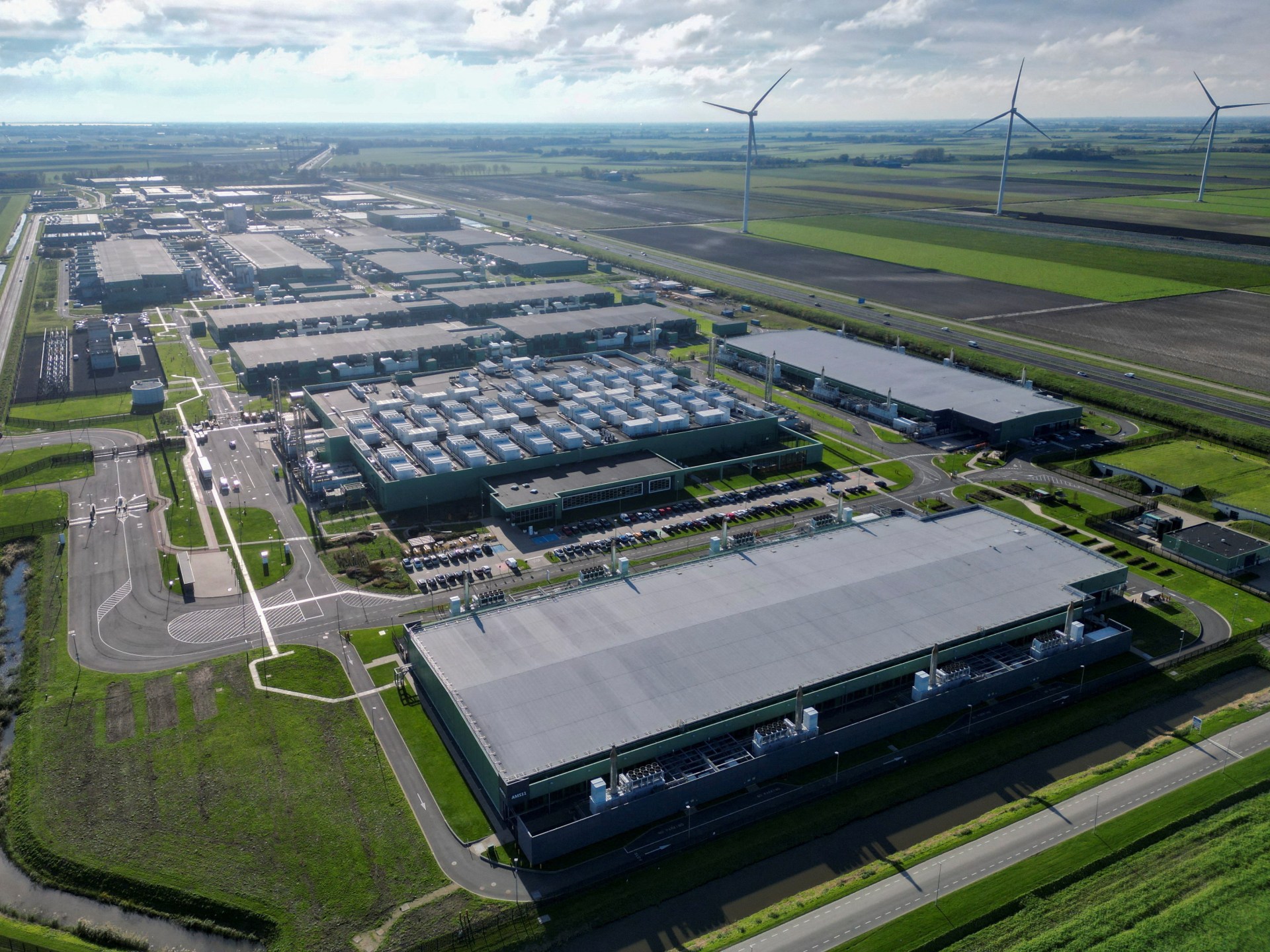
Engineers in Denmark have developed a system that captures the waste heat from AI data centres and feeds it into the municipal district heating network. The Bitten supercomputer, launched in May at the University of Southern Denmark in Sonderborg, uses advanced liquid cooling designed by Danfoss to absorb all of the heat generated by its processors. The hot coolant is then routed to the town’s heating system, helping 75,000 residents stay warm.
Kristian Strand, president of Danfoss Climate Solutions, explained to Al Jazeera that every data‑centre operation—whether taking a picture or uploading a document—produces heat that must be removed. With the waste‑heat recovery system, the process ends with a tap of hot water that can be used for heating homes or industrial processes.
Danfoss estimates that the heat wasted by industrial processes across Europe in one year could power the entire city of Paris for 48 years. In the United States, about 4,000 data centres consume 5 percent of the nation’s electricity, but little heat is recovered because there are few places to use it.
Jan Rosenow, professor of energy and climate policy at the University of Oxford, said Scandinavia is leading in capturing waste heat. He cited Meta’s data centre in Odense, Denmark, which recovers around 100 GWh a year—enough for 6,900 homes—and Stockholm, Sweden, which has fed data‑centre heat into its network since 2014.
Danfoss is also exploring other waste‑heat sources, such as supermarket refrigeration, factories and wastewater treatment plants. At Sonderborg Hospital, engineers replaced two gas boilers with a heat‑pump system that captures waste heat from MRI scanners and temperature‑control systems. The hospital is now energy independent for nine months a year and can feed heat back into the district heating network, saving significant heating costs.
Strand said the technology offers a large opportunity to save energy and reduce carbon emissions. "Putting that energy to use reduces reliance on fossil fuels while also making business sense," he said.
As the AI boom continues and new data centres come online—each demanding enough electricity to power a small city—Danfoss believes its waste‑heat technology could help ease the growing demand that is stretching global supply.
Frequently asked questions
How does the Bitten supercomputer capture waste heat?
It uses advanced liquid cooling designed by Danfoss to absorb all heat generated by its processors, then routes hot coolant to the town’s heating system.
How many residents benefit from the waste heat system in Sonderborg?
The system helps 75,000 residents stay warm.
What potential does Danfoss estimate for industrial heat waste in Europe?
Danfoss estimates that the heat wasted by industrial processes across Europe in one year could power the entire city of Paris for 48 years.