Politics
Democrats Gain Momentum with Economic Populist Surge in 2026 Midterms
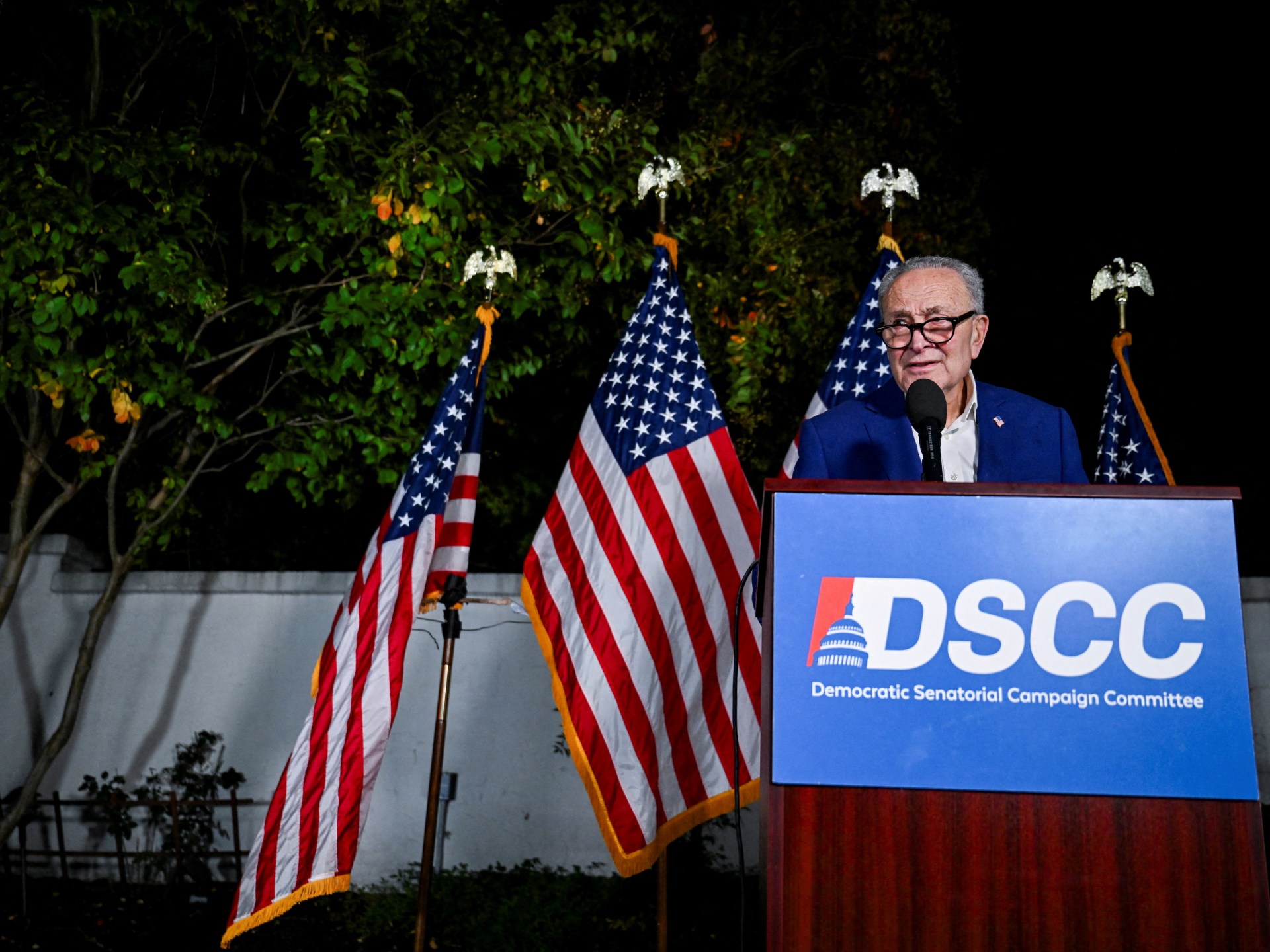
In the 2026 U.S. midterm elections, voters’ rejection of Trumpism has given the Democratic Party a renewed opportunity, but the party must not squander it. Analysts note that the so‑called “blue tsunami” reflected a backlash against President Donald Trump rather than a newfound enthusiasm for Democrats. If the party fails to capitalize on this moment, it risks facing similar anti‑incumbent sentiment in the next election cycle.
The Democratic Party’s past reliance on neoliberal policies has been cited as a key factor in the conditions that enabled Trump’s rise and has hindered the party’s ability to counter him over the past decade. However, the 2026 cycle differed markedly. A significant number of Democrats began to “suck less,” adopting a more populist stance that resonated with working‑class voters.
A wave of progressive economic populist candidates emerged, explicitly challenging powerful corporations and positioning themselves as defenders of working‑class interests. This insurgency within the party gained traction during the cycle. The left’s electoral insurgency had a delayed start compared to the GOP’s earlier Tea Party movement, which began in 2008 and led to the unseating of GOP House Speaker Eric Cantor in 2014 and set the stage for Trump’s candidacy.
The left’s first major populist push came with Occupy Wall Street in 2011, framing a class conflict narrative that highlighted the 99% versus the 1%. Although the movement was largely non‑electoral, Senator Bernie Sanders’ 2016 presidential campaign brought its core message into the electoral arena. It was not until the 2018 midterms, with the election of Representative Alexandria Ocasio‑Cortez and the “Squad,” that the left’s insurgency matched the GOP’s earlier momentum.
Since then, independent progressive organizations—Justice Democrats, the Working Families Party, Democratic Socialists of America, the Sunrise Movement, and local groups such as PA Stands Up and PA United—have built capacity to recruit and support working‑class candidates. Over the past decade, this grassroots organizing has eroded the Democratic establishment’s monopoly on candidate recruitment.
The 2026 midterms saw a notable increase in working‑class candidates for Congress, reflecting a shift in what voters consider a winning message. Over the past decade, voices in Congress and on the campaign trail have championed reforms popularized by Sanders, including Medicare for All, affordable housing and childcare, AI regulation, and wealth taxes.
Trump’s second presidential victory in 2020 weakened median Democratic voters’ confidence in party leadership, exposing a narrative that the party’s “electability” rhetoric was ineffective. The loss of working‑class, Black, and Latino voters further highlighted the failure of the affluent suburban swing‑voter strategy promoted by leaders like Chuck Schumer.
In 2025, Democratic Socialist Zohran Mamdani launched a compelling mayoral campaign in New York City, winning the Democratic nomination and the election with a focus on affordability. Mamdani’s success, alongside Bernie Sanders and Alexandria Ocasio‑Cortez’s national “Fighting Oligarchy” tour, energized the base and underscored the viability of economic populism.
On the eve of the 2026 midterms, economic populism became the dominant narrative, with many Democratic candidates and officeholders emphasizing affordability and working‑class concerns. Party leadership, while still unpopular, largely refrained from undermining this momentum.
Some analysts argue that the Democratic Party’s past failure to connect with working‑class voters stemmed from its reluctance to challenge the interests of billionaires and powerful corporations that provide significant campaign contributions. Others, drawing on sociologist Max Weber, suggest that political operatives are constrained by the elite cultural milieu in which they operate.
It has taken a decade since Trump’s first victory for economic populism to penetrate the liberal consultant class and reach a critical mass of Democratic candidates who understand the changing economic landscape and the hardships many Americans face.
Bernie Sanders’ 2016 campaign was not ahead of its time; it accurately read the political climate. The 2026 midterm results, therefore, reflect both a repudiation of Trump and the beginning of a Democratic Party transformation toward a working‑class agenda.
The results do not guarantee lifelong loyalty to the Democratic Party, but they provide a chance for the party to deliver on improving people’s lives. The author’s views are personal and do not necessarily reflect Al Jazeera’s editorial stance.