World
Iran Sees Trump’s Midterm Loss as Advantage in Ongoing War Talks
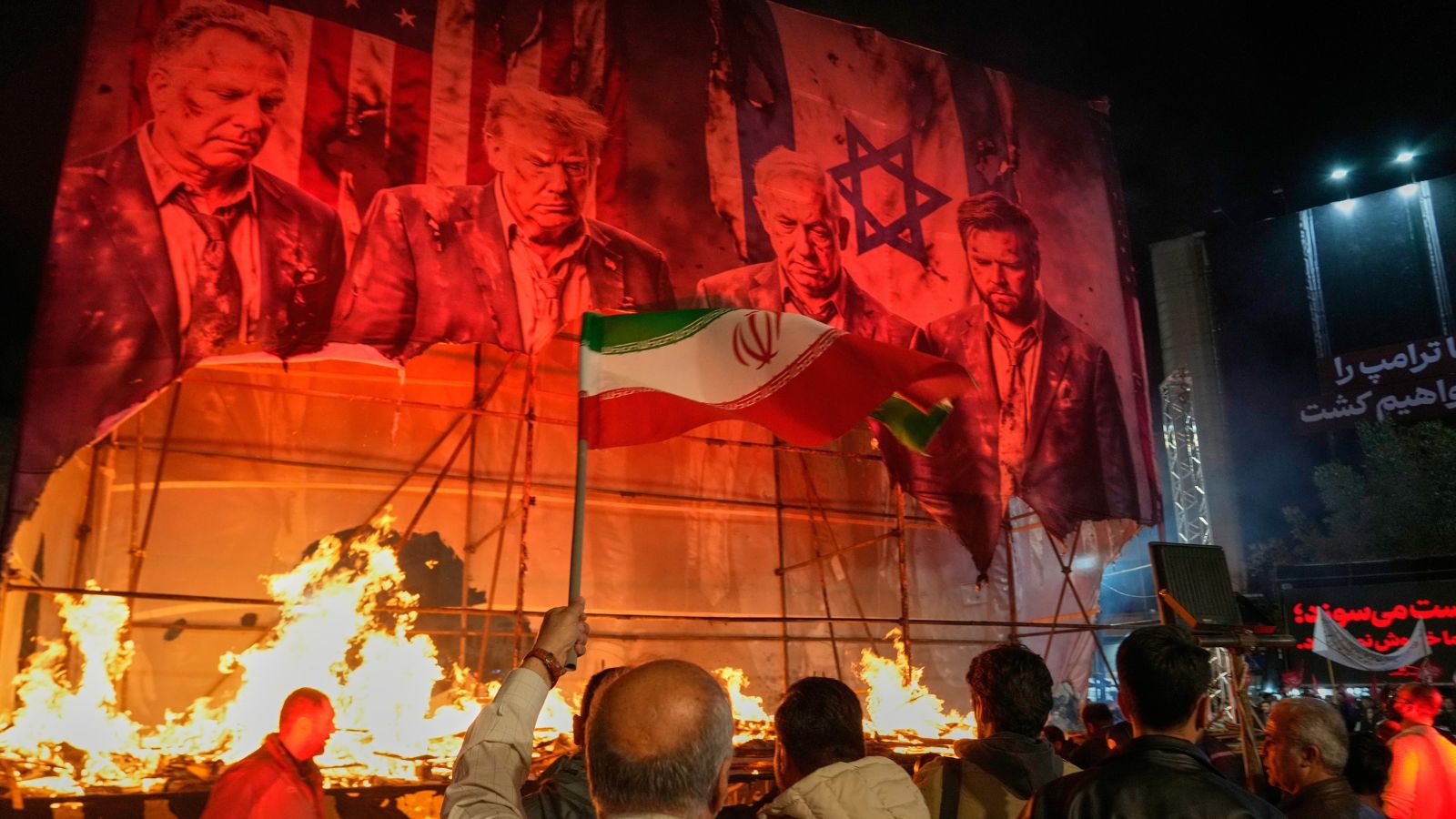
The United States midterm elections, which resulted in a significant defeat for President Donald Trump’s Republican Party, attracted close attention from Iran, the country’s chief rival. Trump and his deputy, JD Vance, both attributed the electoral setback to the ongoing war with Iran. Iranian hardliners argue that the war has cost Trump more at home than it has yielded abroad, and they view the election loss as a signal that the U.S. should demand more concessions in any peace deal.
Iran security council chief Mohsen Rezaei posted on X on November 7, 2026, listing senior U.S. officials—Vance, Rubio, and Hegseth—and stating that each was either leaving or had been dismissed. He asked which Washington officials Iran should now address, concluding that “you lost the war and the election” and warning that any new war would provoke a severe response.
CNN reports that this perspective is echoed across Iranian politics and media, with some voices calling for a “new world order” that would elevate Iran’s regional standing. The significance lies in the fact that Iran and the United States are engaged in indirect talks, mediated by Qatar, about ending a war that has lasted eight months.
Iran’s hardliners want the U.S. to hold firm in negotiations and refuse any compromise. They claim Iran has already won the war and that Trump’s domestic defeat confirms this. Supreme Leader Mojtaba Khamenei echoed this view on Wednesday, warning against any appearance of concession and suggesting that the war is laying the groundwork for a new world order.
Trump has said on Fox News that the war contributed to his party’s defeat. Vance elaborated on X, stating that the war was the reason for the loss. He described how data analysts had focused on voter turnout and composition, noting that while turnout was adequate, many Trump voters in 2024 had shifted to Democrats in 2026. Vance cited polling that predicted a 13‑point loss on the generic ballot, attributing it to voters’ anger and a desire for an end to the war, economic concerns, a focus on “America First,” and a change in the U.S. relationship with Israel.
Iranian conservatives interpret these statements as evidence that the war harms Trump domestically. Hamidreza Azizi of the International Crisis Group told CNN that Tehran sees the election as support for its approach and that its demands are likely to become tougher. Azizi said Trump cannot declare the war over without securing concessions from Iran on its nuclear program, or by achieving a decisive military strike.
Iran’s leaders also seek a deal that would increase the country’s regional influence. Sina Toossi of the Center for International Policy said Iran wants neighboring states to recognize that their security cannot rely solely on U.S. military power. Iran has set seven conditions for reopening the Strait of Hormuz, including an end to the war, compensation for damages, withdrawal of U.S. forces, and an end to sanctions. It is unclear whether Washington will accept these terms.
The war has exacted a heavy toll on Iran, with U.S. and Israeli actions killing former Supreme Leader Ali Khamenei’s aides and scientists, and a U.S. sea blockade and renewed sanctions harming the economy. Toossi noted that Iran’s leaders are reluctant to give up leverage without lasting gains.
Negotiators have been traveling between Tehran and Doha, where Qatar is attempting to bridge gaps. The goal is a deal that opens talks on Iran’s nuclear program and ends the war. A regional official told CNN on Thursday that the likelihood of a new war has decreased since the vote, though a fresh round of fighting remains possible. Trump had stated in October that the U.S. would not strike Iran before the midterms, and he has not clarified post‑election actions. The U.S. struck Qeshm Island several times in the past week, including Thursday night, but both sides have downplayed the strikes, suggesting an effort to preserve the talks.
Trump told reporters he would prefer not to destroy the rest of the country, but “maybe I’ll have to,” adding that the outcome would become clear soon. Qatar reported that Trump spoke by phone with its emir on Friday about calming the conflict. Earlier, Iran’s Foreign Minister Abbas Araghchi spoke with counterparts in Saudi Arabia, the UAE, Oman, Pakistan, Kuwait, Jordan, Turkey, Cyprus, and Qatar.