World
Taiwan Voters Set to Decide on Nuclear Power Revival Amid Rising Energy Demands
By Heba Habib
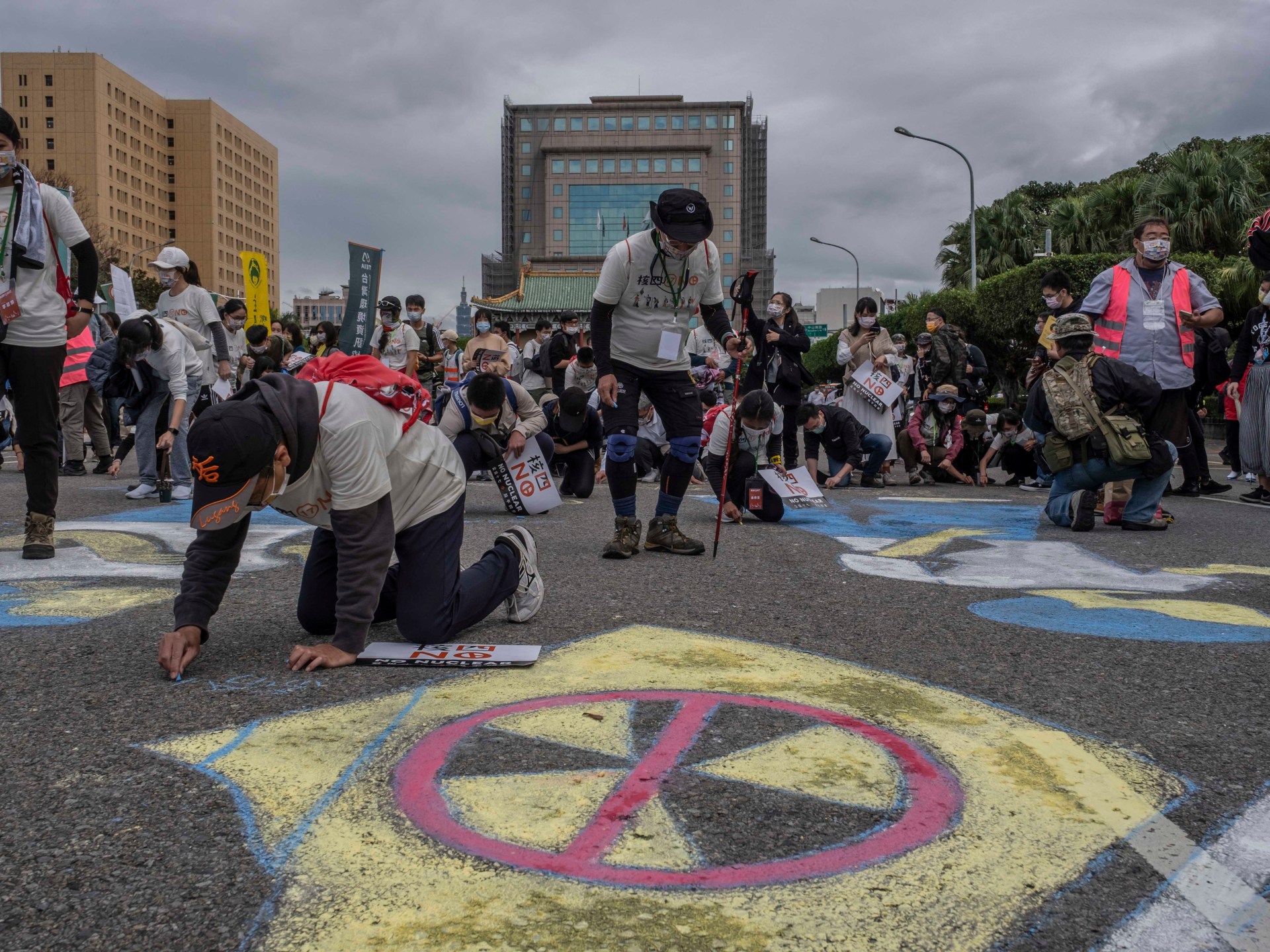
On Saturday, Taiwanese voters will decide whether to end the island’s ‘nuclear‑free homeland’ policy and bring nuclear power back into the energy mix. The referendum, held alongside local elections, is the fourth vote on nuclear power in eight years. Voters are asked if the government should re‑introduce nuclear power to boost the economy, which would mean abolishing the longstanding policy that has kept all nuclear reactors shut since the last one at Maanshan was closed in May 2023.
The referendum was proposed by the opposition Kuomintang (KMT) and supported by the Taiwan People’s Party (TPP). The legislature approved it in August and the Central Election Commission signed it off on August 28. To pass, ‘yes’ votes must outnumber ‘no’ votes and exceed a quarter of all eligible voters. The ruling Democratic Progressive Party (DPP), which has long pledged to phase out nuclear power, is urging a ‘no’ vote. DPP legislator Chen Pei‑yu said the referendum is unnecessary, arguing that lawmakers could amend existing laws instead.
Taiwan’s reliance on nuclear power has a long history. In 1985, three nuclear plants supplied 52 % of the country’s electricity. The issue became highly partisan, with the DPP’s environmentalist wing opposing nuclear power and the KMT building the industry. Safety concerns intensified after the 2011 Fukushima disaster, and the DPP has governed since 2016 on a pledge to phase out nuclear power.
Public opinion has been mixed in previous referendums. In 2018 voters scrapped a legal deadline for phasing out nuclear power, but in 2021 they rejected restarting construction on an unfinished fourth plant. A 2022 majority vote to restart Maanshan was voided due to low turnout.
The current debate is driven by surging electricity demand from Taiwan’s semiconductor and AI industries and growing fears about energy security. Taiwan imports more than 97 % of its energy; natural gas provides about 43 % of electricity and coal about 35 %. The island has only about 11 days of liquefied natural gas (LNG) in reserve, compared with 14–20 days for Japan and South Korea. The war with Iran has disrupted LNG shipments from the Middle East.
The DPP has begun to shift its stance. In March, President William Lai Ching‑te said the government would start the process of restarting Maanshan and Kuosheng plants, citing AI‑driven demand and foreign conflicts. On September 24, the Nuclear Safety Commission approved Taipower’s restart plan for Maanshan, though further safety assessments are required.
Taiwan’s semiconductor industry is a critical part of the global AI supply chain, producing more than 90 % of the world’s advanced chips, mainly at Taiwan Semiconductor Manufacturing Company (TSMC). In September, the industry used more than 4.5 billion kilowatt‑hours of electricity, an 11.55 % increase from the previous year, driven by AI demand. TSMC alone used about 8 % of Taiwan’s electricity in 2023, a share that could rise to nearly 24 % by 2030.
China has not commented on the referendum itself, but it has used Taiwan’s energy vulnerability in its messaging. Beijing has suggested that closer integration could solve Taiwan’s energy problems, a claim rejected by Taipei. The referendum concerns civilian power reactors, not weapons. Taiwan’s nuclear weapons program was shut down in 1988 after a scientist defected to the United States.
Analysts are skeptical that the referendum will pass. The outcome will depend on whether DPP supporters, particularly green voters, change their position. If it does pass, the restart process is already underway and reactors could be operational within 18 months to three years, though opponents warn it could take five to ten years and cost several hundred billion New Taiwan dollars.
Results are expected on Saturday night.
Frequently asked questions
What is required for the referendum to pass?
Yes votes must outnumber no votes and exceed a quarter of all eligible voters.
Which parties proposed and supported the referendum?
The opposition Kuomintang (KMT) proposed it and it was supported by the Taiwan People’s Party (TPP).