Technology
Bezos Envisions AI‑Driven Three‑Day Workweeks and Potential Labor Shortages
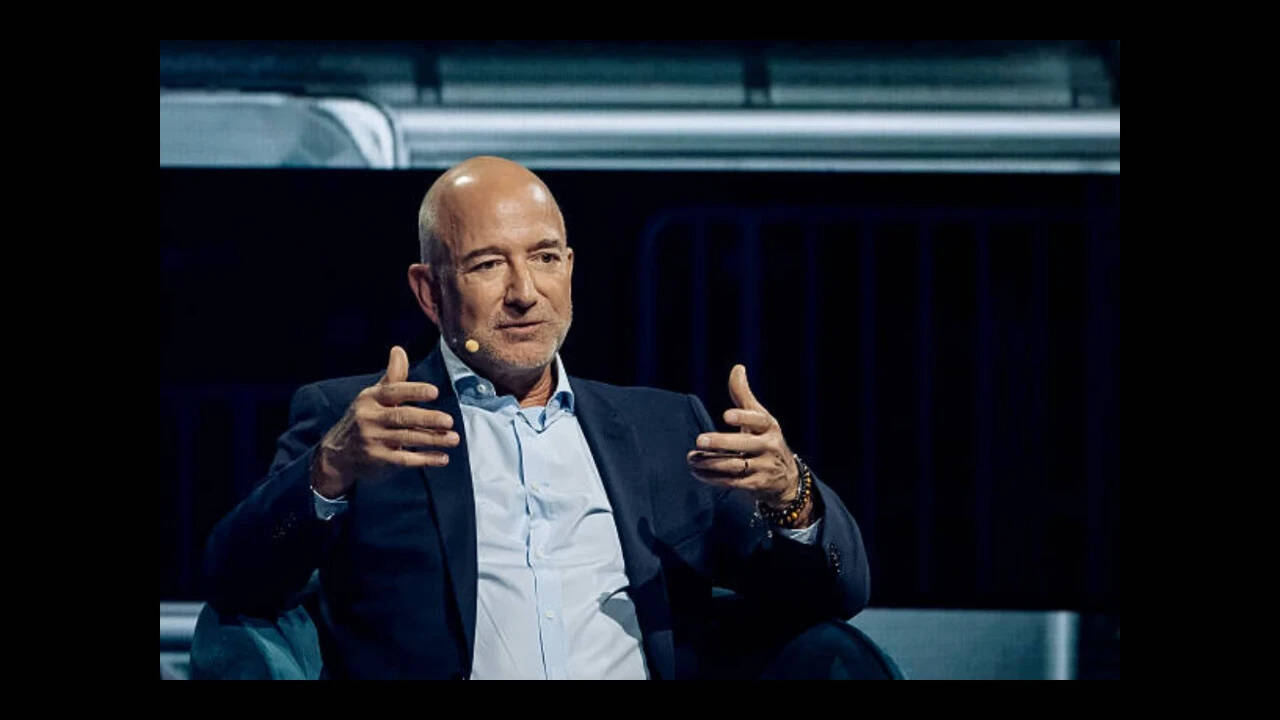
Amazon founder Jeff Bezos said artificial intelligence could enable many people to work only three days a week while still supporting their families, arguing that rapid productivity gains may change how people think about employment. In a recent Fox News interview, Bezos explained that AI‑driven productivity could allow workers to earn enough income with significantly reduced hours. “Some people will decide, ‘I can support my family working three days a week.’ That’s what productivity in the economy means,” he said.
Bezos painted an optimistic picture of an AI‑powered economy in which higher productivity generates greater wealth and gives people more flexibility in deciding how much they work. He said advances in AI could even create labour shortages rather than widespread unemployment. "You’re not going to need to have a two‑earner household. If you want it, fine. If you don’t want to have it, one of the people might drop out," Bezos added. He also noted that employers might find it harder to recruit workers if people can meet their financial needs with less work.
While optimistic about AI’s long‑term impact, Bezos acknowledged that the technology presents challenges for investors trying to identify which companies will emerge as winners. When asked whether the current AI boom resembles a bubble, he said it was difficult to tell. "What I do know is the technology is real. I think this is a good thing for society," he said, warning that distinguishing between strong and weak AI businesses remains difficult during periods of heavy investment.
Amazon is investing billions in data centres and cloud‑computing capacity to support growing demand for AI services, while also reducing thousands of corporate roles over the past year. Blue Origin, Bezos’s space company, could also benefit from AI‑related growth through plans for space‑based infrastructure and data centres beyond Earth.
Other technology leaders have made similar predictions. Nvidia CEO Jensen Huang has suggested AI could make a four‑day workweek commonplace, JPMorgan Chase CEO Jamie Dimon has said workers may one day work around three‑and‑a‑half days a week, and Microsoft‑backed billionaire Bill Gates has floated the possibility of a two‑day workweek. Tesla and SpaceX chief Elon Musk has argued that AI and robotics could eventually create a world of "universal high income" where employment becomes optional for many people.
Bezos’s comments add to a growing debate across the technology industry about whether artificial intelligence will transform jobs or dramatically reduce humanity’s need to work at all.
Frequently asked questions
What did Jeff Bezos say about AI and workweeks?
He said AI could allow many people to work only three days a week while still supporting families, due to productivity gains.
How is Amazon investing in AI?
Amazon is investing billions in data centers and cloud computing capacity to support AI services, while also reducing thousands of corporate roles over the past year.
What other tech leaders have made predictions about AI and workweeks?
Nvidia CEO Jensen Huang suggested a four‑day workweek, JPMorgan Chase CEO Jamie Dimon said workers may one day work around 3.5 days a week, Bill Gates floated a two‑day workweek, and Elon Musk argued AI could create a world of universal high income.