Politics
AIPAC’s Midterm Spending: Majority of Funds Went to Losing Candidates
By Umar Farooq
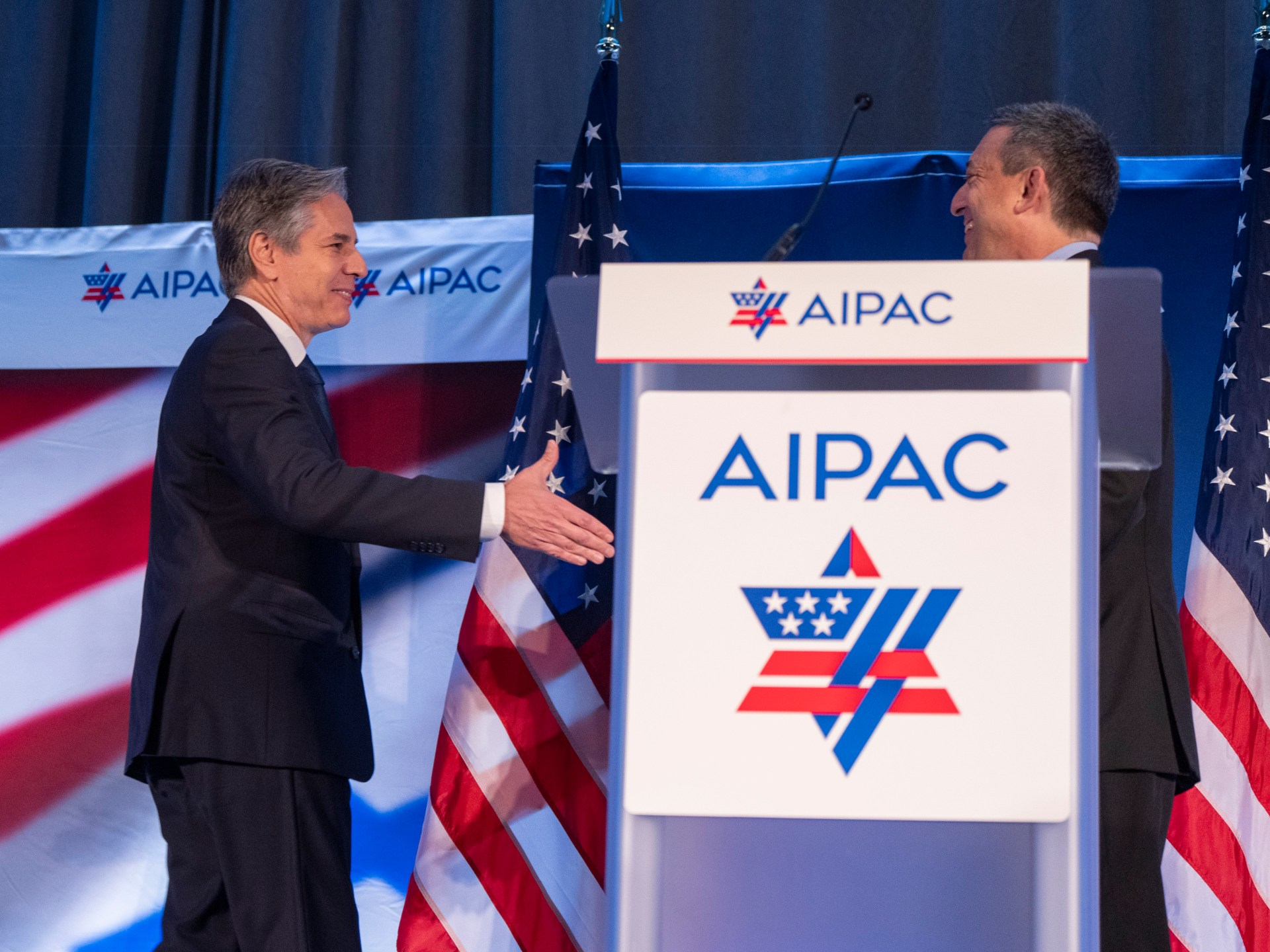
AIPAC and its affiliated groups spent $84 million in the November 3 midterm elections, backing 234 candidates across both parties. While the group’s support helped win 21 of 26 races where it spent more than $100,000, nearly two‑thirds of the money—about $55 million—went to candidates who lost, according to a tally by the Quincy Institute for Responsible Statecraft.
James Talarico, who won a U.S. Senate seat in Texas, famously rejected AIPAC funding, stating, “I’ve never taken money from AIPAC, and I’m not taking money from AIPAC in this campaign.” He won by more than 12 percentage points, while pro‑Israel groups gave modest support—around $6,000—to his opponent, Ken Paxton.
Rina Shah, a geopolitical adviser and former senior GOP congressional aide, told Al Jazeera that GOP candidates are now more cautious about accepting AIPAC money. “A few years ago, taking AIPAC support was a no‑brainer for most GOP candidates,” she said. “Now, with a younger, more America‑First wing asking hard questions about foreign entanglements, and Gaza weighing on voters across the spectrum, it’s become a real topic, not a niche one.”
AIPAC announced in October that it would stop endorsing candidates and making direct contributions after this election cycle. Much of its spending already flows through affiliated PACs, such as its super PAC, the United Democracy Project (UDP), making donations harder to track.
The most high‑profile loss involved AIPAC‑backed Representative Haley Stevens in Michigan. The group and its PACs spent roughly $30 million on Stevens, who lost the Democratic primary, and an additional $9 million on Republican Mike Rogers, who was defeated by Abdul El‑Sayed, a critic of Israel who called for the U.S. to stop funding the country. El‑Sayed thanked AIPAC in his victory speech, saying, “Thank you for giving me the opportunity to beat you twice.”
In Maine, AIPAC‑linked groups gave more than $4.8 million to Senator Susan Collins’s re‑election campaign, but Collins lost to Democrat Troy Jackson. In California, Melissa Hernandez received more than $6 million from UDP and other pro‑Israel groups, yet she was defeated by Aisha Wahab, a left‑leaning Afghan American critical of Israel.
AIPAC also successfully supported candidates in Democratic strongholds. In Missouri, the group provided about $3 million to Representative Wesley Bell, who won 81 percent of the vote after defeating former Representative Cori Bush in the primary. In New York, George Latimer was re‑elected after AIPAC spent $14 million to defeat left‑wing critic Jamaal Bowman. UDP also spent over $4 million in 2024 to help Democrat Sarah Elfreth beat more left‑leaning opponents in a primary.
J Street, another pro‑Israel lobby, announced on November 4 that it had backed more than 200 candidates with over $13 million, targeting those opposed to AIPAC. The group emphasized support for Democratic candidates with a moderate view on Israel. A poll commissioned by J Street found that 72 percent of American Jewish voters still backed the Democratic Party in the midterms. Jeremy Ben‑Ami, J Street president, said, “In an election with so much at stake for American democracy, we are proud to have supported a record number of candidates who share our commitment to Israel’s future, democracy and a peaceful resolution to the Israeli‑Palestinian conflict.”
Frequently asked questions
How much did AIPAC spend in the 2024 midterm elections?
AIPAC and its affiliated groups spent $84 million in the November 3 midterm elections.
What proportion of AIPAC's spending went to losing candidates?
Nearly two‑thirds of the money—about $55 million—went to candidates who lost.
What change did AIPAC announce for future elections?
AIPAC announced it would stop endorsing candidates and making direct contributions after this election cycle.