Agriculture
Kharif Crop Damage and Procurement Delays Leave Farmers Struggling to Finance Rabi Sowing
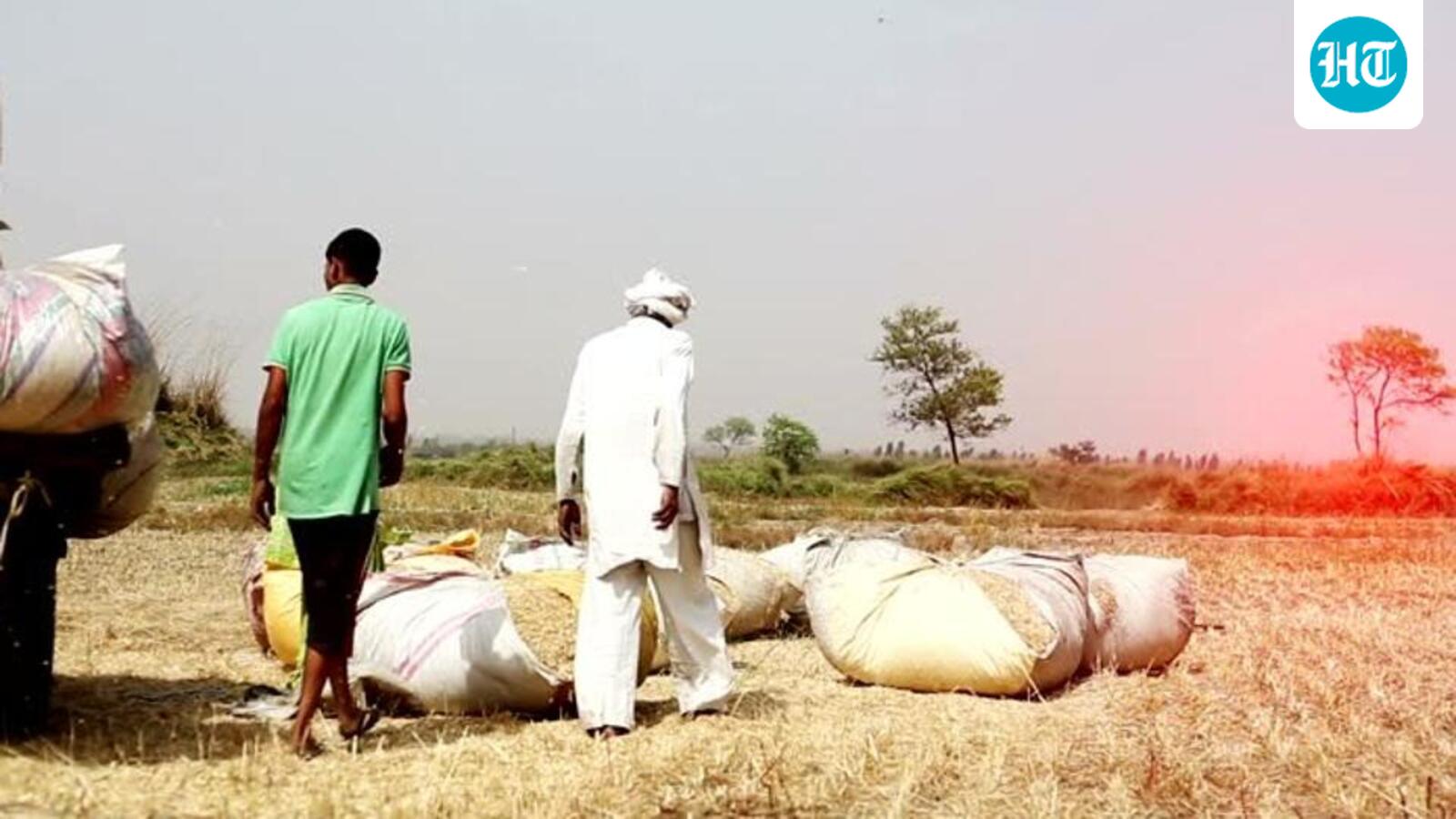
Reena Kumari, a paddy farmer in Uttar Pradesh’s Badaun district, harvested only 10‑12 quintals of paddy this season, compared with the 25 quintals she normally yields on her five acres. The crop was damaged by October rains and storms, and traders have delayed purchases because market prices are around ₹35‑36 per kg, above the minimum support price of ₹24.41. Kumari estimates her cultivation cost at ₹40,000‑50,000 and says she cannot buy wheat seeds until she sells her harvest. The delay in selling her produce has created a financial squeeze as the rabi season begins.
Government procurement of paddy fell 23% in the first 28 days of October, with 13 million tonnes bought compared with 16.9 million tonnes the previous year. Market prices for paddy and other kharif crops remain above MSPs, but buyers are holding back purchases in anticipation of price easing when market arrivals increase.
Anand Chandra, co‑founder and COO of Arya.ag, notes that the two cropping cycles are closely linked for smallholders. He says that while prices for soyabean, paddy and maize are currently high, slow procurement means farmers do not receive immediate liquidity. He warns that delayed harvesting can shorten the window for farmers to sell produce and arrange funds for rabi inputs.
The rabi sowing season has already begun, with 3.76 million hectares sown as of 30 October, down 46% from 6.90 million hectares the previous year. Wheat sowing covered only 19,000 hectares compared with 334,000 a year earlier, and mustard area fell to 2.05 million hectares from 3.81 million. In Uttar Pradesh, rapeseed and mustard sowing reached 1.04 million hectares, down 22% from the same period last year.
Kumari’s situation reflects the broader financial pressure on small farmers, who must rely on kharif income to fund rabi inputs. She says, “I do not have the money to buy wheat seeds until I sell what I have produced. I will not be able to make ends meet if I cannot sell my crop at the current price of ₹35 per kg.”
Frequently asked questions
How much did government procurement of paddy fall in early October?
Government procurement of paddy fell 23% in the first 28 days of October, with 13 million tonnes bought compared with 16.9 million tonnes the previous year.
What is the current market price for paddy compared to the minimum support price?
Market prices for paddy are around ₹35‑36 per kg, above the minimum support price of ₹24.41.
How has rabi sowing area changed compared to the previous year?
Rabi sowing has begun with 3.76 million hectares sown as of 30 October, down 46% from 6.90 million hectares the previous year.