India
India Records 9,373 Serious Medical Device Adverse Events Since 2020
By Ritu Sarin
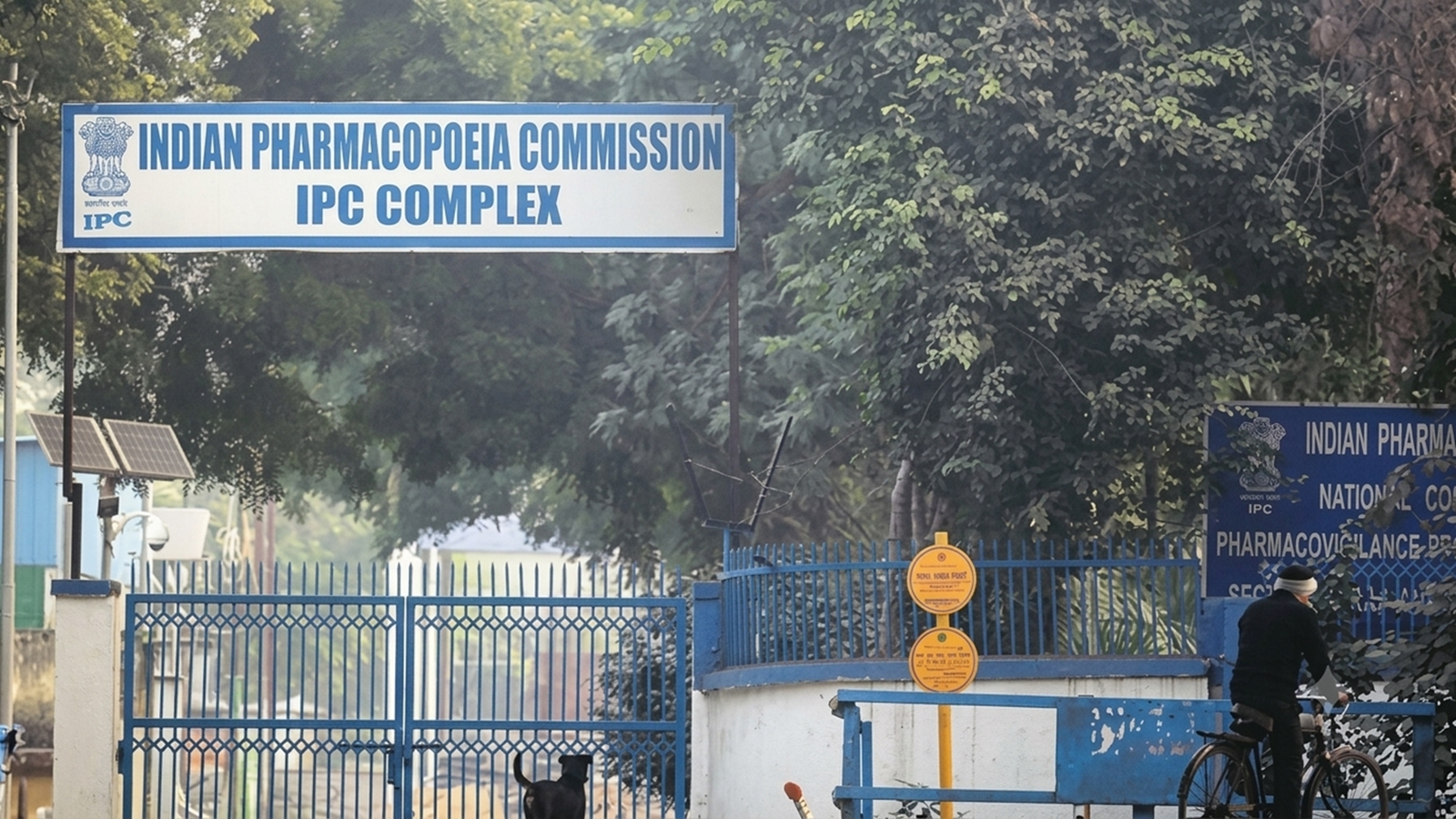
The Indian Pharmacopoeia Commission (IPC) has released, for the first time, the total number of Serious Adverse Events (SAEs) linked to medical devices in India since 2020: 9,373. The figure shows a nearly three‑fold increase over six years, rising from 808 in 2020 to 2,176 in 2025. SAEs are events that can cause life‑threatening conditions or prolonged hospitalisation.
The data were accessed by The Indian Express on October 27 after a part‑compliance order issued by a bench of the Central Information Commission (CIC) on September 10. The IPC, an autonomous central body that publishes official drug standards, has historically reported the number of Medical Device Adverse Events (MDAEs) logged in 775 monitoring centres across the country in its annual reports, but has kept the figures for SAEs confidential.
In its annual reports, the IPC provides broad MDAE totals but does not separate out serious events. The reports list a range of items flagged as “suspected devices,” including surgical gloves, syringes, urine bags, and, in the 2022‑2023 report, a male condom identified as a counterfeit device.
The 11‑page CIC order, following an appeal by The Indian Express, explained that the IPC had requested that details such as the device category and manufacturer be withheld because disclosure could violate commercial confidence. The IPC argued that it was not conclusively established whether the adverse events were due to procedural lapses or the devices themselves.
In 2018, The Indian Express reported on MDAE categorisation in an investigative series on the medical device industry. That series found that coronary stents manufactured by Abbott accounted for over 50 % of the 566 MDAEs logged that year, with 290 attributed to Abbott’s stents. Abbott had stated that its stents were “among the world’s most used and studied” with an “unparalleled safety record.”
The six‑year dataset was released after a final appeal filed by the newspaper before the CIC in 2025. The IPC said that providing details for each MDAE would be too voluminous and would divert public authority resources.
According to the IPC’s annual reports, 14,584 MDAEs were logged in the financial year 2024‑2025, with only 22 cases forwarded to the Central Drugs Standard Control Organisation (CDSCO) for action. Those 22 “suspected devices” included surgical gloves, syringes, urine bags, a mechanical ventilator, and a blood transfusion set. For 2023‑2024, 10,269 MDAEs were recorded, with 16 forwarded to the CDSCO, including pregnancy test kits, catheters, blood pressure monitors, and one drug‑eluting stent. In 2022‑2023, 3,868 MDAEs were listed, with 12 forwarded to the CDSCO, including a suspect inhaler, an incubator, a coronary stent, and a male condom.
The IPC compiles MDAEs under the Materiovigilance Programme of India (MvPI), launched in 2015, and uses the Adverse Drug Monitoring System (ADRMS), an online portal for reporting device‑related adverse events. All SAEs must be reported to the IPC within 15 days, and are classified as serious if they result in death, extended hospitalisation, life‑threatening situations, or disability.
Globally, the United States maintains the Manufacturer and User Facility Device Experience (MAUDE) database, a public repository that includes detailed reports of adverse events for all medical device categories, including brand, manufacturer, model, and type of event.
Frequently asked questions
How many serious medical device adverse events (SAEs) have been reported in India since 2020?
9,373
What trend has been observed in the number of SAEs from 2020 to 2025?
The number increased from 808 in 2020 to 2,176 in 2025, nearly a three‑fold rise over six years.
What criteria does the IPC use to classify an event as a serious adverse event?
An event is classified as serious if it results in death, extended hospitalization, life‑threatening situations, or disability.