Law & Justice
Supreme Court Reaffirms Constitution’s Primacy Over Special Laws
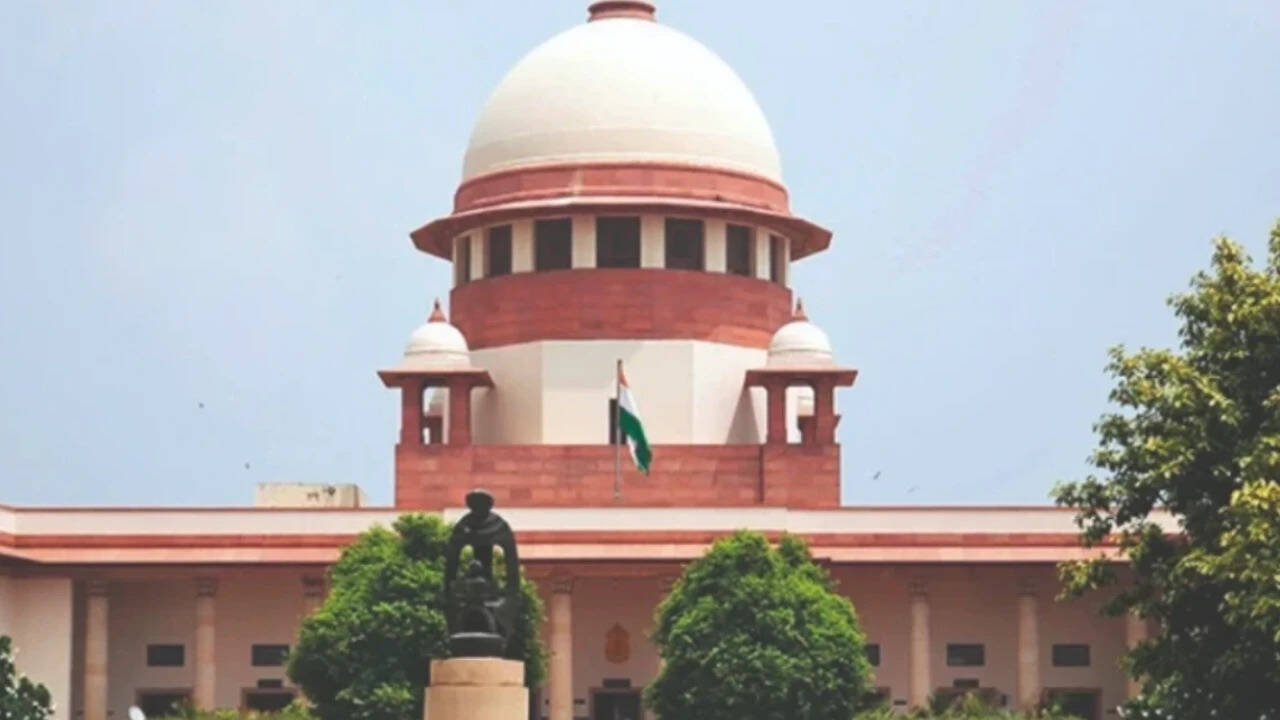
In a Thursday ruling, the Supreme Court held that the Constitution takes precedence over all other laws and regulations. The court clarified that if a conflict arises between constitutional provisions and special statutes such as the NDPS Act, the UAPA, or the PMLA, the constitutional provisions will prevail. The bench, composed of Justices Ujjal Bhuyan and A. S. Chandurkar, emphasized that the right to a speedy trial is a fundamental right that cannot be violated under any law and can serve as a basis for bail. The decision overturned an earlier order that had held that under special statutes, an accused’s right to a speedy trial under Article 21 must be exercised within the limits of Section 37 of the Act, which imposes stringent bail conditions, and could not be invoked solely on the ground of prolonged delay to override Section 37. The ruling comes amid internal disagreements within the apex court over granting bail in PMLA, NDPS and UAPA cases on the basis of trial delay, a matter now before a larger bench.
Frequently asked questions
Which special statutes were mentioned in the Supreme Court ruling?
NDPS Act, UAPA, and PMLA.
What did the Supreme Court say about the right to a speedy trial?
It is a fundamental right that cannot be violated under any law and can serve as a basis for bail.
Which Justices were on the bench for this ruling?
Justices Ujjal Bhuyan and A. S. Chandurkar.