Politics
BJP Blends Digital Outreach With Street Mobilisation in ‘Loktantra Bachao’ Campaign
By PTI
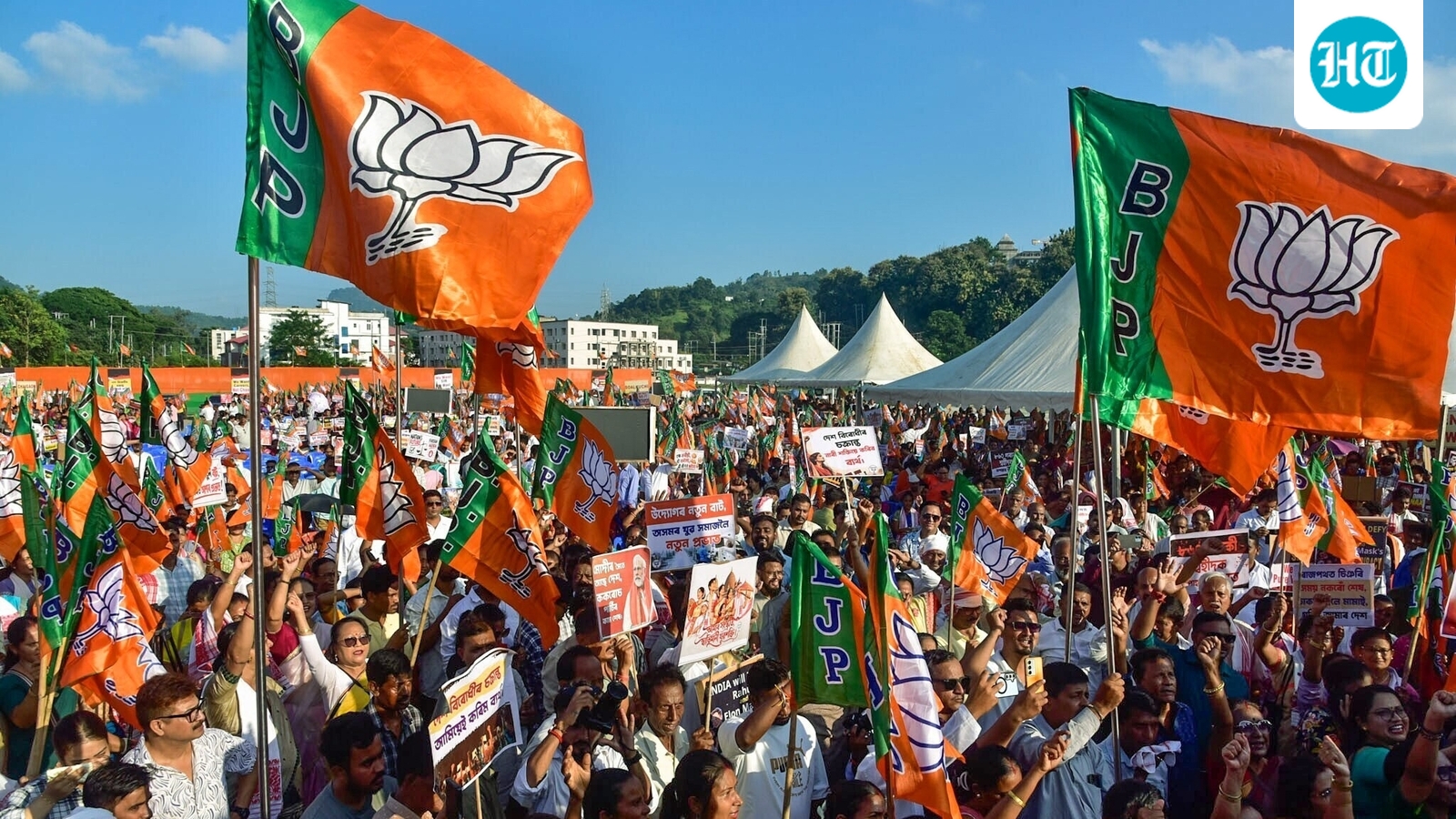
The BJP’s ‘Loktantra Bachao, Arajakta Hatao’ (Save Democracy, Remove Anarchy) campaign combines social media attacks and political songs with marches, rallies and public meetings across states to amplify its message and counter the opposition’s narrative. The push follows the INDIA bloc’s November 1 rally at Delhi’s Ramlila Maidan, where opposition leaders accused the BJP of electoral irregularities and demanded the resignation of Chief Election Commissioner Gyanesh Kumar. Congress leader Rahul Gandhi warned that the CEC would face future action for alleged electoral wrongdoing. In response, the BJP stepped up a counter‑offensive, accusing the opposition of undermining democratic institutions and questioning the Election Commission’s credibility.
Senior leaders, Union ministers and state functionaries have taken part in coordinated programmes, including padayatras, press conferences and public meetings. A BJP source told PTI that the campaign is run in coordination with state units, with a focus on exposing Rahul Gandhi’s alleged lies and presenting facts to the public, including a Special Intensive Revision of electoral rolls. The source added that the party’s teams are working across districts to inform youth about what they describe as Rahul Gandhi’s collaboration with foreign forces to destabilise the country.
BJP president Nitin Nabin is leading the organisational push, with marches planned nationwide. Union ministers Amit Shah, J P Nadda and Shivraj Singh Chouhan are also participating, while state leaders are tasked with mobilising workers and taking the campaign to the grassroots.
The party is using social media to sharpen attacks on opposition leaders, especially Rahul Gandhi, through videos, songs, graphics and pointed political messages. The digital campaigns are a prominent feature of its efforts to frame the political debate and counter opposition allegations.
The campaign’s significance lies in linking online messaging with physical mobilisation. While social media allows rapid circulation of the BJP’s narrative, marches and public meetings translate that messaging into visible political action. Student organisations have added another dimension: the Akhil Bharatiya Vidyarthi Parishad (ABVP), the student wing of the RSS, is organising rallies and protest marches, including a mega student rally at Delhi University. ABVP national general secretary Virendra Singh Solanki said the campaign and student rallies raise a strong voice against attempts by Rahul Gandhi and the opposition to create distrust in democratic institutions.
BJP’s strategy underscores the importance of its extensive organisational network, enabling national messaging to be carried forward by state units, local leaders and affiliated bodies. By holding parallel programmes, the party seeks to maintain a sustained political presence rather than limiting its response to statements by senior leaders or social media exchanges.
The convergence of digital campaigns and street politics reflects a broader change in political communication, where parties use online platforms not as a substitute for traditional mobilisation but to reinforce it. For the BJP, the challenge is to ensure that online visibility translates into wider public engagement and sustained support.
Anup Sharma, a political communications consultant, noted that the BJP has always been ahead of the curve in political outreach, recognising the power of social media early and building an extensive WhatsApp network. He said the Gen Z protests have triggered a rethink, with greater emphasis on social listening, sentiment analysis, data intelligence and analytical tools to understand voter behaviour. Sharma added that digital engagement alone cannot win elections, so the party continues to combine social media campaigns with rallies, padayatras, local outreach and its grassroots organisation. He concluded that the BJP’s challenge today is not simply to dominate social media, but to stay ahead of changing voter behaviour and build genuine political connect.