World
UK Faces Critical Mineral Dependence on China, Calls for New Policy and Funding
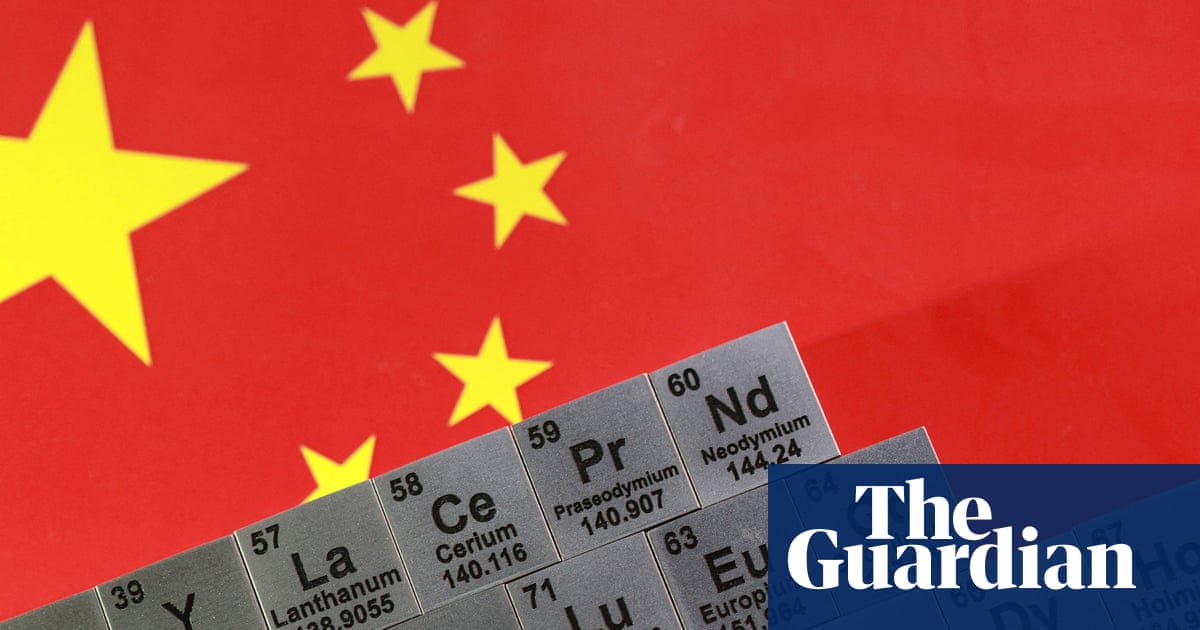
A parliamentary inquiry has revealed that the United Kingdom remains heavily reliant on China for critical raw materials essential to defence, renewable energy infrastructure and artificial intelligence. Members of the business select committee urged the government to adopt a centralised policy and establish a "critical minerals finance facility" to support mining, refining, and recycling of rare earths and other key minerals. Chair Liam Byrne described critical minerals as "the alpha of the new economy" and warned that Britain cannot rearm, build AI or achieve net‑zero targets without securing these resources. He added that 16 years after China first used its control over rare earths as a geopolitical tool, the UK remains "dangerously exposed." The committee noted that China dominates the refining of seven categories of minerals, including lithium for electric vehicles and rare earths used in military aircraft. It highlighted that demand for lithium could rise 45‑fold and for rare earths 16‑fold by 2030, leaving the UK in a high‑risk dependency relationship with China. The report cited China’s 2025 supply cut as a strategic vulnerability and pointed out that the UK has not made sufficient efforts to find alternative sources. It also mentioned that a one‑year reprieve on global export restrictions on rare earths, extended to January 2027, leaves the UK at the mercy of U.S.–China relations. The committee’s 10‑point plan calls for identifying domestic mining, refining and recycling opportunities, encouraging businesses to reduce procurement from China, unlocking investment, and reviewing planning and permitting processes. It concluded that the UK needs new institutional and financial capacity. A government spokesperson denied that the country lacks a strategy, noting a £400 million investment to boost domestic production and recycling and new international partnerships. The strategy sets 2035 targets of meeting 10 % of demand through domestic production and 20 % through recycling, with no more than 60 % of any critical mineral sourced from a single country.
Frequently asked questions
What investment has the UK government announced to boost domestic production?
The government announced a £400 million investment to boost domestic production and recycling.
What are the UK's 2035 targets for critical minerals?
The strategy sets 2035 targets of meeting 10 % of demand through domestic production and 20 % through recycling, with no more than 60 % of any critical mineral sourced from a single country.
What did the parliamentary committee recommend to reduce dependence on China?
The committee urged a centralised policy, a critical minerals finance facility, and a 10‑point plan to identify domestic mining, refining and recycling opportunities, encourage businesses to reduce procurement from China, unlock investment, and review planning and permitting processes.