World
Democrats Gain Congressional Control, Potentially Limiting Trump’s Trade and Arms Policies Toward China
By AFP
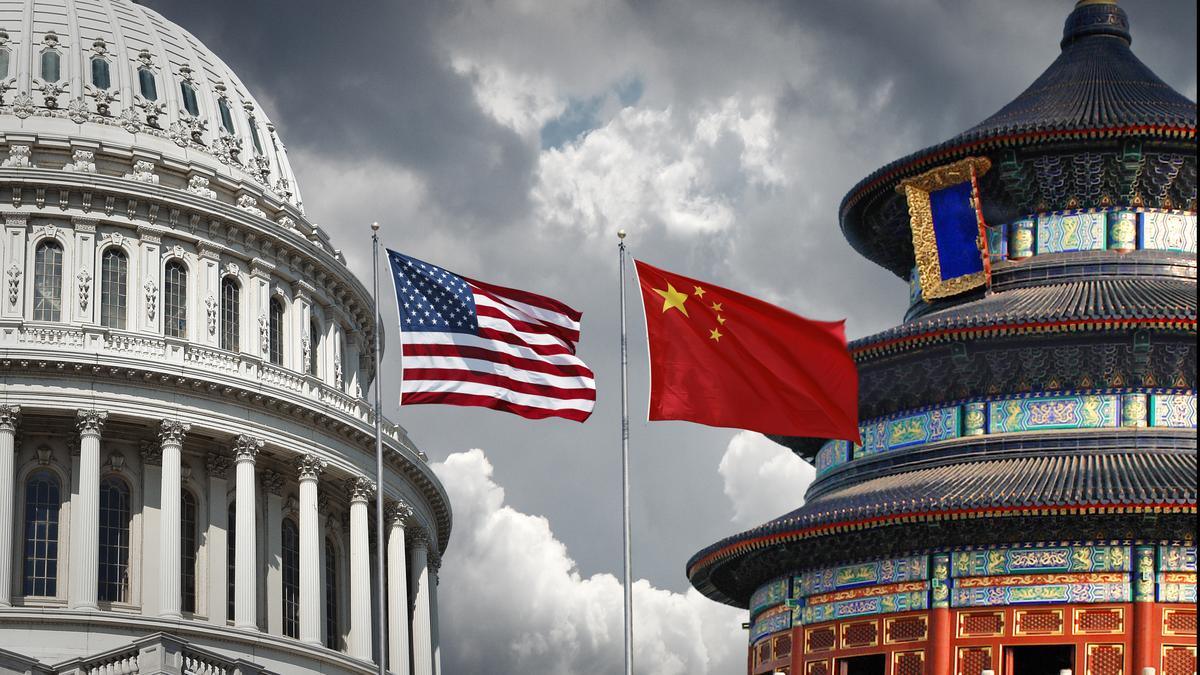
A decisive win for Democrats in the U.S. midterm elections has given the party control of both houses of Congress, positioning them to curb President Donald Trump’s use of tariffs on Chinese goods during his remaining two years in office. Wu Xinbo, dean at Fudan University’s Institute of International Studies, said that limiting Trump’s tariff power would reduce his leverage in negotiations with China. However, Democrats must balance this against the popularity of tariffs among U.S. businesses, unions, blue‑collar workers, and small businesses, noted Drew Thompson of Nanyang Technological University’s S. Rajaratnam School of International Studies. Patricia Kim of the Brookings Institution added that Congress would be reluctant to impose sharp pressure on China if it risks higher costs for American consumers or increases conflict risk.
The Taiwan issue could become a “game changer,” according to Neil Shearing of Capital Economics. Washington is Taiwan’s main security partner and has sold billions in arms to the island. Trump questioned the U.S. stance in May, suggesting that arms sales could be a bargaining chip with China and delayed a $14‑billion weapons package. Shearing warned that China could use the remaining Trump years to intensify pressure on Taiwan if it perceives Washington as distracted. Wu said a Democrat‑controlled Congress might force Trump to resume arms sales to Taiwan next year, potentially destabilizing U.S.–China relations. Steve Tsang of the SOAS China Institute suggested that renewed U.S. congressional support for Taiwan could encourage Beijing to play it safer.
Regarding Trump’s future role, Kim noted that Beijing is likely to keep engaging him through high‑profile leader‑to‑leader talks with Xi Jinping, seeing it as the least costly way to manage U.S. relations. Tsang added that Trump’s lame‑duck status could be used by China to apply more pressure, but Beijing would avoid pushing too hard to prevent reckless behavior.
The article was published on November 5, 2026, at 08:00 am IST.
Frequently asked questions
What new power does the Democrat-controlled Congress have over Trump's tariff policy?
It can curb President Trump’s use of tariffs on Chinese goods during his remaining two years in office.
How might the Democrat-controlled Congress affect U.S. arms sales to Taiwan?
It could force Trump to resume arms sales to Taiwan next year, potentially destabilizing U.S.–China relations.