Business & Finance
Rubber Price Surge Pressures Indian Tyre Makers to Consider Further Hikes
By Manas Pimpalkhare, Vijay C Roy
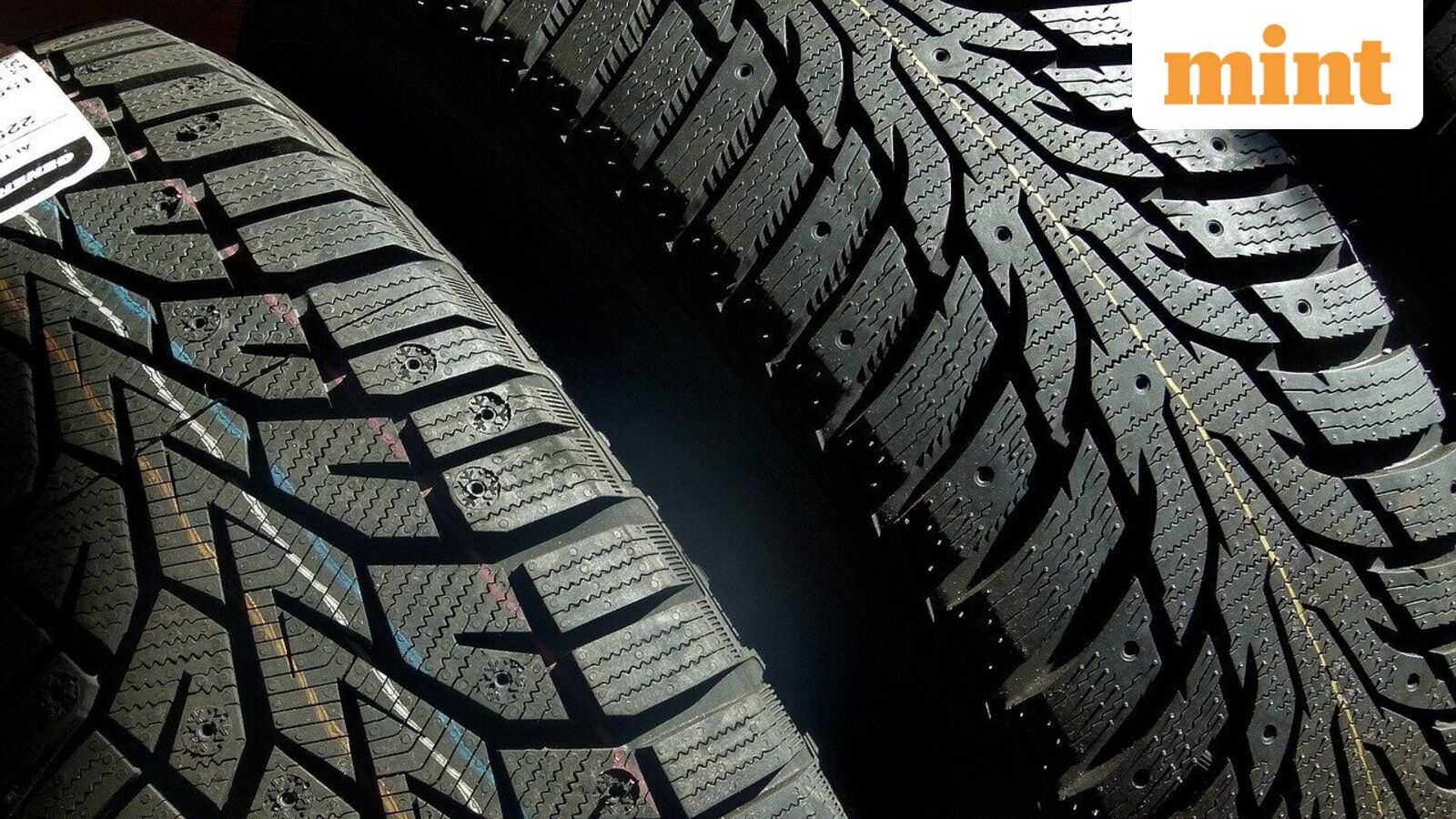
A steep rise in natural and synthetic rubber prices, driven by erratic weather and the West Asia war, is squeezing the margins of India’s tyre manufacturers and prompting them to contemplate additional price increases. The surge in raw‑material costs, coupled with strong demand from automakers, gives the companies some room to pass on higher costs, industry experts said.
Top tyre makers such as Ceat and JK Tyres have seen their margins erode as rubber prices climb. Domestic prices of RSS4 rubber have risen 62 % to ₹300 a kilogram from ₹185 in November 2025, according to CMIE and the Rubber Board. Rubber accounts for roughly half the cost of producing a tyre.
JK Tyres’ earnings before interest, tax, depreciation and amortisation (EBITDA) fell 36 % year‑on‑year to ₹343 crore in the September quarter, while profit after tax dropped 73 % to ₹60 crore. Ceat’s EBITDA slipped 11 % to ₹452 crore and profit fell 40 % to ₹112 crore.
Ceat chief financial officer Kumar Subbiah told Mint that the company will resort to further price hikes, as the previous increases over the last seven months have not offset the cost surge for the firm that produced 4.5 crore tyres in FY26. “Tyre prices have been increased by us progressively in the last six to seven months, but they have not fully compensated the raw material cost increases, and hence our margins have come down. There is still a plan to take our prices further,” Subbiah said in an email response.
Both Ceat and JK Tyres highlighted the hit from input‑cost spikes during their post‑earnings calls last month. They cited inflation in rubber, carbon black, chemical additives, silica and steel as continuing to weigh on margins.
JK Tyres managing director Anshuman Singhania said in a 26 October analyst call that input costs rose 9 % sequentially and that the company expects a further 4‑5 % increase in Q3. The firm increased its net sales realization by 11‑12 % in the last six months and plans a 4‑5 % rise in the December quarter. JK Tyres’ revenue in the September quarter was ₹4,850 crore, a 20 % year‑on‑year growth.
Chief financial officer Sanjeev Aggarwal noted that raw‑material costs have risen 30 % over the last six months due to inflationary pressure and supply‑chain constraints created by the West Asia crisis. He said the company remains focused on disciplined price revisions, operational efficiencies and a higher share of value‑added, premium products to build resilience against input inflation.
Natural rubber prices rose due to unfavourable weather in key growing regions such as Kerala and parts of Southeast Asia, while synthetic rubber prices climbed because of a surge in crude‑oil product prices linked to West Asia war‑related disruptions. Benchmark Brent crude is hovering around $105 a barrel for the January contract, compared with $65‑70 when the conflict began.
India consumes 2.28 million tonnes of rubber annually, of which 35.5 % (809,000 tonnes) is imported, the Rubber Board of India reports. Any tyre price increase is unlikely to drive up automobile prices during the ongoing festival season; the first impact will be felt in the replacement market.
Ashim Sharma, senior partner and business unit head at Nomura Research Institute (NRI) Consulting and Solutions, said that replacement tyre prices generally rise first, and that vehicle prices for the festive season are unlikely to increase.
Replacement tyres account for about 50 % of India’s total annual sales, which reached 214.6 million units in FY26, while tyres fitted on new vehicles make up 25 % and exports comprise the remaining 25 %, according to an August 2026 Crisil Ratings note.
The tyre price hikes come amid India’s festive season, spanning September‑December, when consumers typically make big‑ticket purchases. The season contributes about 40 % to India’s consumption each year, a 2025 Visa study found.
Queries related to the impending price hike emailed to tyre makers Apollo Tyres and MRF, and the Rubber Board of India on Monday remained unanswered until press time.
The rise in rubber prices has also prompted smaller businesses manufacturing rubber products—footwear, tyre tubes, pumps, valves and sports goods—to renegotiate prices in their contracts with buyers. Vinod Kumar, president of the India SME Forum, said the sharpest squeeze is on small manufacturers of hoses, belts, footwear soles and automotive components that had agreed to a fixed price before rubber became more expensive.
Kumar added that micro and small enterprises are negotiating price revisions with buyers, reviewing how much rubber they hold, and looking for ways to reduce material wastage. He said rising rubber prices are a solid reason for smaller businesses to stagger purchases of readily available rubber grades while keeping enough of a critical grade to meet confirmed orders.
Nomura’s Sharma noted that if the price of synthetic rubber rises, the price of natural rubber will also rise, indicating the link between crude‑oil prices and inflation in natural rubber prices. Natural rubber is also facing its own challenges, with production declining in key producing regions, putting pressure on prices.
Jose Kutty Antony, a rubber farmer and proprietor of Thulumpanmakel Rubber Nursery in Kottayam, said climate change has become a major challenge for rubber production, as rising temperatures and changing weather patterns continue to affect cultivation. He said these environmental changes have significantly impacted rubber output, potentially contributing to a decline of around 30‑36 %, creating serious concerns for rubber farmers and the industry.
Frequently asked questions
How much has the price of RSS4 rubber increased?
Domestic prices of RSS4 rubber rose 62 % to ₹300 a kilogram from ₹185 in November 2025, according to CMIE and the Rubber Board.
What impact has the rubber price surge had on Ceat and JK Tyres' earnings?
JK Tyres’ EBITDA fell 36 % year‑on‑year to ₹343 crore in the September quarter, while profit after tax dropped 73 % to ₹60 crore. Ceat’s EBITDA slipped 11 % to ₹452 crore and profit fell 40 % to ₹112 crore.
What is the expected next price hike for JK Tyres?
JK Tyres expects a further 4‑5 % increase in Q3 and plans a 4‑5 % rise in the December quarter.