Business & Finance
Tata Sons Considers Three Liquidity Options for Shapoorji Pallonji Group
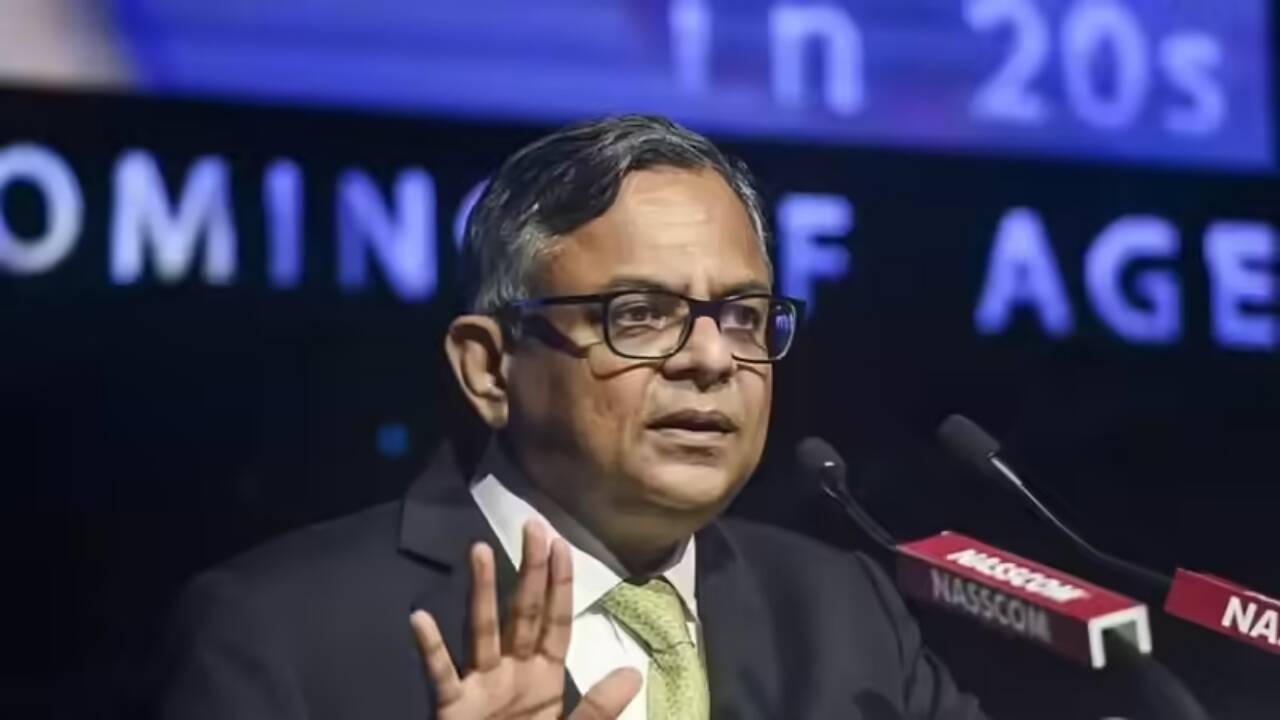
MUMBAI – Tata Sons chairman N Chandrasekaran is evaluating three ways to provide liquidity to the Shapoorji Pallonji Group (SP), its largest minority shareholder. The options include: 1) a Tata Group entity buying part of SP’s 18.4 per cent stake; 2) a proportionate buyback open to all shareholders; and 3) a selective capital reduction of SP’s shares proposed by Tata Trusts chairman Noel Tata. The first option would keep Tata Trusts’ 66 per cent controlling stake unchanged, while the other two would increase Trusts’ holding in Tata Sons for the first time in three decades.
The buyback and the share purchase only require board approval. The selective capital reduction would need a special resolution of shareholders, followed by creditor and National Company Law Tribunal (NCLT) approvals. A shareholder meeting currently faces a quorum hurdle, and the process could take nearly a year.
A Tata Special Purpose Vehicle (SPV) could purchase SP’s shares, provided it is not a subsidiary of Tata Sons, as section 19 of the Companies Act prohibits a subsidiary from holding shares in its parent. The purchase would lift the combined holding of Tata companies from the current 13 per cent. An external investor could also buy the shares with Tata Sons board approval. The SPV could fund the deal through internal accruals, debt or equity.
Tata Sons could run a buyback of Rs 17,900 cr with board approval alone. Rule 11UA of the Income Tax Act would set the price of SP’s shares, valuing unquoted shares on the adjusted value of a company’s underlying assets and liabilities. Tata Sons’ listed holdings, including stakes in TCS, Tata Capital and other group companies, would be taken at market value, with no holding‑company discount.
In a proportionate buyback, Trusts is expected not to tender its shares, while SP would participate, reducing its 18.4 per cent stake. If other shareholders, including listed Tata companies, also tendered, SP’s share of the buyback proceeds would fall. A larger buyback would require a special resolution of shareholders.
Tata Sons last considered a buyback before the 2004 TCS IPO, at a proposed Rs 7–8 lakh per share, but never carried it out. As part of Tata Sons’ 1995‑96 rights issue, Trusts renounced their entitlement while SP took its shares, lifting its stake to 18.4 per cent.
Under section 66 of the Companies Act, a selective capital reduction would see Tata Sons cancel SP’s shares through the NCLT process, reducing its outstanding equity. The percentage holdings of remaining shareholders, including Trusts, would rise automatically, even though they would buy no additional shares. The reduction could raise governance questions over whether Trusts’ nominee directors can take part in approving it under articles 115 and 121 of Tata Sons’ Articles of Association.
A potential IPO of Tata Sons could give SP further liquidity and change the company’s shareholding structure. An offer for sale by SP would cut its holding. A fresh issue by Tata Sons would dilute existing shareholders, including Trusts.