India
RSS Secretary Calls for Youth Dialogue Amid Accusations of Political Manipulation
By Shruti Tomar
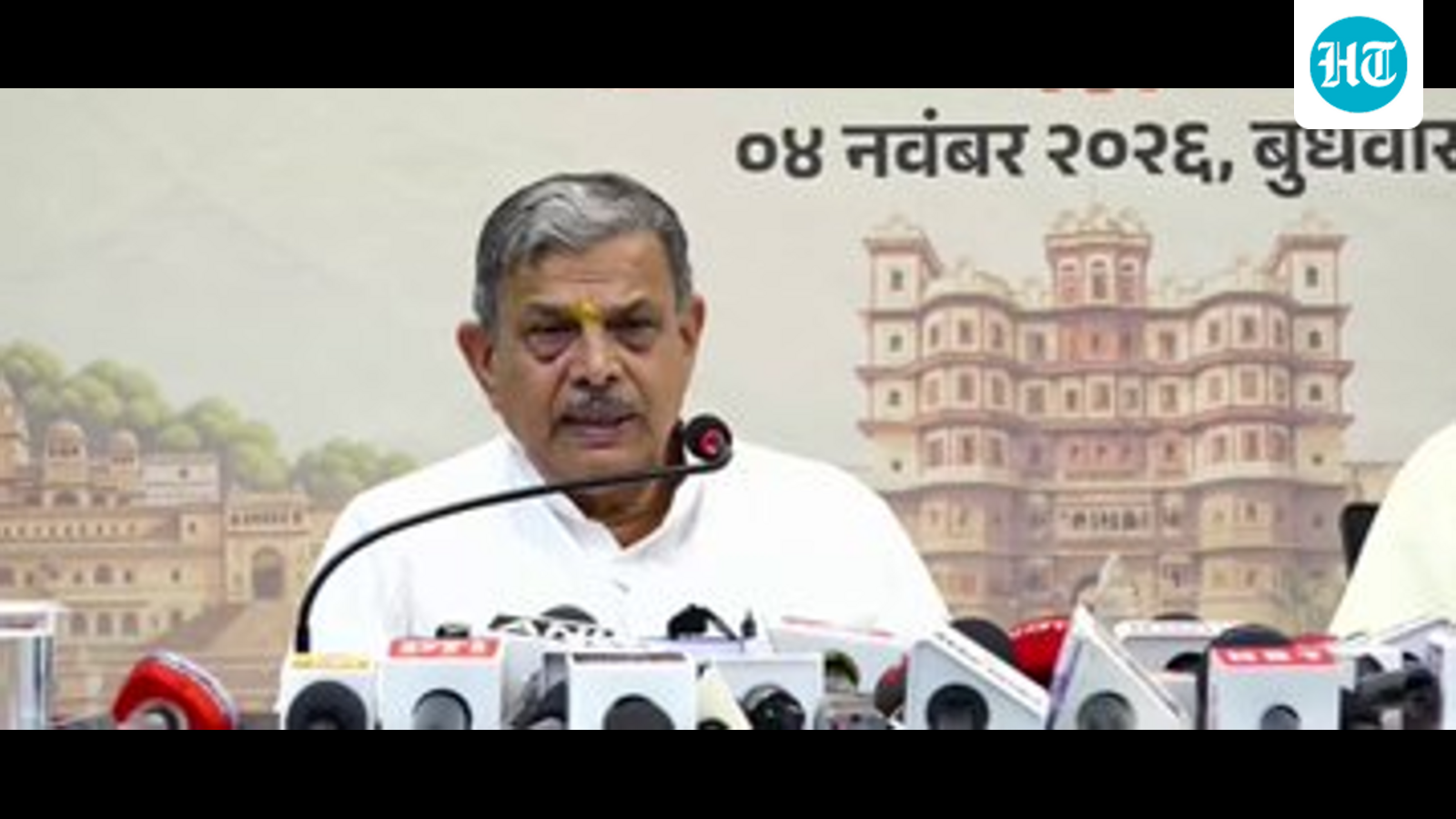
Rashtriya Swayamsevak Sangh (RSS) general secretary Dattatreya Hosabale said on Wednesday that the aspirations and grievances of young people must be addressed through dialogue, while warning that “anarchic forces” inside and outside the country are seeking to provoke and misuse youth for political interests, social division and violence. Hosabale referred to the 1970s JP movement led by socialist Jayaprakash Narayan against Prime Minister Indira Gandhi, noting that each generation feels anti‑establishment. He said the movement can be channeled constructively, but it should not be used for selfish politics, societal breakdown or violence. The remarks followed a three‑day annual meeting of the RSS, the ideological foundation of the ruling Bharatiya Janata Party (BJP), held in Indore.
Hosabale said the meeting discussed addressing genuine youth concerns, preventing disruptive forces from gaining influence and encouraging socially conscious citizens to counter such tendencies. He also addressed protests over alleged paper leaks that led to the resignation of Union Education Minister Dharmendra Pradhan in July, and alleged irregularities in electoral roll revisions. He said calls for “regime change” are legitimate through elections and democracy, but creating unrest, division or violence is not in society’s interest.
The RSS secretary reiterated that reservation should continue until social and educational inequalities caused by discrimination are removed. He said benefits must reach all eligible communities, reforms can be considered if beneficiaries seek them, and reservation should not be used for vote‑bank politics.
Hosabale said no law requires the RSS to register, and that the organisation is not separate from society but an effort to organise it. He noted the RSS operates in accordance with the Constitution and has received judicial support when permissions were denied in states such as Tamil Nadu and Karnataka. Karnataka Home Minister Priyank Kharge has repeatedly asked the RSS to register and disclose its finances.
He said the RSS has no intention of becoming an international organisation, but it engages overseas when invited to explain its work, respond to criticism and present its perspective in foreign media, legislatures, universities and think‑tanks.
Hosabale backed the Special Intensive Revision, calling it voter list purification, arguing that deceased, duplicate entries and non‑citizens should be removed. He said such exercises have precedent and should be conducted periodically, and that voters whose names are wrongly deleted can seek remedies through the Election Commission or courts. He criticised opposition to the exercise as politically motivated.
He announced a major organisational restructuring, noting a 150% increase in RSS shakhas in West Bengal over the past year, coinciding with the formation of the BJP’s government there for the first time. He said the opposition faced when running shakhas there has diminished.
The concluding day of the Indore meeting focused on the new organisational structure. Following elections in November‑December, presidents and new executive bodies will be elected, and 88 sambhags (divisions) will be formed. Future work plans will be prepared from the perspective of these 88 divisions.
Hosabale referred to past violence against RSS workers, noting that they were killed in the Northeast, including in Tripura, Assam and Kerala. He said the organisation continued expanding its presence, with weekly programmes started at 48 locations in Arunachal Pradesh, two shakhas now functioning in Mizoram despite the state’s negligible Hindu population, and a presence in Ladakh. A programme in Port Blair drew over 5,000 participants, including people from 13 smaller islands across the Andaman region.
As part of its centenary‑year outreach, the RSS organised 65,664 Hindu Sammelans under five major programmes, which together drew around 50 million participants.
Frequently asked questions
What did RSS general secretary Dattatreya Hosabale say about youth concerns?
He said the aspirations and grievances of young people must be addressed through dialogue and warned against misuse by anarchic forces.
What is RSS's stance on reservation?
He said reservation should continue until social and educational inequalities caused by discrimination are removed, benefits must reach all eligible communities, and it should not be used for vote‑bank politics.
Does RSS have to register under Indian law?
He said no law requires RSS to register, and the organization operates in accordance with the Constitution and has received judicial support when permissions were denied.