World
Sudan Accuses Ethiopia of Supporting RSF Drone Attacks, Escalating Regional Tensions
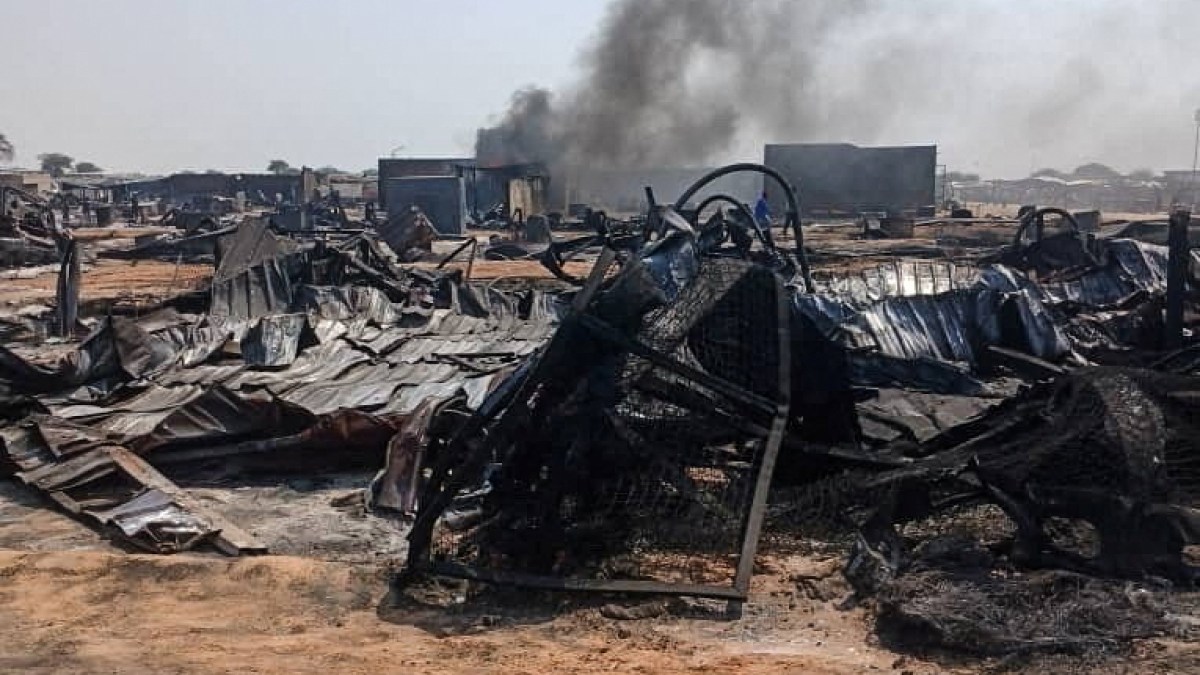
Sudan has filed complaints with the United Nations Security Council and the African Union’s Peace and Security Council alleging that the Rapid Support Forces (RSF) are using Ethiopian territory to launch drone attacks against civilian sites, including power stations. The Sudanese government claims that the RSF, which has been fighting the Sudanese Armed Forces (SAF) since April 2023, is receiving support from Ethiopia. Sudanese border affairs specialist Abdul Kareem Al‑Almin Ahmed told Al Jazeera that the accusations are frequent and that tensions within the SAF have risen to the point where some voices are calling for Sudan to declare war on Ethiopia.
According to a report by the Sudanese Ministry of Foreign Affairs and military intelligence, 70 separate assaults involving 187 one‑way attack drones were launched from Ethiopian territory between February and October. In October alone, 28 attacks were carried out with 97 drones. The attacks have severely damaged civilian infrastructure; more than 90 percent of power stations in Sudanese cities have been rendered inoperative. Between February 15 and October 27, drone attacks killed 176 Sudanese soldiers and 484 civilians, according to a report compiled by the Transitional Sovereignty Council linked to de facto leader Abdel Fattah al‑Burhan and the SAF.
Specific launch sites identified in the report include Asosa Airport in western Ethiopia, the Kurmuk‑Gizen border area, and the Bahir Dar airbase in Amhara. UN Secretary‑General Antonio Guterres condemned the use of drones in the war and the catastrophic toll on civilians. Notable attacks include one on displaced families in Wad el‑Mahi near the Ethiopian border on October 3, which killed 26 women and four children, and another in Nyala in Sudan’s Darfur region on October 26, which killed at least 21 people and injured at least 40.
Addis Ababa denies the allegations and has accused the Sudanese government of supporting rebels linked to the Tigray People’s Liberation Front. The dispute extends beyond drone attacks to issues such as water resources and the Grand Ethiopian Renaissance Dam, which has caused tension between Sudan, Egypt, and Ethiopia.
Professor Badr Hassan Al‑Shafei, an expert in African studies and conflict resolution, notes that fears of escalation are preventing a full‑scale confrontation. He argues that Sudan’s interest lies in maintaining stability in its eastern neighbourhood to avoid security threats and large‑scale displacement.
Both sides recognize the catastrophic potential of expanding the battlefield beyond their borders. Al‑Almin warned that if Sudan were to open a war front with Ethiopia, it would face fighting on two fronts: against the RSF within Sudan and against the Ethiopian army, which could extend its reach across the border.