Science
Wild Deserts Project Brings Long‑Lost Desert Mammals Back to New South Wales
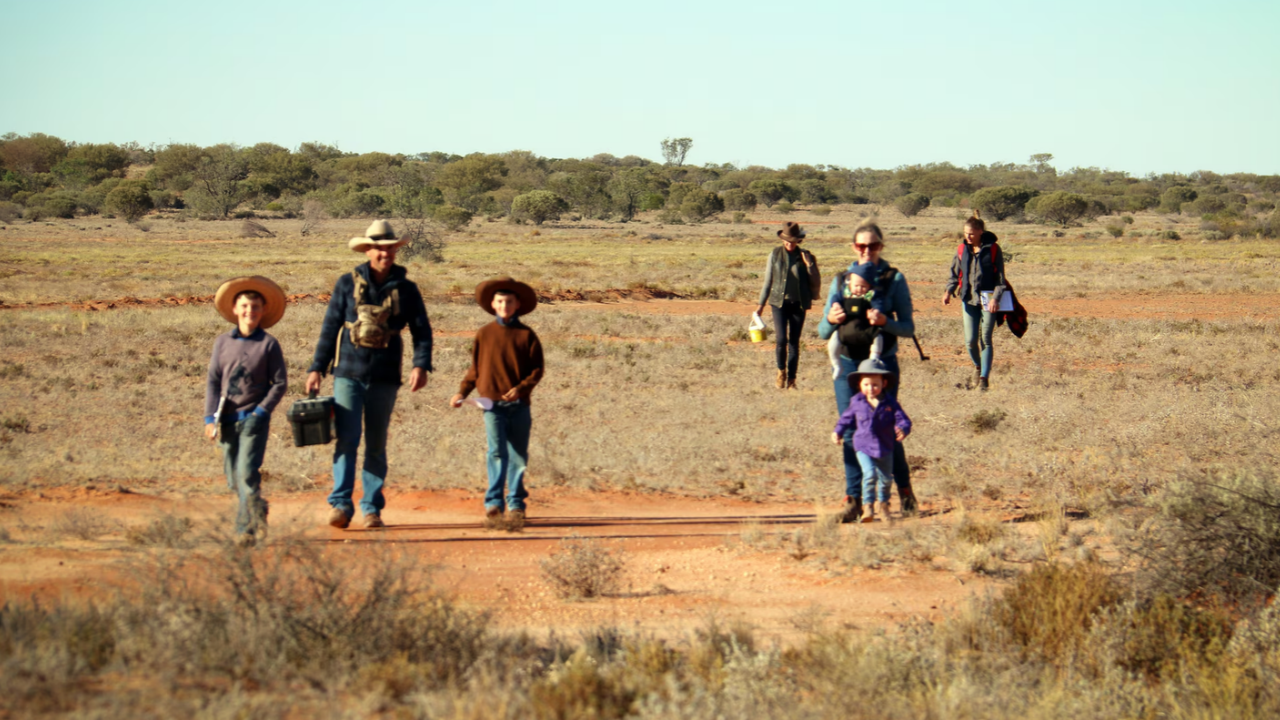
In 2017, ecologists Rebecca West and Reece Pedler moved from Adelaide to the remote Fort Grey station in north‑western New South Wales to launch the Wild Deserts initiative. The former sheep and cattle property, located in the Corner Country near the borders of New South Wales, South Australia and Queensland, became the project’s headquarters. The program, which began in 2016, is a partnership between the University of New South Wales (UNSW), the NSW National Parks and Wildlife Service and conservation specialists Ecological Horizons. Its goal is to restore native mammals that disappeared from the region after European settlement, when introduced rabbits, feral cats and foxes devastated vegetation and preyed on small mammals.
The team fenced two large areas of about 2,000 hectares each, creating a total of 4,000 hectares free of feral predators and grazing animals. Rabbits, cats and foxes were removed from the fenced zones to provide a safe environment for native species to breed. The first reintroductions took place in 2020 with greater bilbies, crest‑tailed mulgaras and Shark Bay bandicoots. Golden bandicoots were added in 2022, followed by western quolls and burrowing bettongs.
These mammals were chosen not only because they had vanished from the landscape but also for the ecological roles they play. Bilbies, bandicoots and bettongs dig burrows that turn over soil, improve water infiltration and create conditions that help native plants regenerate, thereby restoring natural processes that once sustained the desert ecosystem.
A key achievement of the project has been extending conservation beyond the predator‑free enclosures. A 100‑square‑kilometre Wild Training Zone surrounds the fenced areas, where feral cat populations are kept at lower levels to allow reintroduced animals to adapt to living with predators. By September 2026, researchers recorded survival, breeding and the arrival of new individuals among bilbies, bettongs, golden bandicoots and western quolls released outside the fences.
The NSW Government and UNSW announced in June 2026 that they would extend their partnership for another ten years. The next phase will focus on improving predator management, monitoring animal populations and expanding successful reintroductions across larger landscapes. According to the NSW Government, several species being restored through conservation programmes across the state had not been seen in the wild in New South Wales for more than 100 years.
For West and Pedler, the transformation of Sturt National Park represents more than the return of individual species; it is an attempt to rebuild an ecosystem in which native animals, vegetation and natural processes can once again support one another. After years of research, predator control and carefully monitored releases, the desert is showing signs of life that had been missing for generations.
Frequently asked questions
When did the Wild Deserts initiative begin?
The program began in 2016.
What species were reintroduced in 2020?
Greater bilbies, crest‑tailed mulgaras and Shark Bay bandicoots were reintroduced in 2020.
How large is the predator‑free area fenced by the project?
The project fenced two large areas of about 2,000 hectares each, creating a total of 4,000 hectares free of feral predators and grazing animals.