India
Supreme Court Permits Green Firecracker Use in Delhi on Nov. 7‑8, Reinstates Ban on Nov. 9
By HT News Desk
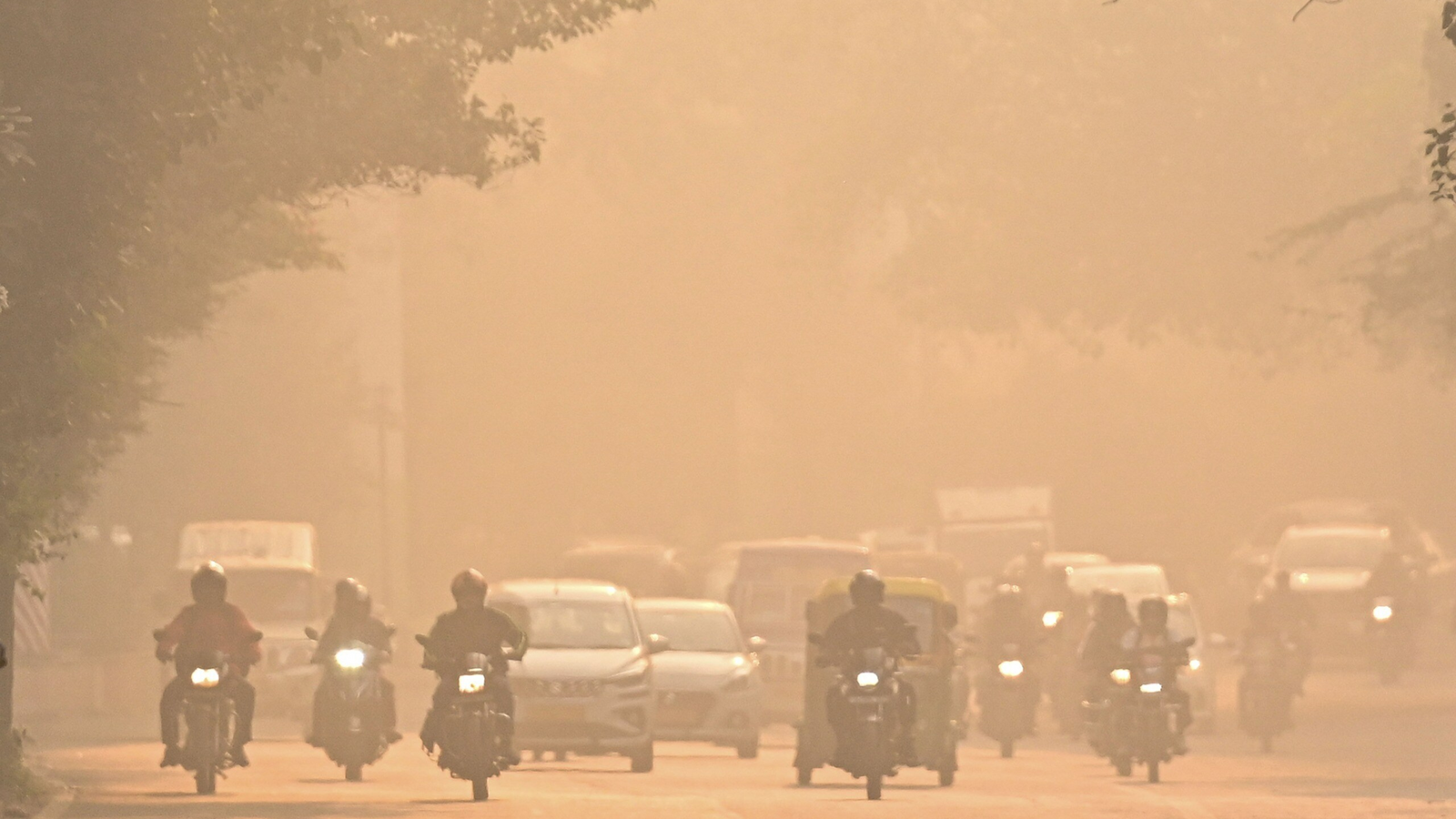
The Supreme Court has allowed the sale and bursting of certified green firecrackers in the Delhi‑NCR region between 6 a.m. and 7 a.m. and again from 8 p.m. to 10 p.m. on November 7 and 8, ahead of Diwali. The court also ruled that a complete ban on all firecrackers will resume from November 9. Justice MM Sundresh and Justice PB Varale, who heard the case, said the court was opting for a regulated approach rather than a blanket prohibition, noting that the earlier ban had not significantly improved air quality or stopped the illegal sale of conventional crackers. They observed that restrictions had been repeatedly violated, with conventional crackers being sold as green ones.
The bench explained that the growth of an illegal market for conventional firecrackers had been encouraged by the ban, while legitimate green crackers and next‑generation green crackers tested at approved facilities were being withheld from consumers. The court considered religious freedom under Article 25 and the right to a healthy environment under Article 21, concluding that religious practice could not override constitutional restrictions on pollution.
Manufacturers holding valid certifications from CSIR‑NEERI and PESO may produce approved green crackers between November 2 and 6. Only products listed on the CSIR‑NEERI website may be manufactured and sold, and boxes must remain sealed. Sales are permitted only at designated locations identified by district collectors and commissioners in consultation with district police chiefs; online sales are prohibited. Traders whose licences were cancelled will have them temporarily restored between November 4 and 6 to facilitate the sale of approved green crackers, but any violation will lead to immediate cancellation.
Each green cracker box must carry a product‑specific QR code that reveals the manufacturer’s name, NEERI registration, PESO or district magistrate’s licence, formulation and test certificate. The court has prohibited the manufacture and sale of joined crackers (laris), crackers containing barium, and any crackers not approved by CSIR‑NEERI. Authorities are directed to confiscate illegal and conventional crackers and prosecute violators.
The permitted bursting hours do not apply within 300 metres of hospitals, nursing homes, primary and district health centres, old‑age homes, educational institutions and notified silence zones, which will be marked and publicised as no‑cracker zones. Manufacturers and traders across Delhi‑NCR must provide substantial monetary security deposits, forfeitable on violation of the court’s directions.
Police and district administration teams will conduct regular inspections at sale points, verify QR codes and check vehicles entering Delhi‑NCR to prevent the movement of illegal crackers. The court has directed pollution‑control authorities to collect detailed data on environmental and health impacts. The Central Pollution Control Board, in consultation with state boards, will prepare daily air‑quality reports for November 2‑6, November 7‑8 and the post‑Diwali period from November 9‑30. Samples of sand and water will also be collected for comparative analysis. Authorities must fix any non‑functional air‑quality monitoring stations and collect hospital data on pollution‑related admissions and deaths.
State governments must submit affidavits detailing compliance, enforcement measures and health impacts by December 14. The bench will monitor implementation through periodic hearings and warned that contempt action would be taken against officials responsible for non‑compliance.
This order follows the Supreme Court’s October 2025 decision to permit green crackers for three days, from October 18 to 20, after a complete ban had been imposed across Delhi‑NCR in December 2024. The earlier relaxation was also subject to strict conditions, including designated sale points, QR‑code verification, restrictions on bursting hours and air‑quality monitoring. The bench noted that states had failed to comply with those directions and had not submitted the required information to assess the impact of the relaxation. Despite the reinstatement of the complete ban, air quality deteriorated sharply on Dussehra and the following day, and conventional crackers continued to be sold as green crackers.
The proceedings stem from a 2015 petition filed on behalf of three minors, including Arjun Gopal, seeking a ban on the sale and use of firecrackers in Delhi‑NCR because of their harmful effects on children and other vulnerable groups. The Supreme Court has since issued several directions to regulate the manufacture, sale and use of fireworks, including restrictions on barium‑containing crackers and joined firecrackers. While rejecting the petitioners’ renewed plea for a complete prohibition at this stage, the bench stressed that the temporary relaxation should not be seen as an endorsement of unrestricted firecracker use. Instead, it aims to allow consumers access to legitimate, tested products under strict safeguards while generating scientific evidence on their environmental and health impact.
The bench called for a broader change in public attitudes toward celebrations and pollution, emphasizing preventive measures and encouraging public‑awareness campaigns. The matter is scheduled for further compliance review on December 16.