World
X‑ray of Van Gogh’s 1885 Painting Reveals Hidden Self‑Portrait on Reverse
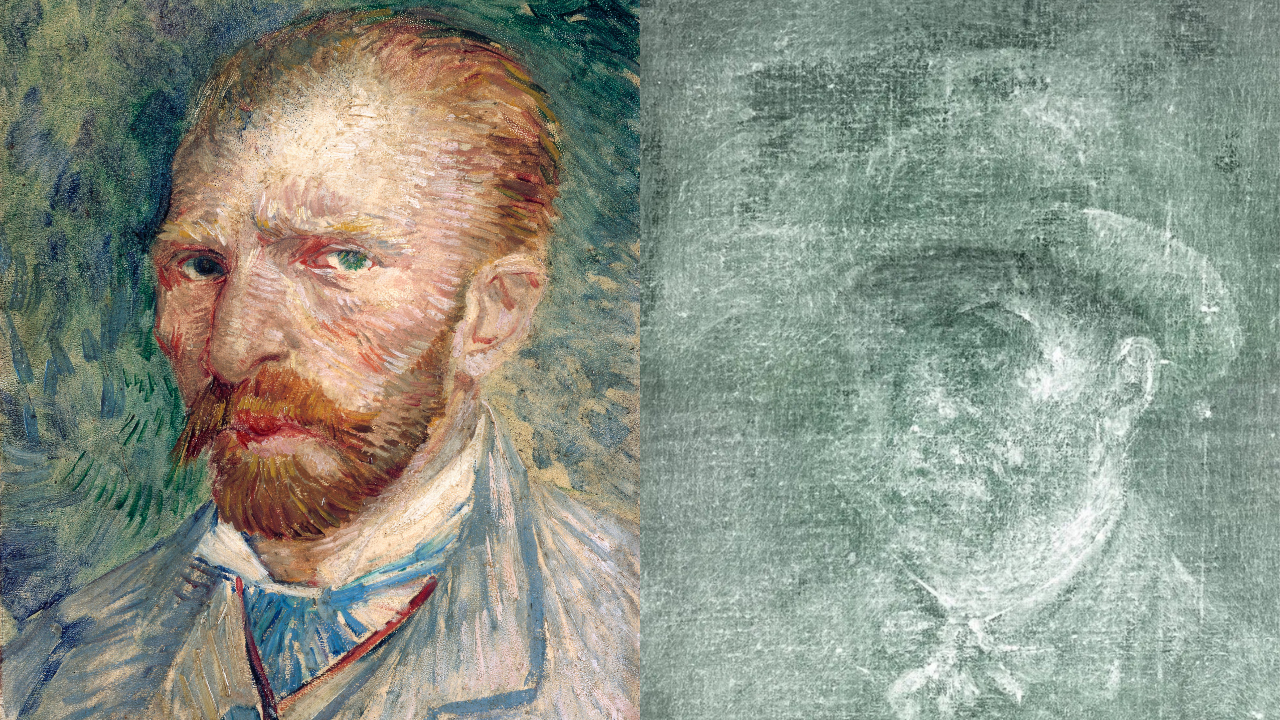
During a routine X‑ray inspection of Vincent van Gogh’s 1885 canvas *Head of a Peasant Woman* at the National Galleries of Scotland, conservators discovered a previously unknown self‑portrait on the reverse side of the canvas. The portrait, hidden beneath layers of glue and cardboard added in the early twentieth century, shows a bearded van Gogh wearing a brimmed hat and a loosely tied neckerchief, staring directly at the viewer. The image was revealed as part of a cataloguing exercise ahead of the 2022 exhibition *A Taste for Impressionism* at the Royal Scottish Academy in Edinburgh. Van Gogh, who often reused canvases to save money, had painted on the reverse of earlier works during periods of financial hardship. The discovery adds to the known practice of his double‑sided paintings, some of which are held by institutions such as the Van Gogh Museum in Amsterdam. Removing the glue and cardboard to expose the hidden portrait would risk damaging the original painting, so conservators have so far only displayed the X‑ray image to visitors. The find underscores how even well‑known works can contain unseen layers of history.
Frequently asked questions
Where was the hidden self‑portrait discovered?
During a routine X‑ray inspection at the National Galleries of Scotland.
What does the hidden portrait depict?
A bearded Van Gogh wearing a brimmed hat and a loosely tied neckerchief, staring directly at the viewer.