Politics
Student Protests Shape Outcomes in Brazil and Serbia Elections
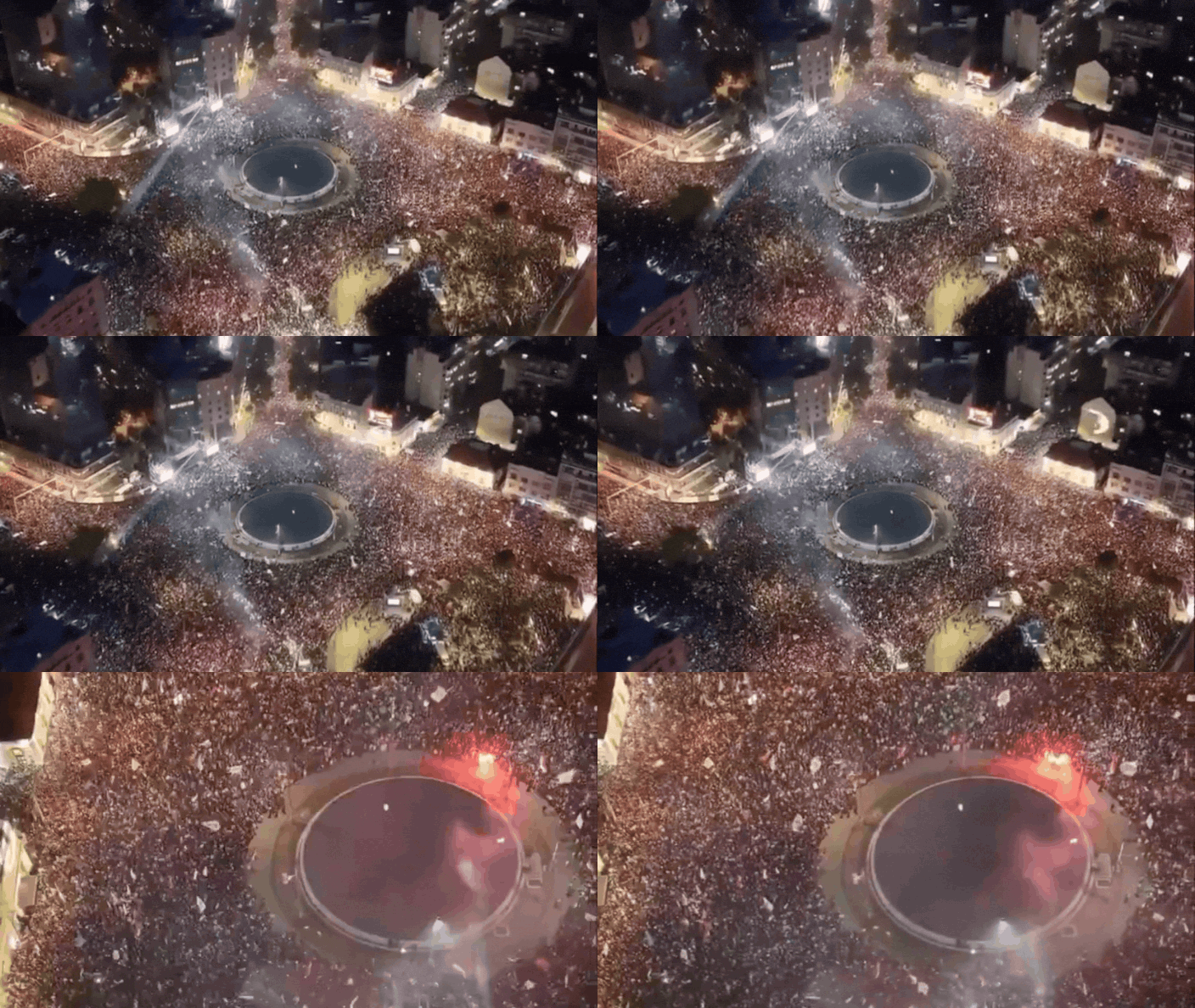
Student protests in Brazil and Serbia have influenced recent elections, according to political scientist Sudhir Kumar Suthar of Jawaharlal Nehru University. In Brazil, student and youth mobilisations helped President Luiz Inácio Lula da Silva recover from a first‑round deficit and defeat Flávio Bolsonaro in the runoff. In Serbia, a student‑led movement that began after a concrete canopy collapsed at a railway station in Novi Sad in November 2024, killing 16 people, evolved into an electoral challenge to the ruling establishment.
In Serbia, the tragedy sparked demands for accountability, transparency and the release of documents related to the disaster. Protests grew to include broader concerns about corruption and public institutions. Students blocked university faculties, organised marches and attracted support beyond campuses. The movement’s decentralised structure relied on assemblies and collective decision‑making rather than a single leader. Its demands expanded to early elections and institutional reform. In the snap parliamentary election, the Student List, backed by the movement, received 52.71% of the votes counted and 140 seats in the 250‑member parliament, while the Vučić‑led United Serbia list received 39.17% and 104 seats. The results were preliminary, based on 8,187 of 8,392 polling stations.
In Brazil, the first round on 4 October saw Flávio Bolsonaro win 47.03% of valid votes to Lula’s 45.16%, setting up a runoff. Students and youth mobilised against the prospect of a Bolsonaro presidency, citing concerns about cuts to public services, minority rights and environmental protection. Julia Andrade Maia, leader of the Juntos! movement and a student at the Federal University of Paraná, said the protests were driven by the experience of Bolsonaro’s 2018‑2022 government and the fear of a repeat. The demonstrations grew from an early 2,000‑person rally in Niterói to larger protests across universities, with political parties and other social movements joining. Social media amplified the movement, with organisers using Instagram and other platforms to share content.
Lula won the runoff with 51.79% of valid votes (64.26 million ballots) to Bolsonaro’s 48.21% (59.83 million ballots). The mobilisation also highlighted issues such as environmental protection, Indigenous rights and natural resource management, though these were not the sole drivers of the protests.
Suthar notes that both movements illustrate a crisis of confidence in established political actors and raise questions about whether dissent can sustain influence after elections. He cautions that electoral victories do not automatically translate into institutional change and that movements must demonstrate governance capabilities to fulfil their promises.
The outcomes in Brazil and Serbia demonstrate how student protests can reshape political contests, but the long‑term impact will depend on whether the movements can convert electoral strength into accountable governance and lasting reforms.