Science
Hope Diamond Sent to Smithsonian in Plain Brown Parcel in 1958
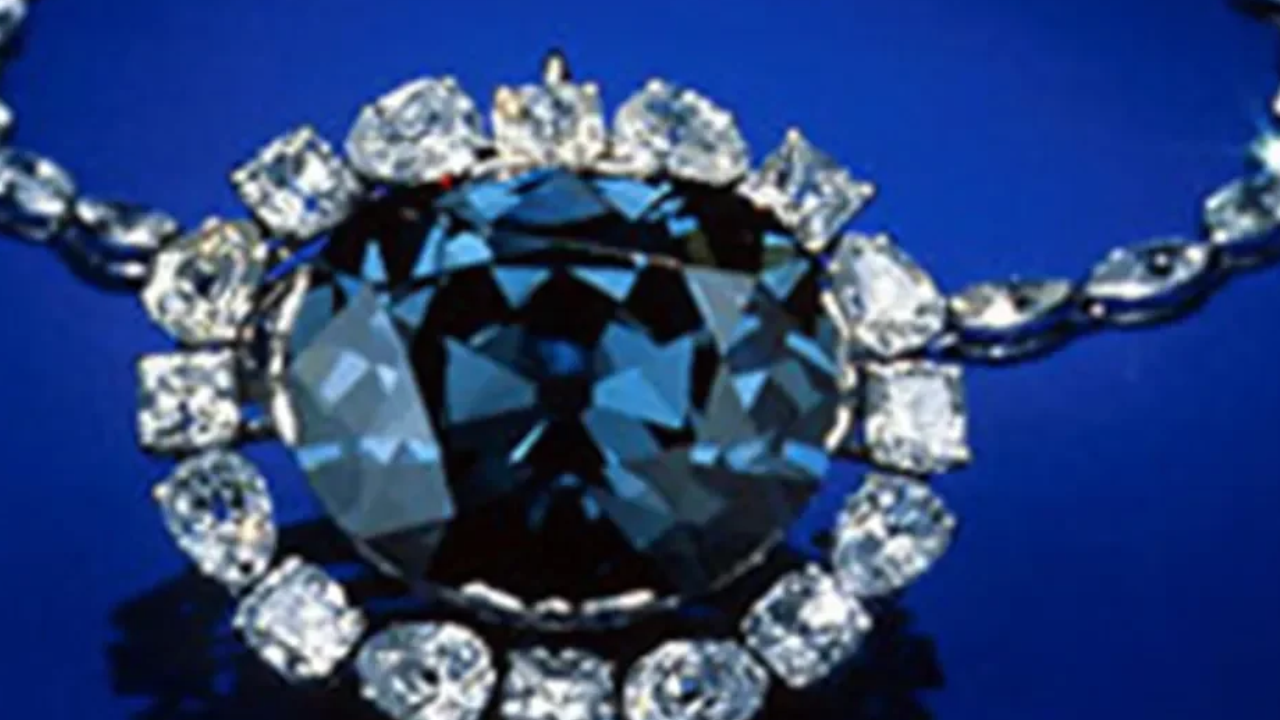
In 1958, American jeweller Harry Winston sent the 45.52‑carat Hope Diamond from New York to Washington, D.C. by registered U.S. mail. The shipment, which cost $145.29, included insurance for the diamond’s estimated $1 million value. The package was wrapped in ordinary brown paper, offering no hint of the precious stone inside.
The diamond’s documented history begins in India, where it was found before 1668. It entered the French royal collection after being purchased by King Louis XIV and was then known as the French Blue, weighing about 112 carats. During the French Revolution it disappeared with other royal treasures, resurfacing in London in the early 19th century after being recut into a smaller stone. By 1830 it belonged to British banker and gem collector Henry Philip Hope, after whom the stone was later named. The Hope Diamond passed through several owners before being bought by American socialite Evalyn Walsh McLean in 1912. Her ownership helped turn the gem into a public fascination, though claims of misfortune and a curse have never been proven.
Harry Winston acquired the diamond from McLean’s estate in 1949 and, nearly a decade later, donated it to the Smithsonian, hoping to help establish a national collection of precious gemstones.
The Hope Diamond is notable for its size, colour and physical properties. Weighing 45.52 carats, it is the largest known fancy deep‑blue diamond. Its colour comes from trace boron, and it belongs to the rare Type IIb category of diamonds, which have semiconductor properties. When exposed to short‑wave ultraviolet light, the stone emits a vivid red glow that can persist for several seconds after the light is removed, a phenomenon known as phosphorescence.
The gem is set in a design by French jeweller Pierre Cartier, surrounded by 16 white diamonds in alternating pear‑shaped and cushion‑cut styles, with a necklace chain that incorporates another 45 diamonds.
After arriving at the Smithsonian, the Hope Diamond was placed in the National Gem Collection and became a prominent attraction at the National Museum of Natural History in Washington, D.C. The National Postal Museum preserves the original brown‑paper mailing wrapper, providing a rare glimpse into how an object of extraordinary value was handled by everyday postal service. Today the Hope Diamond remains on display at the National Museum of Natural History, where visitors can see both its remarkable craftsmanship and its centuries of history.
Frequently asked questions
Who sent the Hope Diamond to the Smithsonian?
American jeweller Harry Winston sent the Hope Diamond to the Smithsonian.
How was the Hope Diamond packaged for its 1958 shipment?
The diamond was wrapped in ordinary brown paper, offering no hint of the precious stone inside.
What happens to the Hope Diamond when exposed to short‑wave ultraviolet light?
It emits a vivid red glow that can persist for several seconds after the light is removed, a phenomenon known as phosphorescence.