Politics
Israel’s Election Highlights Internal Divides Over Security and Judicial Reform
Israel’s recent parliamentary election, held on October 27, saw a turnout among the highest in decades, yet no party secured the 61 seats needed for a majority. Prime Minister Benjamin Netanyahu’s coalition, led by the Likud party, won 53 seats, five more than the main opposition bloc. The Arab parties gained a record 19 seats but remain outside coalition talks.
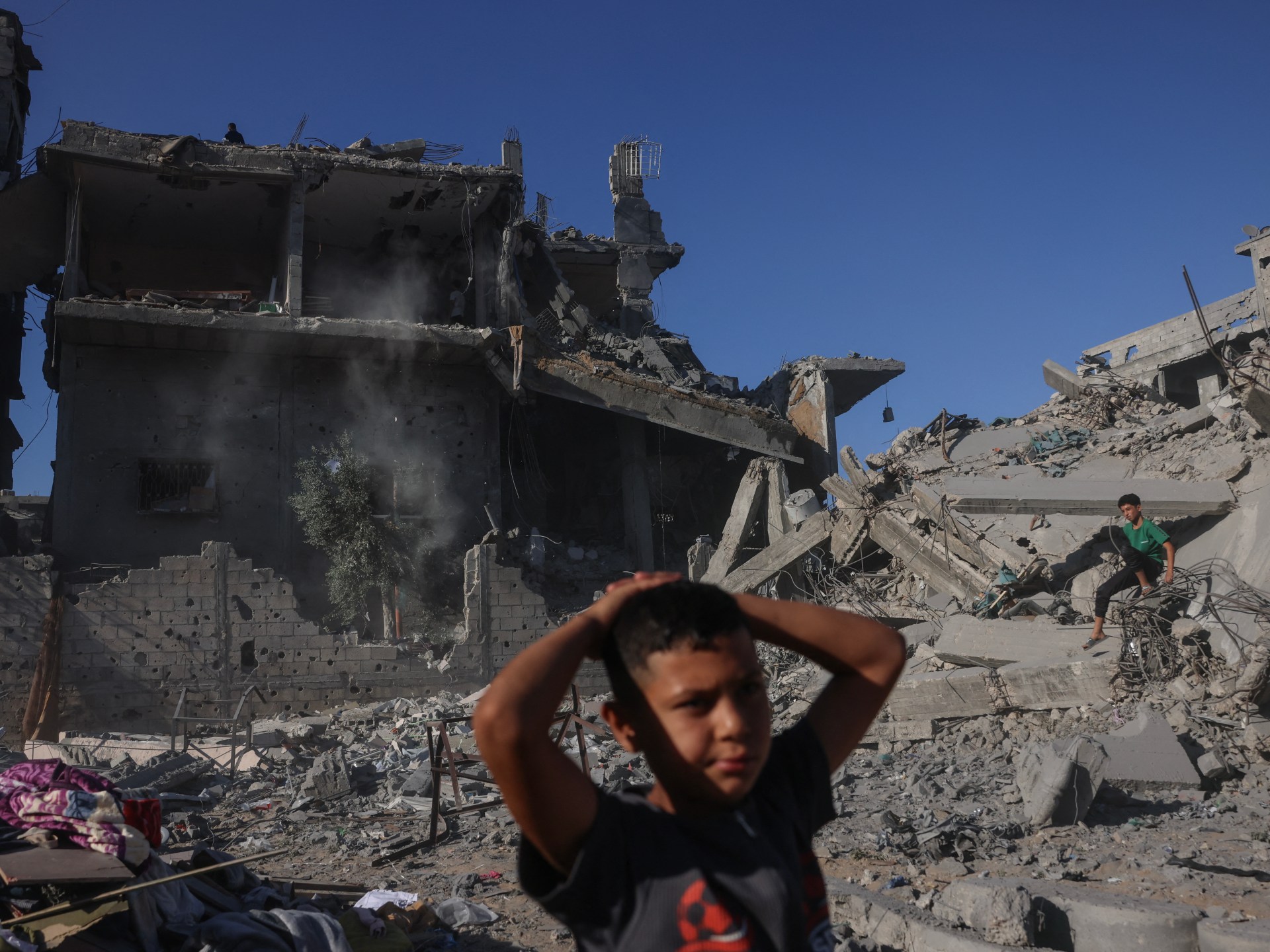
The results reflect a focus on domestic issues rather than the ongoing conflict with Gaza. Analysts note that Gaza and the West Bank were not decisive factors for voters, as both sides largely agreed on these matters. Instead, the campaign centered on the power of Israel’s courts, the exemption of ultra‑Orthodox men from military service, and the government’s alleged failure to heed warnings before the Hamas‑led attacks on October 7, 2023.
Yehouda Shenhav‑Shahrabani, an Israeli sociologist, explained that many voters are aware of Gaza’s devastation but do not fully grasp its moral implications. He described a “mechanism of denial” that separates knowledge of facts from recognition of their meaning.
Security concerns also dominated the electorate’s priorities. Ahron Bregman, a senior fellow at King’s College London, described Netanyahu’s base as a “tribe” that views the prime minister as infallible. Roi Zur, a political‑behaviour expert at Essex University, said voters believed a coalition led by Netanyahu would be stronger on security. Zur added that Netanyahu’s campaign has built a narrative of fear, positioning him as the only leader capable of navigating the post‑October 7 war.
Shenhav‑Shahrabani argues that war and occupation are not choices to be made on a ballot but lenses through which Israelis interpret security, citizenship, and democracy. He cautions that replacing Netanyahu would not resolve the deeper issues shaping the country’s political landscape.
Frequently asked questions
When was Israel's recent parliamentary election held?
The election was held on October 27.
How many seats did Netanyahu's coalition win?
Netanyahu's coalition, led by the Likud party, won 53 seats.