Politics
Senate Passes Energy Infrastructure Bill Amid Environmental Opposition
By AP
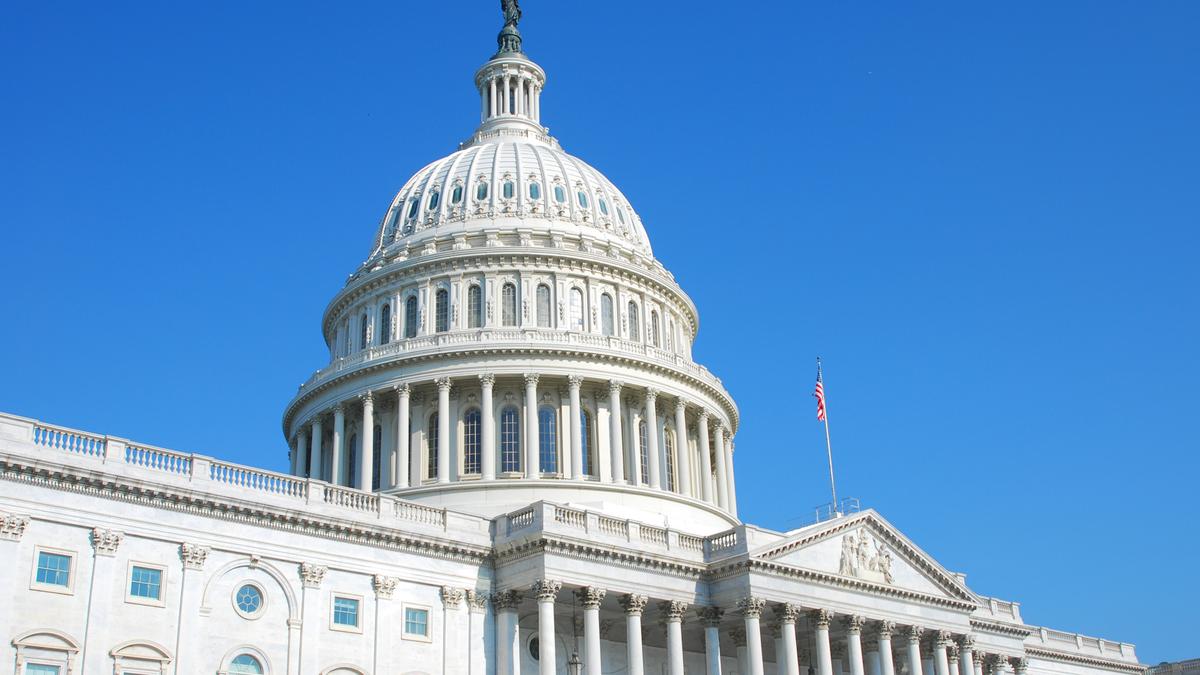
The U.S. Senate approved a bipartisan bill on Thursday, November 19, 2026, that aims to accelerate permitting for power plants, transmission lines and other energy projects. The legislation, known as the Bipartisan American Affordability and Jobs Act of 2026, seeks to shorten the timeline for large energy projects and requires data centers to pay for the electricity they consume. The 62‑33 vote marks the first major congressional action since the midterm elections that rejected President Donald Trump and congressional Republicans. The bill will now move to the House, which last year passed a more limited, industry‑friendly version.
The Senate measure would overhaul several environmental laws, including the National Environmental Policy Act, Clean Water Act and Endangered Species Act, to make it easier to build energy infrastructure. Democrats and environmental groups criticize the bill for limiting judicial review and weakening safeguards. The bill also includes provisions that would prevent the Trump administration from canceling clean‑energy grants for political reasons.
Fifteen Democrats, including Senate Minority Leader Chuck Schumer, voted for the bill. Two Republicans—Josh Hawley of Missouri and Mike Rounds of South Dakota—voted against it. Industry groups representing clean‑energy developers and the oil and gas sector support the bill as a way to deliver more electricity to the grid and avoid delays that can stretch a decade or more.
Environmental organizations, such as the Sierra Club and National Wildlife Federation, oppose the measure, citing concerns about the limits on judicial review and changes to NEPA. The bill’s sponsors, two Democrats and two Republicans, released amendments to bolster support for the legislation. Senators Shelley Moore Capito of West Virginia, Mike Lee of Utah, Martin Heinrich of New Mexico and Sheldon Whitehouse of Rhode Island are among the four main champions.
Oregon’s Democratic senators Jeff Merkley and Ron Wyden pushed for amendments, including one to ban data centers on public lands. Merkley said the bill would “lock in fossil fuel development” and weaken environmental safeguards. Majority Republicans blocked his effort to ensure votes on a host of amendments.
Wyoming Senator John Barrasso said the current review process often takes five years or more and that shortening that time frame is a key goal of the bill. He argued that energy projects that could lower prices remain frozen for years while awaiting federal approval.
Democratic Senator Maria Cantwell of Washington State said the bill has been rushed and its impacts are not fully considered. She met on November 17, 2026, with tribal, outdoor recreation and conservation leaders and said the bill would undermine tribal nations and weaken protections for the nation’s bodies of water, land and wildlife.
Oneida Nation vice chairman Jameson Wilson said the bill threatens the tribe’s ability to protect sacred spaces, ancestors, traditional ceremonies and culture. Former Energy Secretary Jennifer Granholm said she understands those concerns but believes recent changes by bill sponsors strengthen protections for tribal consultation and restore important state authority over water quality.
California Democrat Senator Alex Padilla, who authored many provisions in the bill, voted no because the bill contains provisions he said would “irreparably harm California and the 109 federally recognized tribes who call California home.” He said he cannot sacrifice the rights of tribal governments or California’s environment.
Frequently asked questions
What is the Bipartisan American Affordability and Jobs Act of 2026?
It is a bipartisan Senate bill that accelerates permitting for power plants, transmission lines, and other energy projects, and requires data centers to pay for the electricity they consume.
How did the Senate vote on the bill?
The bill passed with a 62‑33 vote.
Why are environmental groups opposed to the bill?
They oppose it because it limits judicial review, weakens safeguards, and changes NEPA, according to the Sierra Club and National Wildlife Federation.