Science
Oklahoma Student Tests 24 Wild Plants, Finds Over Half Show Antibacterial Activity but None Match Commercial Antibiotics
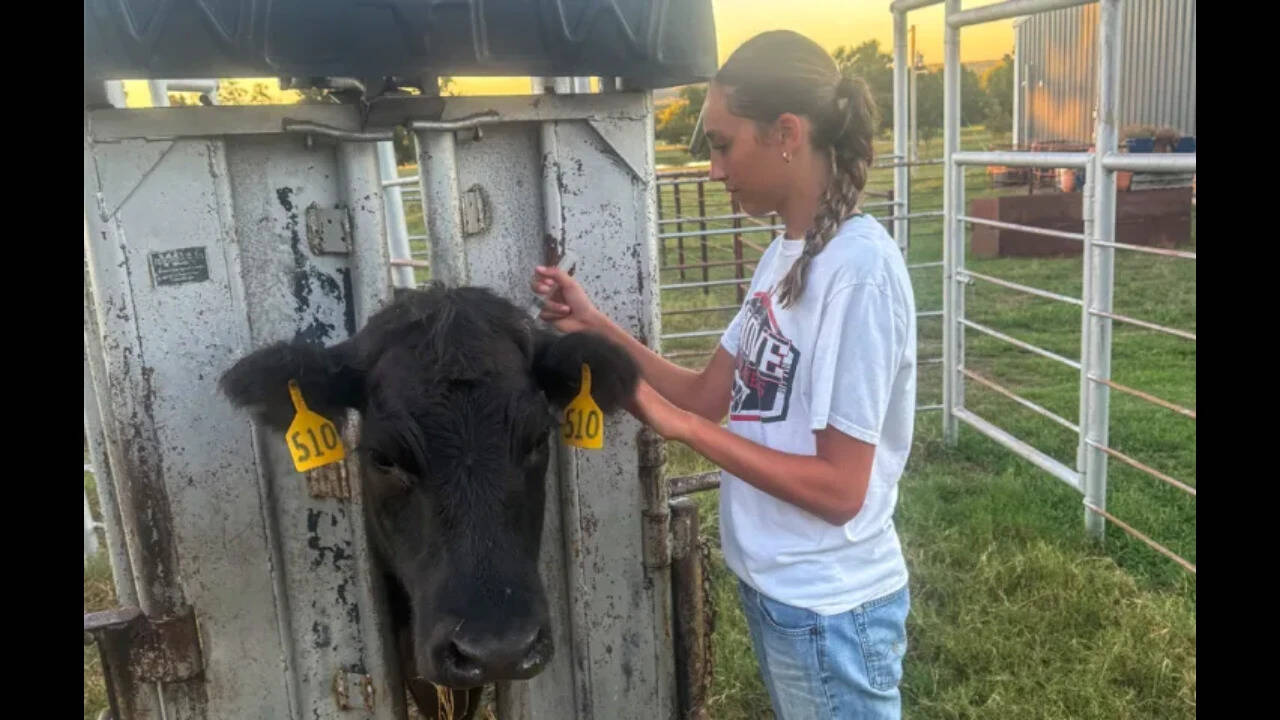
Locklyn Raye Ward, an eighth‑grader from Oklahoma, conducted a study titled “A Study of Open Field Plants, Native and Non‑Native, and Their Antimicrobial Properties Against Escherichia coli and Staphylococcus epidermidis.” The project was reported by the Society for Science, the nonprofit behind Science News and several student science competitions.
Ward’s interest began when she and her father were feeding cows on their family farm and passed a plant she thought was a weed. Her father identified it as pokeweed, a plant he said had many health benefits. Concerned about the overuse of antibiotics, Ward wondered whether other wild plants on the farm might possess antibacterial properties and how they would compare with medical antibiotics.
She selected 24 plants, 12 of which were native to Oklahoma. Each plant was weighed, cut into one‑gram pieces, and boiled in distilled water to extract any chemicals. She then grew Escherichia coli and Staphylococcus epidermidis on agar plates. Paper discs were soaked in the plant extracts and placed on the plates; if an extract contained antibacterial compounds, the bacteria around the disc would die.
For comparison, Ward also tested discs covered in commercial antibiotics. After 24 hours of incubation, she measured the zones of bacterial inhibition. Fifty‑six percent of the plant extracts showed some antibacterial activity, including seven of the native plants. However, none of the extracts were as effective as the commercial antibiotics.
Ward’s results answered two questions she posed: whether the wild plants on her farm had antibiotic properties, and how those properties compared to medical antibiotics. More than half of the plants tested exhibited activity, and seven native species were among them, but commercial antibiotics consistently performed better.
Beyond her scientific work, Ward is active in her church, attends church and basketball camps in the summer, and volunteers with elementary school kids. She also helps on her family’s farm, the same place where her project began.
The study demonstrates that while some wild plants on her family’s farm possess antibacterial activity, none matched the potency of commercial antibiotics, providing a clear answer to a question that concerns many students worried about antibiotic overuse.
Frequently asked questions
How many plants did Locklyn Ward test in her study?
She tested 24 plants.
What percentage of the plant extracts showed antibacterial activity?
56% of the plant extracts showed antibacterial activity.
Did any of the plant extracts match the effectiveness of commercial antibiotics?
None of the extracts were as effective as commercial antibiotics.