World
India’s Diplomatic Stance Shifts as Trump Faces Midterm Challenges
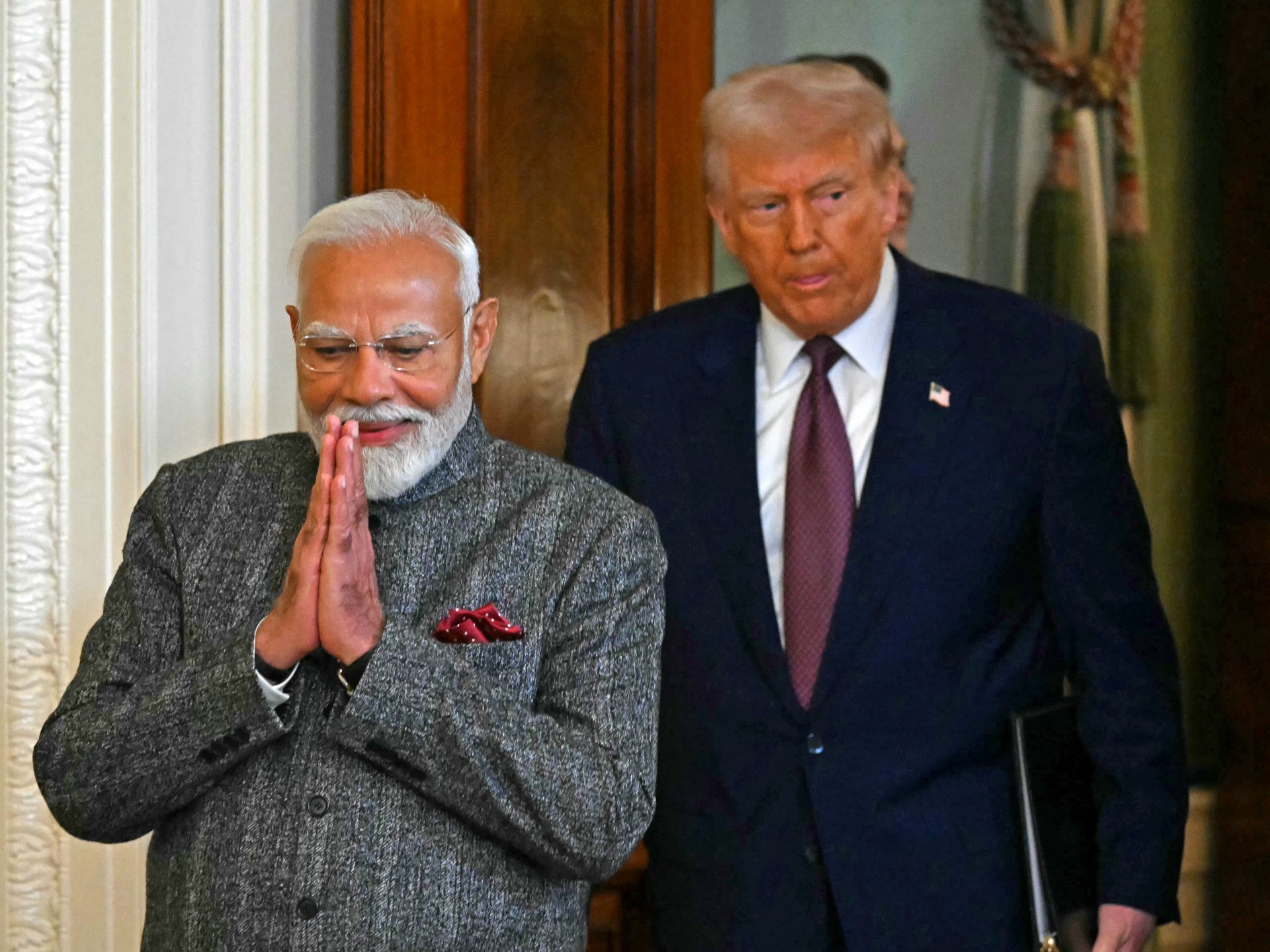
In 2019, Indian Prime Minister Narendra Modi praised U.S. President Donald Trump at a Houston rally, urging the Indian‑American community to support the Republican candidate. Modi’s endorsement came as Trump sought re‑election, and Modi even used a slogan from his own campaigns, “Abki baar, Trump sarkaar!” (This time, a Trump government). Trump lost the 2020 election.
Seven years later, as Trump prepares for the 2024 midterm elections, New Delhi’s relationship with Washington has changed dramatically. Indian officials have openly criticized the Trump administration over a series of bilateral issues. Foreign Minister S. Jaishankar, speaking in New York, described the U.S. as an insensitive partner on terrorism, warm to Pakistan, and pursuing self‑centred trade policies that hurt the Global South.
Trade has been a major sticking point. India’s finance minister, Nirmala Sitharaman, said negotiations over a trade deal had reached a plateau beyond which “giving or taking might be very difficult.” Trump’s tariff regime has hit India hard, and the U.S. has threatened up to 100 % tariffs on countries buying Russian oil, a measure paused to avoid harming the India‑U.S. relationship.
The Trump administration has also targeted Indians and Indian Americans. The president’s rhetoric has included accusations that Indians “steal” U.S. jobs through H‑1B visas, and anti‑Indian sentiment on social media has risen. In early 2025, Trump sent many undocumented Indian immigrants back home shackled, provoking outrage in India.
Analysts say the Modi government can tolerate policy differences but has been hurt by attacks on India and its diaspora. Despite criticism, New Delhi has shown restraint in its responses.
The U.S. Supreme Court’s February strike‑down of Trump’s tariffs led to a new 10 % global tariff. Trump signed a law allowing up to 100 % tariffs on countries buying Russian oil, but paused it ahead of the midterms. Secretary of State Marco Rubio, visiting Mumbai, said the tariffs were not meant to punish India and that Trump understood the impact on the relationship.
The upcoming midterms are crucial for Trump. A loss of congressional control could give Democrats more scrutiny of his policies. Some analysts believe a “chastened” Trump would benefit India’s interests, as a Democrat‑led Congress might moderate U.S. foreign policy. Others, like Michael Kugelman, doubt that election results would change Trump’s stance toward India.
New Delhi now hopes that relations will improve after Trump leaves office, but a weakened Trump may not bring relief if broader Republican consensus still pressures India. The diplomatic landscape has shifted from the friendly ties of the past to a more critical stance, reflecting the changing dynamics between the two countries.
Frequently asked questions
What did Indian Prime Minister Narendra Modi say about Donald Trump in 2019?
He praised Trump at a Houston rally, urging Indian-Americans to support the Republican candidate and used the slogan "Abki baar, Trump sarkaar!"
How has India's trade relationship with the US changed under Trump?
India’s finance minister said trade negotiations plateaued, and Trump’s tariff regime hit India hard, with the US threatening up to 100% tariffs on countries buying Russian oil, a measure paused to avoid harming the India‑US relationship.
What actions did the Trump administration take that affected Indians and Indian Americans?
The president accused Indians of stealing US jobs via H‑1B visas, anti‑Indian sentiment rose on social media, and in early 2025 many undocumented Indian immigrants were sent back home shackled, provoking outrage in India.