World
World Bank Warns Lebanon Reconstruction Progress Is Sluggish
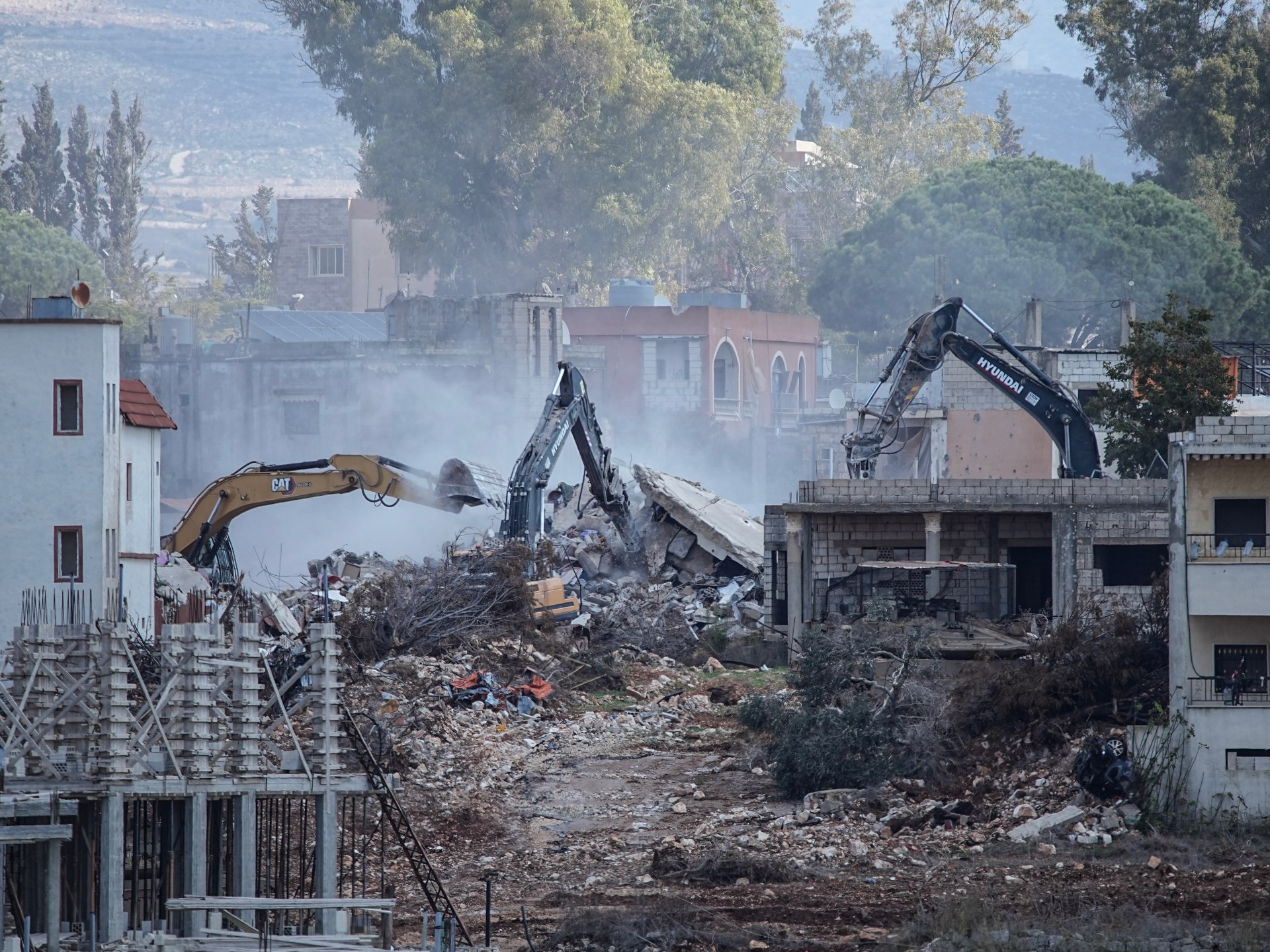
A senior World Bank official said Lebanon has been slow to use international aid to rebuild areas destroyed during the 2024 war and the renewed fighting since March 2026. Anna Bjerde, the World Bank’s managing director of operations, said she had to be “honest” about the pace of reconstruction during a visit to southern Lebanon on Tuesday. The World Bank approved $250 million in June 2025 to help Lebanon clear rubble and repair “damaged critical public infrastructure” after the 2024 Israel‑Hezbollah war. A September progress report showed that only $4.2 million had been paid out, far short of the projected $100 million by July 2026. The World Bank estimated that rebuilding after the 2024 war would cost about $11 billion.
Prime Minister Nawaf Salam’s office responded in a statement that the “parliament ratification of the said loan experienced considerable delays,” adding that the “worsening security situation” as a result of Israel’s continuing occupation of southern Lebanon “delayed the timely launch of project activities.” Israel has continued to occupy and attack parts of southern Lebanon up to the Litani River since March, claiming to destroy Hezbollah infrastructure while demolishing civilian homes. On Wednesday, Israel fired artillery shells toward the towns of Baraachit and Beit Yahoun in the Bint Jbeil district, according to Lebanon’s National News Agency (NNA). The towns of Rashaf and Sarbine, extending to Wadi al‑Hujair, were also targeted, and Israeli earth movers demolished residential homes in the town of Zawtar ash‑Sharqiyah and Haddatha.
The United Nations estimates that at least 304,500 Lebanese remain internally displaced in the country, down from 1.2 million. Up to 4,500 have been killed in Israeli attacks. Last month, Hezbollah announced it would pay up to $14,000 to families whose homes were destroyed or made uninhabitable by Israel, as the group accused the government of failing to carry out its duties to help the displaced. Israel has refused to withdraw from southern Lebanon, citing security concerns connected to the delayed disarmament of Hezbollah and other groups, which the United States and the Lebanese government have insisted on as part of the trilateral ceasefire framework launched in April. “Israel will not withdraw from the current lines of these security zones, nor will it redeploy its forces,” Israeli Defence Minister Israel Katz said in a statement on Wednesday, adding that if tensions escalated on the various fronts, “we are fully prepared to seize additional territory.”
Bjerde said that “institutions in Lebanon are very thinly stretched” and the security situation required “very careful planning around where you can start and where you don’t start” to remove rubble and repair infrastructure. The World Bank projected Lebanon’s economy to shrink by 6.4 percent this year, in its Summer 2026 Lebanon Economic Monitor report, titled A Conflict‑Torn Economy. “The rebound was sharply interrupted by the March 2026 escalation in conflict, which further damaged housing and infrastructure, displaced communities, disrupted supply chains and weighed heavily on tourism and domestic demand,” the report said. According to a joint report released by the UN Food and Agriculture Organization, the World Food Programme, and Lebanon’s Ministry of Agriculture, more than one million people in Lebanon – about 21 percent of the recorded population – are facing crisis levels of hunger. Despite this, Lebanon’s western‑backed government insists it is doing all it can, given the circumstances, such as the distribution of approximately $100 million in housing loans granted to 1,500 families, according to NNA. Bjerde said the World Bank needs to be “insistent” and “very close to monitoring on a daily basis” to make sure the work gets done “because you cannot let the people down”, adding that the World Bank wants to see the reconstruction work go more quickly.
Frequently asked questions
How much World Bank aid has Lebanon received and spent on reconstruction after the 2024 war?
The World Bank approved $250 million in June 2025, but only $4.2 million had been paid out as of the September progress report.
What is the estimated total cost for rebuilding Lebanon after the 2024 war?
The World Bank estimated that rebuilding would cost about $11 billion.
What delays have affected the reconstruction projects in Lebanon?
Prime Minister Nawaf Salam’s office cited delays in parliament ratification of the loan and worsening security from Israel’s occupation of southern Lebanon.