World
China’s Elderly Outnumber Children for First Time, Official Data Shows
By Today News Hours Editorial Desk
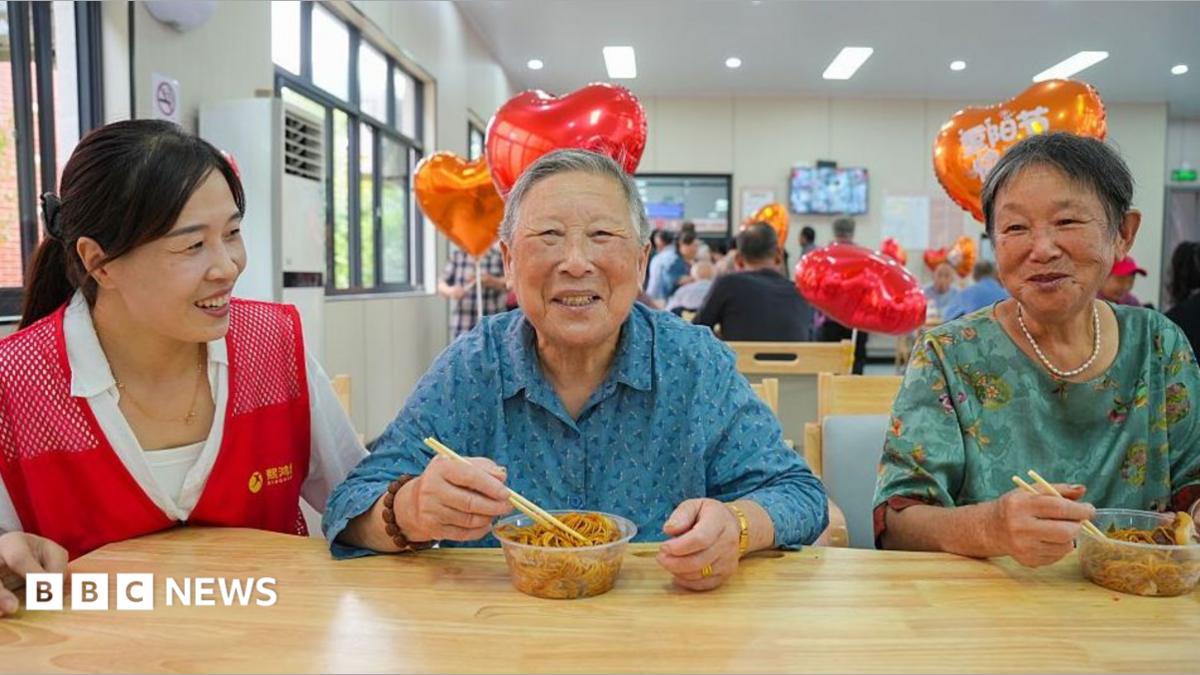
China’s government has released data indicating that, for the first time, the number of elderly dependents now exceeds the number of children. According to figures from the National Bureau of Statistics, the ratio of people aged 65 and older to the working‑age population rose to 23% last year, surpassing the 22% ratio for children aged 14 and under. The statistics show that more than 223 million Chinese are 65 or older, about 16% of the total population, while there are roughly 213 million children. The shift is seen as a milestone in China’s demographic transition, with implications for families, pensions, and healthcare spending. State‑controlled outlet Global Times noted that the country’s entry into a moderately ageing society results from past birth cohorts and longer life expectancy, and that the change could strain pension, healthcare and long‑term care systems while creating opportunities in the silver economy. Professor Stuart Gietel‑Basten of the Hong Kong University of Science and Technology said the shift is symbolic and may lead to a reallocation of public spending from families and schools to pensions and healthcare. National University of Singapore lecturer Mu Zheng warned that the ageing population could limit economic growth and consumer spending. The demographic trend is driven by rapid urbanisation, the legacy of the one‑child policy (in effect from 1980 to 2015), and other factors such as changing gender roles, rising living costs and higher education levels. The policy is estimated to have prevented about 400 million births, though the figure is contested. Beijing has struggled to encourage higher fertility rates despite easing family‑size restrictions, and birth rates remain at historic lows. The government has incorporated support for older people into its five‑year economic blueprint, and by the end of 2025 more than 53 million elderly were receiving senior‑citizen allowances and subsidies. Global Times added that many seniors born between the 1950s and 1970s have higher incomes, stronger purchasing power and better health than earlier generations. While the dependency ratio is a common measure of ageing populations, some experts, including Gietel‑Basten, argue it may misrepresent older people as mere dependants and overlook healthcare improvements.
Frequently asked questions
What is the ratio of elderly (65+) to the working‑age population in China?
The ratio rose to 23% last year.
How many children aged 14 and under are there in China?
There are roughly 213 million children.