India
India’s Civil Aviation Ministry Sets Out Fog‑Season Plans for 2027
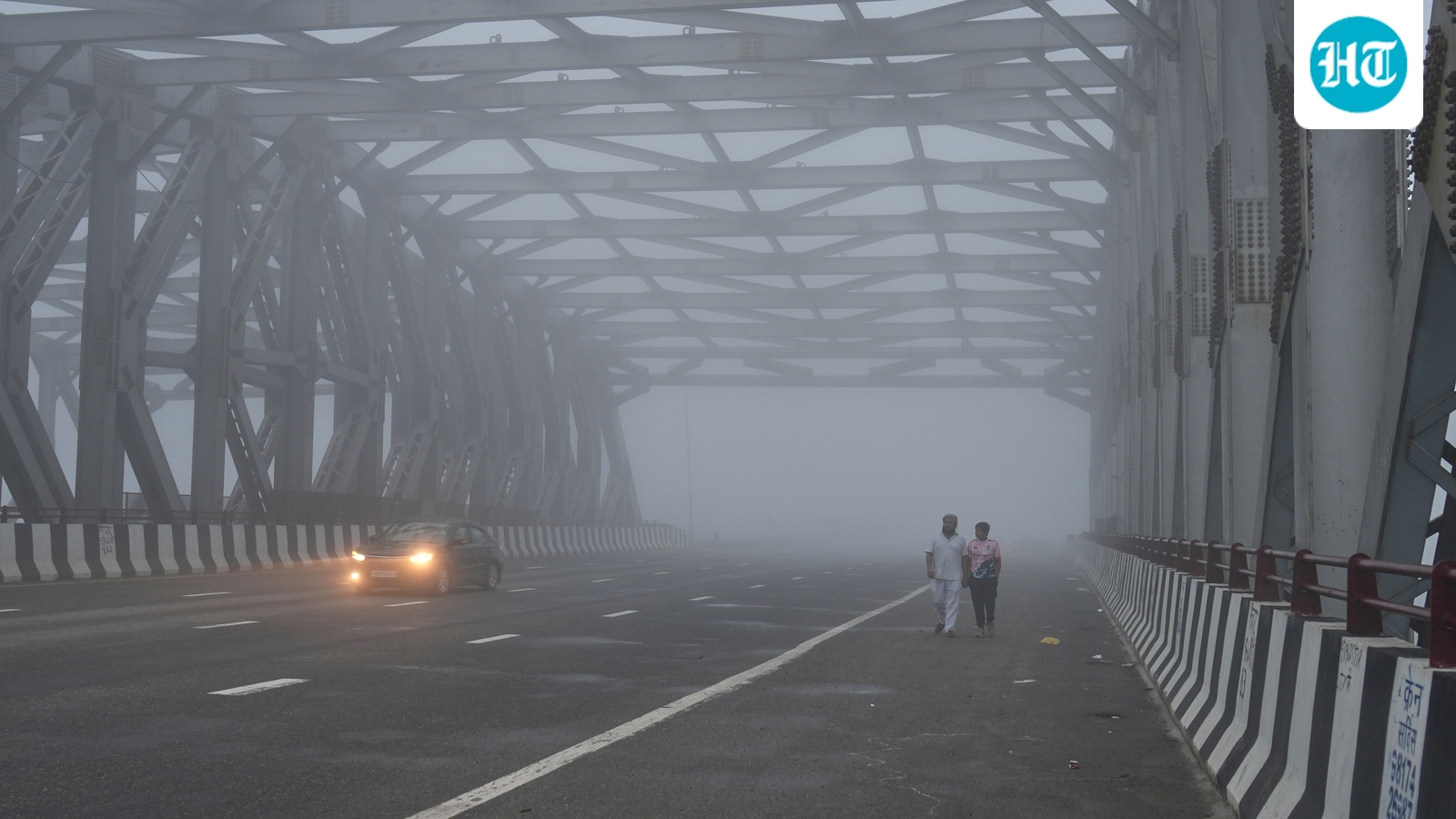
The civil aviation ministry convened its first Fog Preparedness meeting for the upcoming winter season to review readiness and coordination among stakeholders. The meeting, chaired by Civil Aviation Secretary Samir Kumar Sinha, was attended by DGCA Director General Vir Vikram Yadav, Airports Authority of India Chairman Puneet Kansal, senior officials from the Bureau of Civil Aviation Security, Central Industrial Security Force, and the India Meteorological Department (IMD). Representatives from Delhi airport, other fog‑affected airports, and airlines also participated.
IMD officials confirmed that the fog season will run from December 15 this year to February 15, 2027. The government release emphasized ensuring smooth airport operations and minimizing passenger inconvenience during fog‑related disruptions. It highlighted the need for advance preparedness, timely communication, effective coordination among stakeholders, and appropriate assistance to passengers in the event of flight delays, cancellations, and rescheduling.
The DGCA was directed to maintain regulatory oversight, ensure compliance with applicable instructions, verify aircraft and crew readiness, and implement effective passenger facilitation measures by airlines. The AAI and airport operators were instructed to guarantee the readiness of Instrument Landing Systems (ILS) and Runway Visual Range (RVR) systems, maintain airside safety, provide adequate terminal capacity, and coordinate operations during low‑visibility conditions.
Airlines were told to ensure the availability of qualified crew and compliant aircraft for low‑visibility operations, plan realistic flight schedules, and make timely decisions regarding flight operations. Passengers were to receive timely updates via SMS, mobile applications, and email about delays, cancellations, and revised departure times to avoid arriving at the airport without adequate information.
The IMD was tasked with delivering reliable weather forecasts, regular observations, and timely dissemination of weather updates to aid operational planning. Air Traffic Control and air navigation service providers were instructed to ensure safe sequencing of air traffic, adherence to low‑visibility procedures, and coordinated traffic management during fog conditions. The roles of BCAS and CISF in ensuring safe and orderly passenger movement, including terminal re‑entry and re‑boarding where required, were also discussed.
Airlines were directed to ensure that ground handlers maintain adequate staffing, manage baggage efficiently, and provide necessary assistance to passengers during operational disruptions. Particular emphasis was placed on passenger facilitation during prolonged delays and cancellations, with preparations to ensure adequate staffing at check‑in counters, airline helpdesks, and customer care facilities. The Secretary stressed that airlines must keep helpline desks at airports manned by informed and empowered personnel capable of addressing passenger queries.
The collective objective is to minimize passenger inconvenience through advance preparedness, timely information, clear operational decisions, and effective passenger assistance during the upcoming fog season.
Frequently asked questions
When does the 2027 fog season start and end?
The fog season will run from December 15 this year to February 15, 2027.
Who chaired the first Fog Preparedness meeting?
The meeting was chaired by Civil Aviation Secretary Samir Kumar Sinha.
What responsibilities have been assigned to airlines for the fog season?
Airlines must ensure qualified crew and compliant aircraft for low‑visibility operations, plan realistic flight schedules, make timely operational decisions, and provide passenger facilitation, including timely updates and adequate staffing at check‑in counters and helpdesks.